What is Heel Cushioning in Running Shoes? A 2026 Guide
Heel cushioning in running shoes is the material and design built into the heel of your shoe to absorb shock. Its primary job is to soften the impact when your heel strikes the ground. This helps protect your joints and makes your run feel more comfortable.
Think of it like a tiny shock absorber for your feet. Good heel cushioning can make a big difference in how your run feels, especially on hard surfaces. Many runners look for shoes with plenty of heel padding to reduce fatigue and potential pain.
- Heel cushioning absorbs impact.
- It protects your joints.
- Good cushioning improves comfort.
- It can reduce running fatigue.
Let’s dive into what makes heel cushioning work and what to look for when you’re shoe shopping.
Understanding Your Running Shoe’s Heel Cushioning
Heel cushioning is more than just soft padding. It’s a scientifically designed component of your running shoe. Its main purpose is to help soften the jolt your body feels. This happens with every step you take. Think of it as your shoe’s built-in shock absorber.
When your heel hits the ground, especially on hard surfaces like pavement, it creates an impact. This impact travels up your leg. It can affect your ankles, knees, and even your back. Good heel cushioning works to reduce the force of this impact. This can make your runs feel smoother and more comfortable.
How Heel Cushioning Works
The magic of heel cushioning lies in the materials and construction. Running shoes use various foams and gels. These materials are chosen for their ability to compress and then rebound. This compression absorbs the shock of your foot strike. The rebound helps propel you forward.
Common Cushioning Materials
You’ll find a few key materials in most running shoe heels. Understanding these can help you choose the right shoe for your needs.
- EVA (Ethylene Vinyl Acetate): This is a very common foam. It’s lightweight and offers good shock absorption. Many brands use different densities of EVA for varied feels.
- PU (Polyurethane): This foam is generally denser and more durable than EVA. It often provides a firmer feel but can last longer.
- Gels: Some shoes incorporate gel inserts. These are placed strategically to provide targeted cushioning. They can feel quite plush and responsive.
- Air Pockets: Certain brands embed pockets of air. These act like tiny balloons, compressing to absorb impact. They offer a unique, often responsive, feel.
The Role of Shoe Construction
It’s not just the material, but how it’s put together. The thickness of the cushioning matters. A thicker layer generally offers more shock absorption. The shape of the heel counter also plays a role. This is the part that wraps around your heel. It helps stabilize your foot. This stability works with the cushioning to control impact.
Why Good Heel Cushioning is Important for You
Your feet and legs work hard when you run. They deserve protection. Proper heel cushioning acts as a vital defense. It helps keep your runs enjoyable and reduces the risk of discomfort.
Protecting Your Joints
Every stride sends forces through your body. Research shows that running can create forces several times your body weight upon impact (National Running Center studies). Without adequate cushioning, these forces can take a toll. They can contribute to issues like shin splints, knee pain, and stress fractures. Good heel cushioning acts as a buffer. It helps dissipate these forces. This protects the cartilage in your joints. It also reduces stress on your bones and muscles. Many physical therapists recommend well-cushioned shoes for runners.
Enhancing Comfort and Reducing Fatigue
Let’s be honest, running can sometimes feel jarring. Especially on hard surfaces. The right amount of cushioning can make a huge difference. It creates a softer landing. This makes the entire running experience more pleasant. When your feet feel more comfortable, you tend to run with less tension. This can help you run longer and feel less tired. Think of it like walking on clouds versus concrete. Your feet will thank you.
Adapting to Different Running Surfaces
Do you run on roads? Trails? Treadmills? Each surface presents different challenges. Pavement is hard and unforgiving. Trails can be uneven. A treadmill offers a more forgiving surface. Shoes with good heel cushioning tend to perform well across various terrains. They provide a consistent level of comfort and protection. This is especially true for road runners. They face the constant impact of hard surfaces.
What to Look For in Heel Cushioning
When you’re shopping for new running shoes, you don’t want to guess. You want to know what you’re looking for. Here are some key factors to consider regarding heel cushioning.
Your Personal Preferences and Needs
What feels good to one runner might not feel right for another. Your body weight and running style play a role. Heavier runners often benefit from more substantial cushioning. Runners who tend to land heavily on their heels might also prefer more padding. Do you like a soft, plush feel? Or do you prefer something firmer and more responsive?
Consider your running history. Have you experienced impact-related injuries? If so, opting for shoes with ample heel cushioning is a wise choice. Many podiatrists suggest prioritizing cushioning for those prone to foot or leg pain.
Shoe Construction and Feel
Try the shoes on! Walk around in them. If possible, do a short jog. How does the heel feel when your foot strikes the ground? Does it feel too firm, almost jarring? Or is it so soft that you feel unstable?
The goal is a balance. You want cushioning that absorbs impact without making you feel disconnected from the ground. You should feel supported, not like you’re sinking into quicksand.
The Cushioning-to-Stability Balance
Sometimes, a lot of cushioning can affect stability. Very soft shoes might allow your foot to roll more. This could be an issue for some runners. Many modern shoes strike a good balance. They offer plenty of cushioning while still providing support. This is often achieved through clever design and material placement.
Key Features to Check
When evaluating the heel cushioning, keep these points in mind:
- Thickness: Look at the stack height of the heel. More thickness usually means more cushioning.
- Material: Does the shoe use EVA, PU, gels, or air? Does the brand describe the cushioning technology?
- Responsiveness: Does the cushioning feel too dead? Or does it have a bit of a spring?
- Landing Feel: How does it feel when your heel hits the ground? Is it harsh or soft?
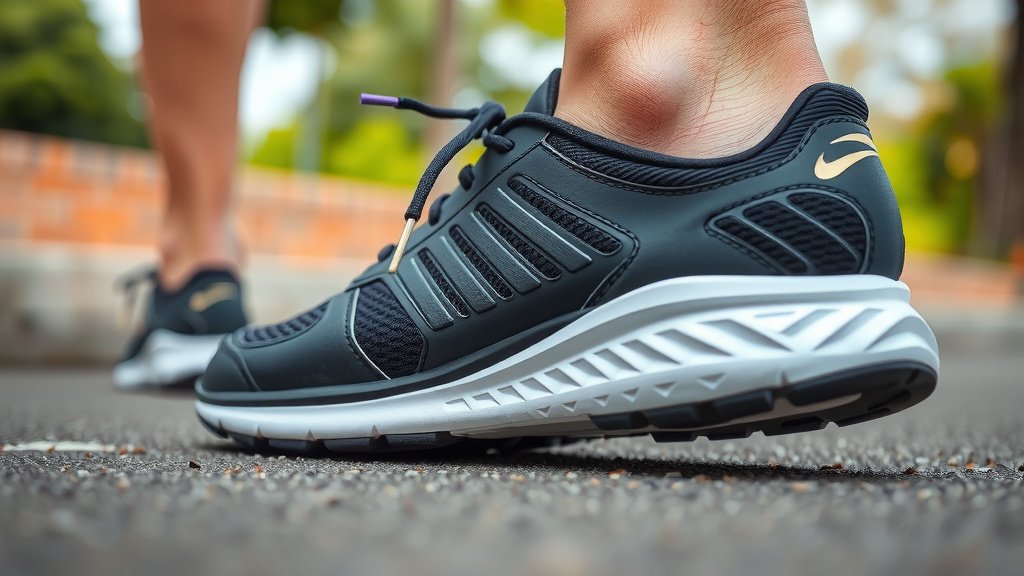
A Quick Checklist for Your Next Shoe Purchase
Here’s a simple way to think about heel cushioning as you shop:
- Does the heel feel soft but not mushy?
- Can you feel a noticeable shock absorption on impact?
- Does the cushioning feel consistent, not just in one spot?
- Is the heel stable, or does it feel like your foot is rolling inward excessively?
- Does the cushioning feel right for the type of running you do?
- Would you feel comfortable running several miles in these shoes?
Conclusion
Understanding heel cushioning is key to finding the right running shoes for you. It’s your shoe’s built-in shock absorber. This protects your joints and makes every run more comfortable. Whether you prefer EVA, PU, gels, or air pockets, the goal is a balance of softness and support. Your perfect cushioning will feel right for your body and your stride. Next time you shop, pay close attention to how the heel feels on impact. Your feet will thank you for making a thoughtful choice.
Frequently Asked Questions
Does heel cushioning wear out over time?
Yes, like any part of a running shoe, the cushioning material can degrade over time and with use. The foams can compress permanently, and gels or air pockets can lose their responsiveness. Most experts recommend replacing running shoes every 300-500 miles to ensure you still have adequate cushioning and support.
Can too much heel cushioning be a bad thing?
For some runners, excessive heel cushioning can lead to a feeling of instability or a lack of ground feel. If a shoe is too soft, it might allow your foot to roll more than you’d like, potentially affecting your stride. Finding the right balance is important, and it often depends on your individual biomechanics and running style.
Is heel cushioning important for speed running?
While speed runners often prefer lighter shoes with less cushioning for a more direct feel, heel cushioning still plays a role. It helps absorb impact during high-mileage training, reducing fatigue and protecting joints, which is essential for consistent performance. Some speed shoes incorporate responsive cushioning that aids in energy return.
Should I choose heel cushioning based on my weight?
Generally, yes. Heavier runners often benefit from shoes with more substantial heel cushioning because they experience greater impact forces with each stride. Lighter runners might find that less cushioning provides sufficient protection and a more agile feel.
How can I tell if a shoe has good heel cushioning without running in it?
When trying on shoes, press down on the heel with your thumb to feel the firmness of the foam. You can also flex the shoe to get a sense of its overall construction. Pay attention to how your heel feels when you walk or jog briefly in the store; it should feel like it’s absorbing impact without being overly soft or stiff.