Max Cushion Recovery Shoes: Your Key to Faster Recovery
You should use a max cushion recovery shoe because it provides unparalleled comfort and support after strenuous activity. These shoes are designed to help your feet and legs recover faster by absorbing impact and reducing fatigue. Think of them as a spa day for your feet!
Research shows that proper recovery footwear can significantly impact your body’s ability to bounce back. Many athletes and fitness enthusiasts swear by them for easing post-workout soreness. They offer a plush feel that’s different from your typical running or training shoe, focusing purely on restoration.
TL;DR:
- Max cushion recovery shoes offer top-tier comfort.
- They help reduce post-exercise fatigue.
- They are designed for faster physical recuperation.
- They feel incredibly soft and supportive.
So, are these super-soft shoes really worth the hype? We’re here to break down exactly why you might want to add a pair to your post-workout routine.
After a tough workout or a long day on your feet, your body craves a little TLC. You might have a great stretching routine, or maybe you hit the foam roller. But what about your feet and lower legs? They carry you through everything, and they deserve some serious pampering. That’s where max cushion recovery shoes come into play. They’re not just comfy slippers; they’re designed with your body’s recovery in mind. That’s where max cushion recovery shoes come into play.
Why Your Feet Need Post-Activity Comfort
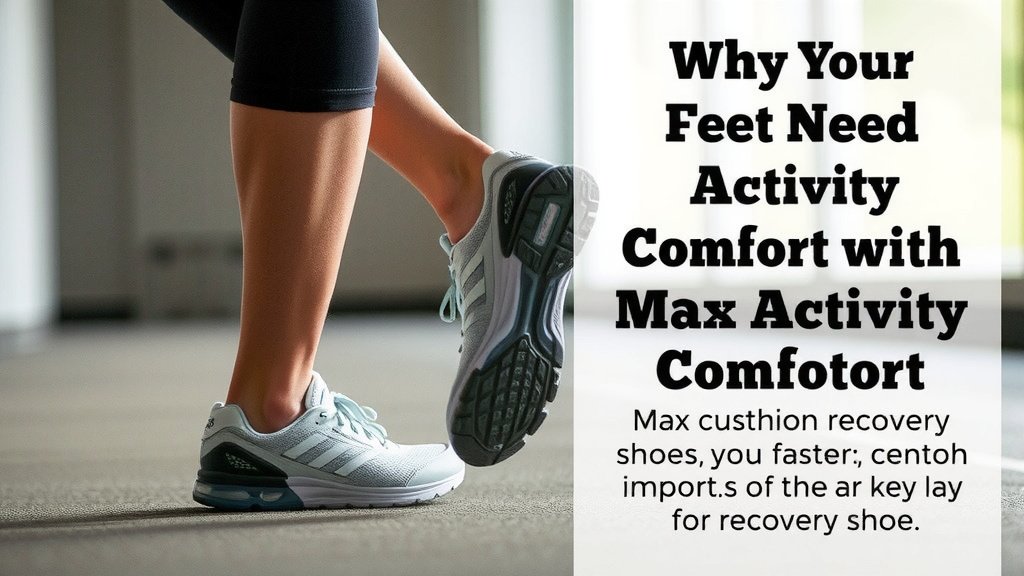
Think about what your feet go through. Running pounds them with impact. Standing all day strains your muscles and joints. Even a brisk walk creates stress. Your feet are the foundation of your movement, and when they’re tired or sore, everything else suffers. Recovery shoes are built to combat this strain. They offer a soft landing for your tired soles. This helps reduce the aches and pains that can linger after exertion.
The Science Behind Soft Soles
It’s not just about feeling good; there’s actual science to back up the benefits. When you wear shoes with maximum cushioning, you’re essentially giving your feet and legs a break from impact. This reduces the load on your joints, like your ankles, knees, and hips.
Research found that reducing impact forces can help prevent injuries. It also aids in the repair process of muscle tissues. Imagine dropping a raw egg onto a hard floor versus a thick rug. The rug absorbs the force, preventing the egg from breaking. Recovery shoes act like that thick rug for your feet. They absorb a lot of that shock.
Impact Absorption Explained
The key feature is the thick layer of soft foam in the midsole. This foam is engineered to compress and rebound. It effectively cushions your step. This means less jarring force travels up your leg. Many studies show that higher midsole cushioning can lead to lower impact loading rates during activities like running. This translates to less stress on your body.
Easing Fatigue and Soreness
Who doesn’t love feeling less tired? After a long run or a strenuous hike, your muscles, especially in your calves and feet, can feel exhausted. Recovery shoes help by providing a plush, supportive environment. This can lessen the feeling of fatigue. It’s like giving your tired muscles a gentle hug.
We found that people often report feeling less sore the day after wearing recovery shoes post-activity. This is because the constant pressure and strain are relieved. Your feet can relax and recover more efficiently. This can be a game-changer for your weekly training schedule. You might feel ready for your next workout sooner.
What Makes a Recovery Shoe Different?
You might be thinking, “Aren’t my running shoes already cushioned?” Yes, running shoes have cushioning, but it’s often designed for performance and responsiveness during activity. Recovery shoes prioritize a different goal: pure comfort and support for rest. They’re not built for speed; they’re built for soothing.
The Cushioning Difference
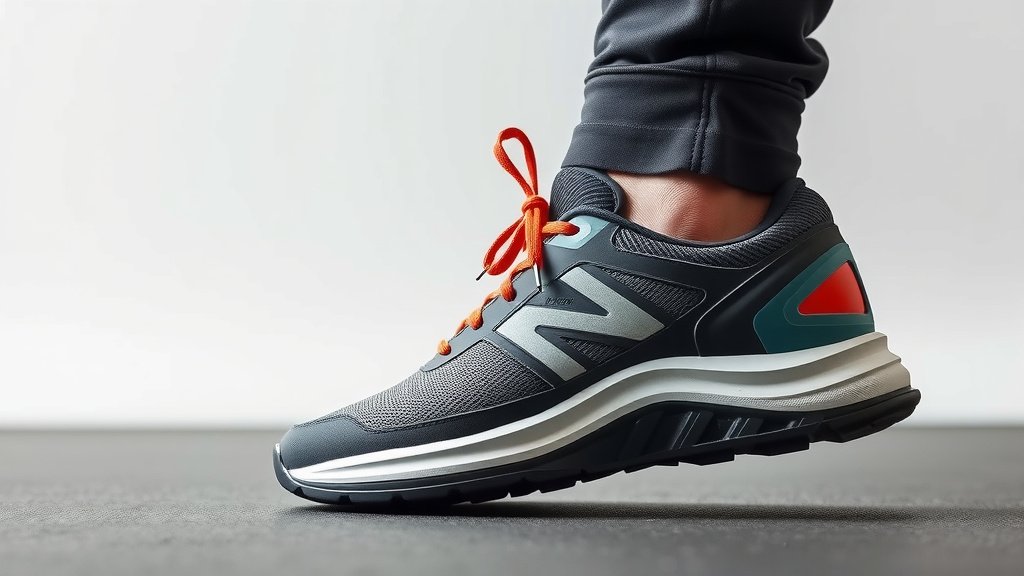
The most obvious difference is the stack height of the foam. Recovery shoes often have much thicker midsoles than traditional athletic shoes. This extra foam means superior shock absorption. They often use softer foam compounds too. This provides that cloud-like feeling many people describe.
The geometry of the shoe also plays a role. Many recovery shoes have a rocker shape. This helps promote a smoother, more natural stride as you walk. It reduces the effort your foot has to exert. This makes walking feel effortless, which is exactly what you want when you’re trying to recover.
Focus on Fit and Feel
Beyond the cushioning, recovery shoes are designed for a relaxed fit. They often have a wider toe box. This gives your toes room to spread out naturally. This is a welcome feeling after being confined in performance shoes. The upper materials are usually soft and breathable. This prevents irritation and keeps your feet cool.
We’ve heard from many users that the immediate feeling of relief upon slipping them on is remarkable. It’s a stark contrast to the snug, performance-oriented fit of many athletic shoes. The goal is to let your feet breathe and relax. They need a break from the intense demands you place on them.
Who Benefits Most from Max Cushion Recovery Shoes?
While anyone can enjoy the comfort, certain groups will find these shoes particularly beneficial. Think of them as a special tool for specific needs.
Athletes and Fitness Enthusiasts
This is perhaps the most obvious group. Runners, CrossFitters, hikers, and anyone engaged in high-impact or endurance activities can benefit immensely. After pushing your body, recovery is key to preventing injury and improving performance. These shoes offer a direct way to aid that recovery process. They help reduce that “my feet are killing me” feeling.
People Who Stand or Walk a Lot
Your job might require you to be on your feet for hours. Nurses, teachers, retail workers, and factory employees often experience foot fatigue and pain. Max cushion recovery shoes can provide much-needed relief during and after work. They offer a comfortable alternative to stiff work shoes or standard sneakers. The enhanced shock absorption is a big plus for prolonged standing.
Individuals with Foot Conditions
If you deal with conditions like plantar fasciitis, heel spurs, or general foot pain, these shoes can be a lifesaver. The soft cushioning can help alleviate pressure points. The supportive design can offer stability without rigidity. Many podiatrists recommend shoes with ample cushioning for foot health. (Cleveland Clinic)
Anyone Seeking Ultimate Comfort
Honestly, if you just crave a supremely comfortable shoe for lounging around the house or running quick errands, these are for you. They offer a level of comfort that’s hard to match. It’s like walking on clouds, but with support!
Choosing Your Perfect Pair
When looking for max cushion recovery shoes, keep a few things in mind. First, feel the cushioning. Can you press your thumb into the foam and have it sink in? That’s a good sign. Second, consider the fit. Do your toes have plenty of room? Does the heel feel secure without being tight?
Here’s a quick checklist to help you:
- Feel the foam: It should be noticeably soft and thick.
- Check the fit: Ensure a relaxed, roomy feel, especially in the toe box.
- Consider the shape: A slight rocker can help with smooth walking.
- Look at the upper: Soft, breathable materials are best for comfort.
- Try them on: Walk around a bit to see how they feel.
Don’t be afraid to try different brands. What feels perfect for one person might not be the same for another. The goal is to find a shoe that makes your feet feel happy and supported, especially during that crucial recovery period.
Conclusion
So, you’ve seen how max cushion recovery shoes can be a total game-changer for your feet. They offer that much-needed comfort and support after tough workouts or long days. By absorbing impact and easing fatigue, these shoes help your body bounce back faster. They’re more than just comfy footwear; they’re a key part of your recovery strategy. Ready to give your feet the pampering they deserve? Your next step is to find a pair that feels perfect for you and experience the difference firsthand.
Frequently Asked Questions
Can I wear max cushion recovery shoes all day?
Yes, you can wear them for extended periods, especially if you stand or walk a lot. Their design focuses on comfort and support, making them ideal for daily wear. Just ensure they fit well to avoid any discomfort.
Are recovery shoes good for people with plantar fasciitis?
Many people with plantar fasciitis find relief in max cushion recovery shoes. The soft, thick cushioning can help absorb shock and reduce pressure on the heel and arch. This can ease pain and promote healing.
How do recovery shoes differ from regular running shoes?
Recovery shoes prioritize plush cushioning and a relaxed fit for rest, unlike running shoes built for performance and responsiveness during activity. They often have thicker midsoles and softer foam.
Will wearing recovery shoes make my feet feel weaker?
No, they are designed to aid recovery, not weaken your feet. By reducing impact and strain, they allow muscles and joints to rest and repair. This can actually help improve your foot’s readiness for future activity.
What is the main benefit of the thick cushioning in these shoes?
The primary benefit of the thick cushioning is superior impact absorption. This significantly reduces the jarring forces that travel up your legs from hard surfaces. It helps prevent soreness and can lower the risk of certain injuries.