
Ease Back into Running With New Shoes: A Gentle Guide
Easing back into running after getting new shoes is mostly about giving your feet and body time to adjust. You can start running gently in your new shoes right away, but be prepared for a slight adjustment period. Your body will need to get used to the different feel and support your new pair offers.
New running shoes often feel different from your old ones, even if they’re the same model. This is because the cushioning and support might have changed. Research shows that wearing brand-new shoes can sometimes lead to minor aches if you jump back into your usual routine too quickly. It’s wise to ease in to avoid discomfort and potential issues.
- Start with shorter runs.
- Listen to your body for any pain.
- Don’t push too hard too soon.
- Gradually increase mileage.
Let’s walk through exactly how to make the transition smooth and comfortable for your next run.
Getting Your Stride Back with New Running Shoes
So, you’ve got a fresh pair of running shoes! They look great, feel amazing in the store, and you’re probably itching to hit the pavement. But before you lace them up for your usual long run, let’s talk about making the switch smooth. Your body needs a little heads-up that things are changing. This guide will help you ease into your new kicks without a hitch.
Why a Gradual Transition is Key
Think of your new shoes like a new bed. You love the idea of it, but it takes a night or two to get used to the different feel. Your running shoes are similar. Even if you bought the exact same model as your old pair, they won’t feel identical. The cushioning might be firmer, or the support might feel a bit different. Your feet and legs have become accustomed to your old shoes. Suddenly switching can sometimes lead to aches and pains.
Research shows that running in brand-new shoes without a transition period can cause minor discomfort. This is completely normal. Your body needs time to adjust to the new materials and structure. We found that giving yourself a week or two for this adjustment is a common recommendation from many running experts.
Understanding Shoe Wear and Tear
Your old running shoes, while comfy, might not be giving you the support they once did. The midsole cushioning compresses over time. This means they offer less shock absorption. Running in worn-out shoes can sometimes lead to injuries like shin splints or plantar fasciitis. Your new shoes are designed to provide that fresh support again. But your body needs to adapt to that renewed support.
The Feel of New vs. Old
New shoes often feel stiffer. The sole might be less flexible initially. You might notice a different arch feel or a change in how your heel sits. These subtle differences are what your feet will need to get used to. It’s like learning a new dance step – a little awkward at first, but soon you’ll be moving smoothly.
Your Step-by-Step Easing-In Plan
The best approach is to start slow and short. This minimizes stress on your feet and legs. You’re essentially teaching your body to work with the new shoes.
The First Few Runs: Keep Them Short and Sweet
For your very first run in the new shoes, aim for a short, easy distance. Think about half or even a third of your typical mileage. If you usually run 3 miles, try 1 or 1.5 miles. The goal is to get a feel for the shoes without overdoing it.
During these initial short runs, pay close attention to how your feet feel. Are there any hot spots? Does anything rub? Do your arches feel strained? Note these feelings. You might also notice your gait feels slightly different. This is all part of the process.
Listen to Your Body: The Golden Rule
This is probably the most important advice you’ll receive. Your body will tell you if something isn’t right. If you experience any sharp pains, unusual tightness, or significant discomfort, stop. It doesn’t mean the shoes are wrong; it just means you might need to slow down the transition. There’s no shame in cutting a run short or taking an extra rest day.
Many runners push through discomfort, thinking it’s just part of getting used to new gear. However, experts like those at the Cleveland Clinic often advise against this. Ignoring pain can turn a minor adjustment issue into a more serious injury. So, be honest with yourself about how you feel.
Gradually Increase Your Mileage
After a few successful short runs, you can start to extend your distance. A good rule of thumb is to increase your mileage by no more than 10% per week. If your first run was 1 mile, your next might be 1.2 miles, then 1.4 miles. This slow and steady increase allows your feet and legs to build endurance and adapt.
You can also start incorporating some of your runs into your routine. If you run three times a week, maybe one run is in the new shoes, and the others are still in your old, comfortable pair. This provides a balanced approach.
Mixing Old and New Shoes
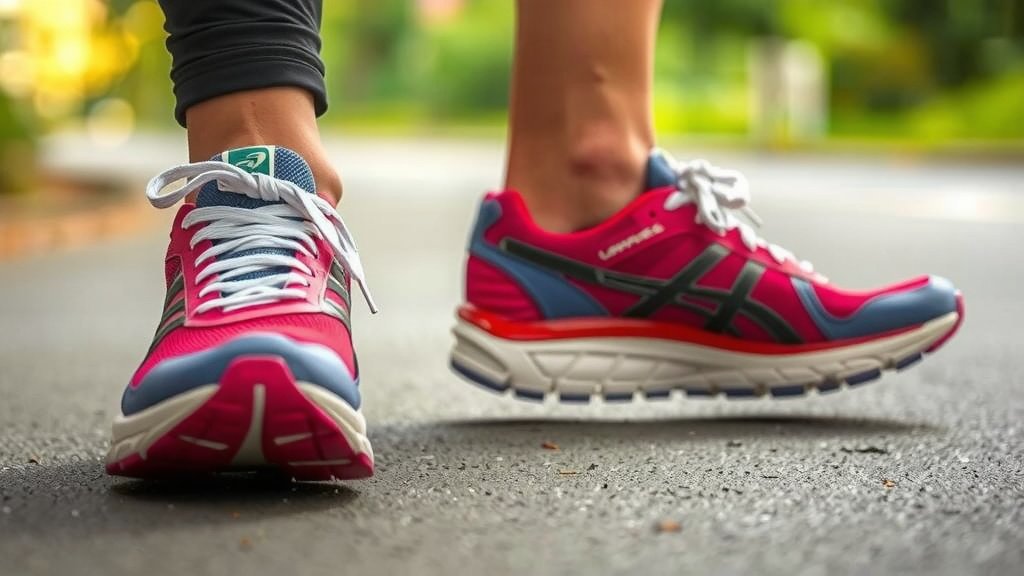
For the first week or two, it can be beneficial to alternate between your old and new shoes. Use your new shoes for shorter, easier runs. Stick with your old, well-worn pair for longer or more intense workouts. This strategy lets you enjoy the benefits of the new shoes without overstressing your body. For the first week or two, it can be beneficial to alternate between your old and new shoes.
As you become more comfortable, you can gradually shift more of your running mileage to the new shoes. We found that this method helps mitigate the risk of injury for many runners. It’s like cross-training for your feet!
What to Watch Out For
While easing in, keep an eye out for specific issues. Minor soreness is expected, but pain is a red flag.
Common Discomforts and Solutions
You might experience some blisters, particularly around your heels or toes. Ensure your socks are moisture-wicking and fit well. If a specific area is rubbing, you might need to try moleskin or athletic tape. Some runners find that the lacing technique can make a difference. Experimenting with different lacing patterns can sometimes alleviate pressure points.
You might also feel some tightness in your calves or arches. Gentle stretching after your runs can help. Foam rolling can also be incredibly beneficial for releasing muscle tension.
When to Consider Another Pair
If, after a couple of weeks of careful transition, you consistently experience significant pain or discomfort that doesn’t improve with stretching or minor adjustments, it might be time to re-evaluate. It’s possible the shoes aren’t the right fit for your foot type or biomechanics. Don’t hesitate to return them if possible, or consult with a running store professional.
Your New Shoe Transition Checklist
Here’s a quick rundown to keep you on track:
- Start with a short run (less than half your usual distance).
- Pay close attention to any new aches or pains.
- Don’t be afraid to stop if you feel sharp pain.
- Gradually increase mileage by about 10% each week.
- Alternate between old and new shoes for the first 1-2 weeks.
- Stretch and foam roll regularly to aid recovery.
Conclusion
Transitioning to new running shoes doesn’t have to be a pain point. By giving your body time to adjust, you’re setting yourself up for comfortable miles ahead. Remember to start short, listen closely to what your body is telling you, and gradually increase your distance. Alternating between your old and new shoes for the first couple of weeks is a smart strategy we’ve found helpful for many runners. Your new shoes are ready to go; just give yourself a little grace as you break them in.
Frequently Asked Questions
How soon can I run a full-length run in my new shoes?
It’s best to avoid a full-length run in brand-new shoes right away. Give yourself at least one to two weeks of shorter runs and alternating with your old shoes before tackling your usual long distance. This allows your feet and legs to properly adjust to the new feel and support.
What if I get blisters with my new shoes?
Blisters often happen when a shoe rubs in a new way. Ensure you’re wearing moisture-wicking socks that fit well. If a specific spot is causing irritation, try using moleskin or athletic tape on your foot before your run. Experimenting with different lacing techniques can also help reduce pressure points.
Is it okay to run in my old shoes while breaking in new ones?
Absolutely! Alternating between your old, familiar shoes and your new pair is a highly recommended strategy. Use your old shoes for longer or harder runs while you reserve the new ones for shorter, easier efforts. This approach helps prevent your body from overcompensating or getting stressed too quickly.
How long does it typically take to break in new running shoes?
Most runners find that it takes about one to two weeks to fully break in new running shoes. During this period, you’ll gradually increase the mileage in your new pair. Pay attention to how your feet and legs feel each day. If you experience persistent discomfort, it might take a little longer, or the shoes might not be the right fit.
What’s the biggest mistake to avoid when switching to new running shoes?
The biggest mistake is trying to do too much, too soon. This means avoiding jumping straight into your longest or fastest run in brand-new shoes. Pushing your body too hard before it has adjusted can lead to unnecessary aches, pains, or even injuries. Patience is key during this transition period.