
Why Feet Go Numb Running: Causes and Solutions
Your feet going numb during a run usually happens because of nerve compression or reduced blood flow. This can be caused by tight shoes, poor running form, or even swelling in your feet. It’s a common issue that runners encounter.
Several factors can contribute to this sensation. Things like the type of socks you wear, the surface you run on, and how long you’ve been running can all play a role. We’ve found that understanding these can help you find a solution.
- Numb feet happen from pinched nerves or poor circulation.
- Tight shoes and foot swelling are common culprits.
- Running form and sock choice can also contribute.
- Often, simple adjustments can fix the problem.
Let’s walk through the common reasons why your feet might feel like they’re asleep and what you can do about it.
“`htmlWhy Your Feet Might Feel Numb While Running
Numbness in your feet during a run can be really distracting, right? It’s like your feet are sending you a “stop” signal when you’re just getting into your stride. We’ve found that this feeling often stems from a couple of main issues: either your nerves are getting squeezed, or blood isn’t flowing as freely as it should be.
Understanding Nerve Compression
Think of your nerves as tiny highways carrying messages between your feet and your brain. When something squeezes these highways, the messages get interrupted, and you feel that familiar tingle or numbness.
Tight-Fitting Shoes: A Common Culprit
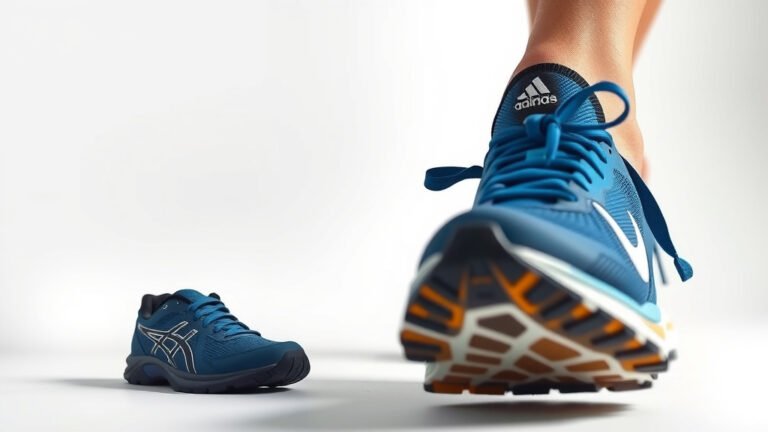
One of the most frequent reasons for nerve compression is your running shoes. If they’re too tight, especially across the width of your foot or over the top, they can literally pinch the nerves running through your feet. We’ve found that laces tied too tightly can also create pressure points.
It’s not just about being too small; shoes with a stiff sole or a narrow toe box can also contribute. Your feet need room to move and expand slightly when you run. When that space is restricted, you invite trouble.
Swelling: Your Feet Grow During a Run
Did you know your feet can actually swell as you run? Your body pumps more blood to your muscles to deliver oxygen and nutrients. This increased blood flow can lead to mild swelling. If your shoes are already snug, this extra volume can put pressure on nerves.
We found that this is especially true on longer runs or in warmer weather. The combination of increased blood flow and external heat can make your feet expand more than usual. It’s a natural process, but one that can cause discomfort if your gear isn’t accommodating.
Foot Anatomy and Biomechanics
Sometimes, the structure of your foot plays a role. Conditions like plantar fasciitis or a high arch can alter how pressure is distributed when you run. This can lead to certain nerves being more susceptible to compression.
We’ve also found that issues with your gait, or how you run, can overload specific areas of your foot. If you’re overpronating (your foot rolls inward too much) or supinating (it rolls outward too much), it can put uneven stress on nerves.
Exploring Reduced Blood Flow
When your feet go numb, it’s not always about nerves being squished. Sometimes, it’s simply that not enough oxygen-rich blood is reaching your feet. This lack of circulation can leave your feet feeling dead and tingly.
Your Socks Might Be the Issue
It sounds simple, but your socks can make a difference. Socks that are too thick or made of the wrong material can restrict blood flow, especially when combined with tight shoes. Cotton socks, for example, can absorb sweat and become damp, potentially leading to friction and discomfort that might feel like numbness.
Many runners find that moisture-wicking synthetic blends or merino wool socks are a better choice. They help keep your feet dry and can reduce bulk. We found that the right sock can prevent many minor irritations before they become major problems.
Tight Laces: A Double Whammy
We mentioned tight laces for nerve compression, but they also impact blood flow. Overly tight shoelaces can create a tourniquet effect, literally strangling the blood vessels that supply your feet. This double-whammy effect can quickly lead to numbness.
Running Surface and Foot Strike
The ground you run on can influence how your feet handle impact. Running on very hard surfaces like concrete can send jarring vibrations up your legs. This repeated impact can sometimes affect circulation.
Your foot strike pattern also matters. If your foot hits the ground awkwardly, it might momentarily cut off circulation. We’ve found that consciously thinking about a softer, more efficient foot strike can sometimes help alleviate this.

When to Seek Professional Advice
While occasional numbness can often be fixed with simple adjustments, there are times when you should consult a professional. If the numbness is persistent, severe, or accompanied by other symptoms like pain or weakness, it’s important to get it checked out.
Persistent Numbness or Tingling
If you find yourself constantly dealing with numb feet, even after trying different shoes or lacing techniques, it might signal an underlying issue. Conditions like peripheral neuropathy or even issues with your spine could be at play.
We recommend speaking with a doctor or a physical therapist. They can perform tests to diagnose the cause and recommend appropriate treatment. It’s better to be safe than sorry when it comes to your health.
Other Concerning Symptoms
Numbness combined with sharp pain, a burning sensation, or a loss of strength in your foot or ankle warrants medical attention. These symptoms could indicate a more serious nerve issue or injury that needs professional care.
Remember, your body is trying to tell you something. Listening to it and seeking help when needed is a sign of smart training, not weakness.
Quick Fixes for Numb Feet
Ready to get back to comfortable running? Here are a few things you can try yourself:
- Loosen your laces, especially over the top of your foot.
- Check your shoe fit – ensure there’s a thumb’s width of space at the toe.
- Try different socks – opt for thin, moisture-wicking materials.
- Vary your running surface if possible.
- Warm up thoroughly before your run.
- Adjust your foot strike for a softer landing.
Conclusion
It’s clear that numb feet while running are often a sign from your body about your gear or form. We’ve seen that nerve compression from tight shoes and swelling, or reduced blood flow from restrictive laces and improper socks, are the most common culprits. You have the power to address these issues with simple adjustments. Before your next run, try loosening those laces and checking your shoe fit. Listen to your feet; they’re telling you when something needs to change so you can enjoy your miles without distraction.
Frequently Asked Questions
How can I tell if my running shoes are too tight?
You should have about a thumb’s width of space between your longest toe and the end of your shoe. If your feet feel pinched, especially across the ball of your foot or in the toe box, your shoes are likely too tight.
Can socks really cause my feet to go numb?
Yes, thick socks or socks made of cotton can contribute to numbness, especially in snug shoes. They can add bulk and trap moisture, both of which can restrict circulation and increase pressure on nerves.
Is it normal for feet to swell when running?
It’s very common for your feet to swell slightly during a run as blood flow increases to your muscles. If your shoes are already a snug fit, this natural swelling can lead to discomfort and numbness.
What’s the best way to tie my running shoe laces to prevent numbness?
Avoid tying your laces too tightly, especially over the top of your foot. Consider using different lacing techniques, like skipping a top eyelet or using a surgeon’s knot, to reduce pressure points.
When should I stop running and see a doctor about numb feet?
If numbness is severe, persistent, or comes with pain, burning, or weakness, it’s time to seek medical advice. These could be signs of a more serious underlying condition that needs professional diagnosis and treatment.