Why Your Toes Go Numb While Running: Causes and Solutions
Your toes going numb while running often happens because of pressure on nerves in your feet. This can be caused by tight shoes or how your foot strikes the ground. You might also feel tingling or a burning sensation when this occurs. It’s a pretty common running issue.
This numbness, sometimes called runner’s toe, can make your run uncomfortable. It’s usually a sign that something isn’t quite right with your footwear or your gait. Many runners experience this, and understanding the cause is the first step to fixing it. We’ve looked into what causes this annoying sensation.
- Tight running shoes are a common culprit.
- The way your foot hits the ground can put pressure on nerves.
- Swelling in your feet during a run can also contribute.
- Sometimes, it’s just how your foot is shaped.
Let’s walk through exactly why your toes might be going numb on your runs and what you can do about it.
Understanding Why Your Toes Go Numb When Running
It’s a frustrating feeling: you’re hitting your stride, enjoying your run, and then suddenly, your toes go numb. This common issue, often called “runner’s toe,” happens for several reasons. Most often, it’s about pressure on the nerves in your feet. This can be from your shoes or how you move. We’ll break down the likely causes for you.
Foot Swelling and Shoe Fit: A Common Culprit
As you run, your feet naturally swell. This is a normal response to increased blood flow and heat. If your running shoes are too snug to begin with, this swelling can become a problem. Your shoes might feel fine when you first put them on, but they can become uncomfortably tight after a mile or two. This tightness can compress the blood vessels and nerves in your feet.
The Importance of Proper Shoe Sizing
Getting your shoe size right is key. Many runners make the mistake of buying shoes that are too small. Your feet need room to expand, especially during exercise. You should have about a thumb’s width of space between your longest toe and the end of the shoe.
Lacing Techniques for Comfort
How you tie your shoes can also make a big difference. A shoe that’s too tightly laced across the top of your foot can pinch nerves. This is especially true if you have high arches or a naturally sensitive foot.
- Try lacing your shoes looser across the top.
- Consider a different lacing pattern if pressure points persist.
- Ensure your heel is locked in place without being overly tight.
Nerve Compression: The Real Trouble Maker
When your toes go numb, it’s often because a nerve is being squeezed. This compression can happen in a few places. The most common spot is in your foot itself, often due to footwear. However, it can also originate further up, like in your ankle or even your lower back.
Morton’s Neuroma and Other Nerve Irritations
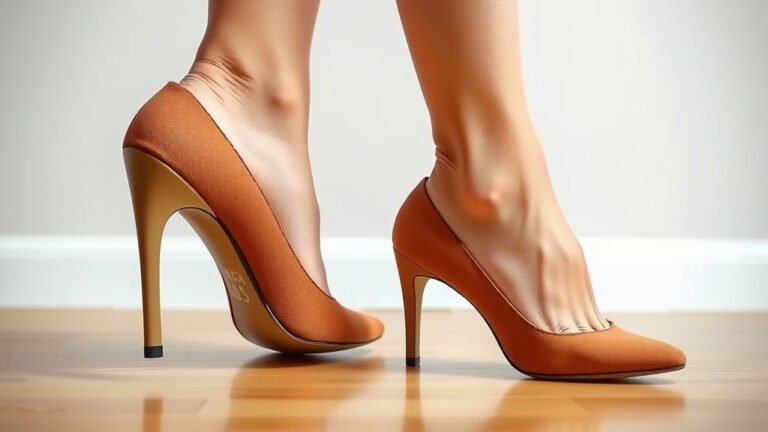
A condition called Morton’s neuroma is a frequent cause of toe numbness and pain. It’s a thickening of the tissue around a nerve leading to your toes. This typically happens between your third and fourth toes. The irritation is often caused by wearing tight, narrow shoes or high heels. Running can exacerbate this condition by increasing pressure on the forefoot. Many podiatrists identify this as a prime suspect (Cleveland Clinic).
Ankle and Foot Mechanics
The way your foot moves when you run can also put undue stress on nerves. If your ankle rolls inward too much (overpronation) or outward (supination), it can alter the natural alignment of your foot. This misalignment can lead to certain nerves being compressed with each step you take. Your foot’s natural shape also plays a role. A very high arch or a very flat foot can predispose you to these issues.

External Factors Affecting Your Feet
Beyond your shoes and how you move, other external factors can contribute to numb toes. Cold weather is one of them. When you run in the cold, your body redirects blood flow to your core organs to keep them warm. This means less blood reaches your extremities, like your toes. This can make them feel numb and cold.
The Impact of Cold Weather Running
If you’re running in chilly conditions, your socks matter. Wearing thin socks or socks made of cotton can make the problem worse. Cotton holds moisture, which can make your feet colder. Opt for wool or synthetic blends designed to wick away moisture and provide insulation. Also, consider wearing thicker socks, but be mindful of how they affect your shoe fit.
Terrain and Running Surface
The surface you run on can also play a part. Running on hard surfaces like concrete can increase the impact force on your feet with every stride. This can lead to more compression and potential nerve irritation. While you can’t always control the terrain, being aware of it can help you adjust your stride or choose softer surfaces when possible.
What You Can Do About Numb Toes
The good news is that numb toes are usually fixable. It often requires a bit of detective work to pinpoint the exact cause. Once you know why it’s happening, you can take steps to prevent it.
Choosing the Right Running Shoes
This is often the most critical step. Go to a specialized running store where they can analyze your gait. They can also measure your feet properly, accounting for width and arch type. Try on multiple pairs and take them for a short jog in the store. Pay close attention to how your toes feel during and after this. Many experts recommend shoes with a wider toe box to give your toes ample room to splay naturally (National Podiatric Medical Association guidelines suggest adequate toe space for healthy foot function).
When to Seek Professional Help
If you’ve tried adjusting your shoes and lacing, and the numbness persists or worsens, it’s time to see a professional. A podiatrist or a sports medicine doctor can diagnose conditions like Morton’s neuroma or nerve entrapment. They can also assess your running form and biomechanics. Early diagnosis and treatment are important to prevent long-term issues.
Simple Steps for Relief and Prevention
Here’s a quick checklist to help you tackle that numb toe feeling:
- Check your shoe size: Ensure there’s enough room.
- Adjust your lacing: Loosen the top.
- Wear moisture-wicking socks: Avoid cotton.
- Consider shoe inserts: Orthotics might help alignment.
- Warm up properly: Get blood flowing before you start.
- Listen to your body: Don’t push through significant discomfort.
Conclusion
Dealing with numb toes on your runs doesn’t have to be a persistent problem. We’ve found that this common issue often boils down to how your feet interact with your footwear and the ground. Proper shoe fit, considering foot swelling and your unique foot shape, is key. Pay attention to your lacing technique and be aware of external factors like cold weather. Remember, your body is telling you something. Don’t ignore those numb sensations; they’re signals to make adjustments for a more comfortable and injury-free running experience. Your next step? Assess your current running shoes and how you’re lacing them up.
Frequently Asked Questions
Will my numb toes go away on their own?
Often, yes, especially if the cause is temporary, like slightly too-tight shoes or mild swelling. Numbness from nerve compression might improve with rest and by addressing the cause. However, if it persists or worsens, it’s a sign you need to investigate further.
Can my running form cause numb toes?
Yes, your running form can definitely contribute. If your foot mechanics cause excessive pronation or supination, it can put undue pressure on nerves in your foot or ankle. Minor adjustments to your stride, or working with a coach, could help alleviate this pressure.
How do I know if it’s Morton’s Neuroma and not just tight shoes?
While tight shoes can mimic symptoms, Morton’s neuroma often involves a persistent thickening of nerve tissue, causing sharp pain, burning, or a feeling like you’re walking on a pebble, along with numbness. You’ll likely feel it between your toes. If these symptoms are consistent, seeing a podiatrist is recommended.
Is it okay to run with numb toes?
It’s generally not recommended to run through significant numbness. Numbness can be a sign of nerve damage or reduced blood flow, which can worsen if ignored. It also increases your risk of injury because you can’t feel your feet properly, potentially leading to blisters or stepping awkwardly.
Should I buy wider running shoes if my toes go numb?
A wider toe box is often a great solution if your toes feel cramped or numb. As your feet swell during a run, a narrow shoe can compress nerves and blood vessels. Choosing shoes with ample room for your toes to splay naturally can significantly reduce or eliminate numbness.