Running Arch Pain: Causes & Solutions
Your arches might hurt after running because you’re likely experiencing some form of foot strain. This often happens due to overuse, improper footwear, or inadequate support during your runs. It’s your body telling you something needs attention!
Many runners experience arch pain, and it can stem from issues like plantar fasciitis or tendinitis. We found that paying attention to your running form and the condition of your shoes can make a big difference. It’s a common problem, but usually manageable with the right approach.
- Arch pain is common in runners.
- It’s often due to overuse or shoe problems.
- Plantar fasciitis is a frequent cause.
- Proper support and form are key.
- Rest and targeted exercises help.
Let’s walk through why your arches might be aching and what you can do about it.
Understanding Your Aching Arches After Running
Your arches might be screaming “ouch” after your runs for a few common reasons. We found that most arch pain stems from overuse or biomechanical issues. It’s your body’s way of sending an SOS signal.
The Usual Suspects: What’s Causing the Pain?
When your arches hurt, it’s often a sign that something in your foot or lower leg isn’t quite happy with the demands you’re placing on it. Think of your feet as the foundation of your entire running structure.
Plantar Fasciitis: The Most Common Culprit
We see this one a lot. Plantar fasciitis is an inflammation of the plantar fascia. This is a thick band of tissue that runs across the bottom of your foot, connecting your heel bone to your toes. When this band gets strained or inflamed, it can cause sharp, stabbing pain, especially in the morning or after periods of rest. Research suggests it’s one of the leading causes of heel and arch pain (Cleveland Clinic).
Overdoing your mileage, sudden increases in intensity, or even wearing unsupportive shoes can irritate the plantar fascia. You might feel the pain most intensely near your heel but it can definitely radiate into your arch.
Posterior Tibial Tendinitis (PTT): The “Other” Arch Pain Cause
Another frequent offender is posterior tibial tendinitis. This involves the posterior tibial tendon, which runs along the inside of your ankle and helps support your arch. When this tendon becomes inflamed or damaged, your arch can flatten, leading to pain. You’ll often feel this pain along the inner side of your arch and ankle.
This condition is frequently linked to flat feet or an arch that collapses inward too much when you run. It can also develop from overuse or improper footwear that doesn’t provide enough arch support.
Stress Fractures: A More Serious Concern
While less common than plantar fasciitis or PTT, a stress fracture in one of the foot bones can also cause arch pain. These are tiny cracks in the bone, usually caused by repetitive force or overuse. The pain typically worsens with activity and might be accompanied by swelling. If you suspect a stress fracture, it’s crucial to see a doctor right away.
Muscle Fatigue and Strain
Sometimes, the pain isn’t from a specific condition but simply from your foot muscles getting overworked and fatigued. Your arches contain many small muscles that work hard to stabilize your foot as you run. If these muscles are weak, or if you’re running for too long or too intensely, they can become strained, leading to general aching in the arch area.
What’s Making Your Arches Hurt? Let’s Investigate!
It’s not just one thing that causes arches to ache. It’s usually a combination of factors that load your feet beyond their current capacity. Think about your running habits and your gear.
Your Foot Type Matters
Are your feet naturally high-arched, flat-arched, or somewhere in between? Your foot’s structure plays a big role. People with flat feet (low arches) or even high arches can be more prone to certain types of arch pain. Flat feet can cause the arch to collapse inward, straining the plantar fascia and posterior tibial tendon. High arches, on the other hand, might not absorb shock as well, leading to their own set of problems.
Footwear Follies: Are Your Shoes Letting You Down?
This is a huge one! Your running shoes are your primary defense against impact. Worn-out shoes lose their cushioning and support, making your feet work much harder. Wearing the wrong type of shoe for your foot strike or biomechanics is also a common mistake. For instance, if you have flat feet, you likely need shoes with good arch support and stability. Running in old, flat sneakers is like running on rocks!
Training Errors: Too Much, Too Soon?
Did you recently increase your mileage dramatically? Or perhaps you picked up the pace significantly? Your feet need time to adapt to increased training loads. Doing too much, too soon, too fast is a classic recipe for injury, including arch pain. We found that a gradual progression of mileage and intensity is key for injury prevention (CDC).
Running Form and Biomechanics
How you run can impact your arches. Issues like overpronation (where your foot rolls inward excessively) or a weak core can lead to poor biomechanics. This can put undue stress on your feet and arches. Even something as simple as landing too heavily can contribute to the problem.
What You Can Do About Arch Pain
Don’t let aching arches sideline you for long! There are several steps you can take to find relief and prevent future pain. Early intervention is always best.
Rest and Reduce Load
The first and most important step is to give your feet a break. Reduce your running mileage or take a few days off altogether. When you return, ease back into it gradually. Listen to your body; pushing through pain will only make things worse.
Supportive Footwear is Key
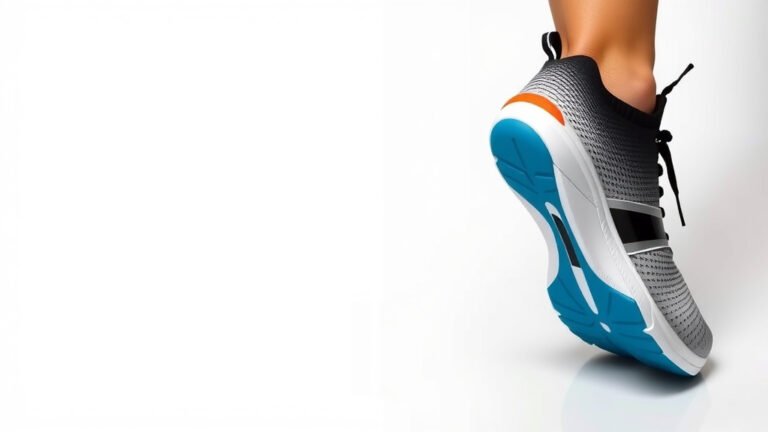
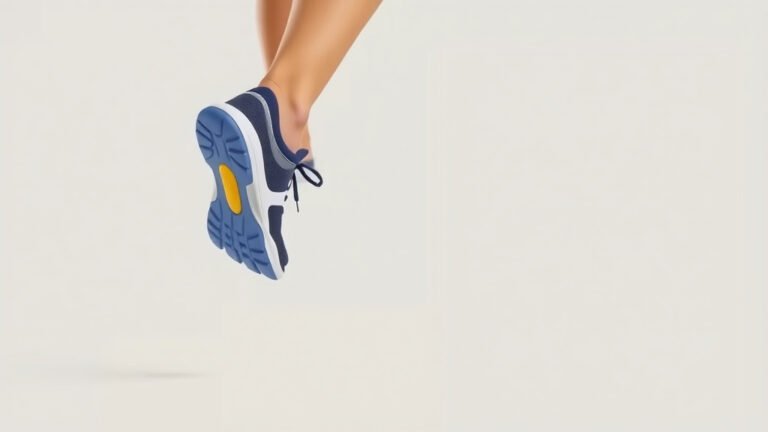
Assess your running shoes. If they’re old (more than 300-500 miles) or if you suspect they aren’t the right fit for your foot type, it’s time for a new pair. Consider visiting a specialty running store where they can analyze your gait and recommend shoes with adequate cushioning and support. Investing in good shoes is an investment in your running health.
Stretching and Strengthening Exercises
Targeted exercises can make a world of difference. Simple stretches for your calf and the plantar fascia can help. We found that exercises to strengthen the small muscles in your feet and ankles are also highly beneficial for improving arch support and stability.
Here’s a quick checklist of things to try:
- Stretch your calves daily.
- Roll your foot over a frozen water bottle.
- Do toe curls with a towel.
- Strengthen your ankles with resistance bands.
- Walk barefoot on soft surfaces (when pain-free).
Consider Orthotics or Inserts
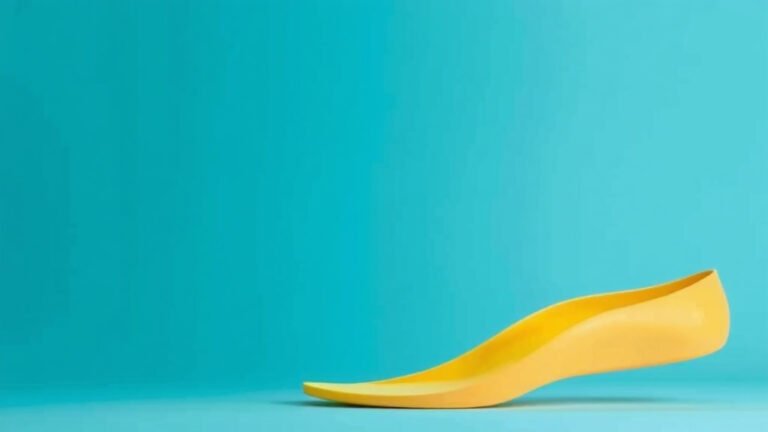
For some runners, over-the-counter or custom orthotic inserts can provide the extra arch support needed to alleviate pain. These can help correct biomechanical issues and reduce strain on the plantar fascia and supporting tendons.
Ice Therapy for Inflammation
Applying ice to your arch for 15-20 minutes several times a day can help reduce inflammation and numb any sharp pain. This is especially helpful after runs or if you experience increased discomfort.
Conclusion
Your aching arches after running are your body’s way of signaling that something needs attention. We’ve covered common causes like plantar fasciitis, PTT, and muscle fatigue, often linked to your footwear, training habits, or foot type. Remember, listening to your body is key. Don’t push through the pain. Instead, focus on rest, supportive shoes, and targeted strengthening exercises. If pain persists or worsens, it’s always wise to consult a healthcare professional for a proper diagnosis and treatment plan. Take these steps to get back to pain-free running!
Frequently Asked Questions
How long should I rest my arches before running again?
The amount of rest needed depends on the severity of your pain. Generally, aim for a few days of complete rest from running. You can start with very short, easy runs and gradually increase mileage only if you experience no pain. Listen to your body’s signals closely.
Can I run through arch pain?
It’s generally not recommended to run through arch pain. Pushing through discomfort can worsen inflammation and lead to more serious injuries. Focus on rest and recovery first. If the pain is mild, consider cross-training activities that don’t stress your arches, like swimming or cycling.
What kind of shoes should I buy if I have arch pain?
Look for running shoes that offer good arch support and cushioning. Shoes with a wider base and a stable heel counter can also be beneficial. Visiting a specialty running store for a gait analysis is your best bet for finding the right fit for your foot type and biomechanics.
Are stretches really effective for arch pain?
Yes, stretching can be very effective. Regular calf stretches and specific plantar fascia stretches can help improve flexibility and reduce tension in your feet. Strengthening exercises for your foot muscles also improve your arch’s natural support system and can prevent future pain.
When should I see a doctor for arch pain?
You should see a doctor if your arch pain is severe, doesn’t improve with rest and home care, or if you suspect a stress fracture. Sudden swelling, bruising, or an inability to bear weight on your foot are also signs that warrant medical attention. Early diagnosis is often key to a quick recovery.