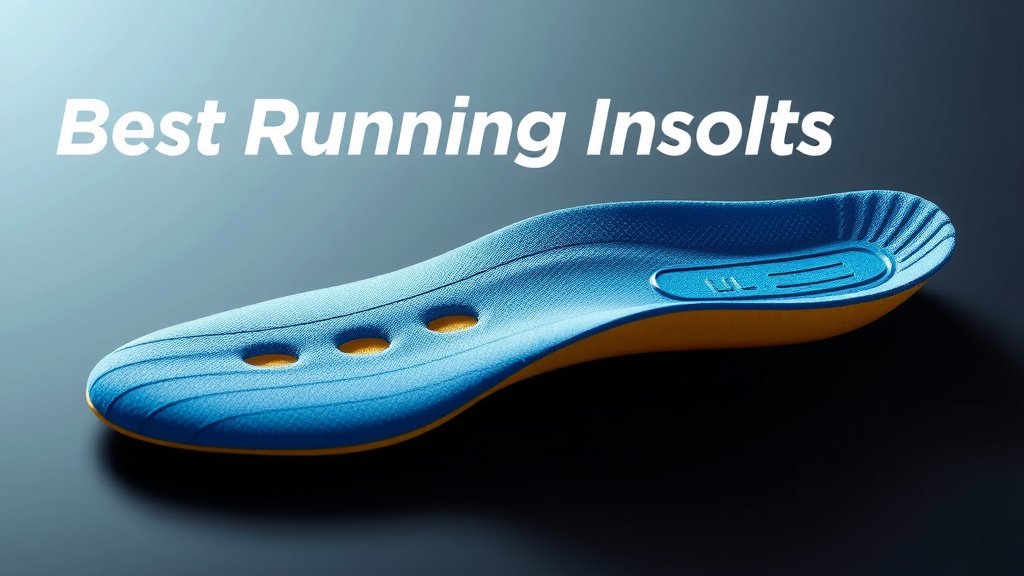
Best Running Insoles: Expert Picks for Comfort and Performance
The best insole for running isn’t a one-size-fits-all answer. Instead, it’s about finding the perfect match for your foot type and running style. We found that the ideal insole provides the right amount of support and cushioning to prevent discomfort and injury.
Choosing the right insoles can make a huge difference in your running experience. Think of them as the unsung heroes for your feet, helping to absorb shock and promote proper alignment. Many runners find that the correct insoles help them run longer and feel better, even on tough terrain.
- No single “best” insole exists for all runners.
- Focus on your foot’s arch type (flat, neutral, high).
- Consider your running goals and any past injuries.
- Proper support and cushioning are key for comfort.
- Experimentation might be needed to find your perfect pair.
Below, we’ll break down how to choose the best insoles for your unique running needs.
“`htmlFinding Your Ideal Running Insole Support
So, you’re wondering what makes a running insole the “best” for you. It’s not about finding a single magic shoe insert. Instead, it’s about understanding your feet and how you move. We’ve found that the perfect insole feels like it was made just for you. It provides the right balance of support and cushioning.
Think of your feet as the foundation of your running. If the foundation isn’t quite right, the whole structure can feel off. Insoles act as an upgrade to that foundation. They help distribute impact and keep your foot in a more natural position as you run. This can lead to less fatigue and fewer aches. We’ve seen that many runners feel a huge difference with the right insole.
Understanding Your Arch Type is Key
Your arch is the most important factor in choosing an insole. It’s the main support structure in your foot. Knowing your arch type helps determine how much support you need from an insole. There are three main types.
1. Flat Arches (Low Arches)
If your foot lies almost completely flat on the ground when you stand, you likely have flat arches. Your arch might collapse inward when you run. This is sometimes called overpronation. You’ll likely benefit from insoles that offer good arch support and motion control. These help prevent your foot from rolling too far inward. We found that firm, structured insoles are often recommended here.
2. Neutral Arches (Medium Arches)
People with neutral arches have a moderate curve. Their feet tend to land with the heel striking the ground, then roll slightly inward to absorb shock. This is a pretty efficient foot motion. If you have neutral arches, you might need less specialized support. You might find that insoles offering general cushioning and moderate support work best. Many insoles are designed for this common foot type.
3. High Arches
If you see a significant curve when you stand, you likely have high arches. Your foot might not absorb shock very well. This can lead to a lot of pressure on your heel and the ball of your foot. For high arches, the focus is on cushioning and shock absorption. You want an insole that adds softness and helps spread out the impact. We found that flexible, well-cushioned insoles are often a good fit.
Consider Your Running Habits and Needs
Beyond your arch type, think about how and where you run. Your insoles should match your running style and goals. This helps ensure they provide the right kind of help.
The Cushioning Factor
Do you run on hard surfaces like pavement? Or do you prefer softer trails? If you run mostly on concrete, you’ll want more cushioning. This helps absorb the shock of each step. Less impact means less stress on your joints. We found that runners who prioritize comfort often look for gel or foam inserts.
Support for Past Injuries
Have you had foot or ankle injuries in the past? Perhaps shin splints or plantar fasciitis? If so, you’ll want to be more specific. You might need insoles designed to address those issues. For example, some insoles offer extra heel support for plantar fasciitis. Others might provide more stability to help prevent ankle rolls. Consulting a physical therapist or sports doctor can offer guidance here (Mayo Clinic).
Your Running Goals
Are you training for a marathon, or do you enjoy casual jogs? For long-distance running, durability and consistent support are crucial. You want an insole that won’t break down too quickly. For shorter, faster runs, you might prioritize a lighter insole that doesn’t add much weight. We found that the best insole often supports your specific training demands.
Types of Running Insoles Available
Insoles come in a few main categories. Each offers different benefits. Understanding these can help you narrow down your choices.
Support-Style Insoles
These are generally firmer. They offer more structured support for your arch. They are designed to control foot motion, especially if you overpronate. You’ll find these are often recommended for flat feet. They help guide your foot into a more neutral position. Many experts say these can help reduce the risk of certain running injuries.
Cushioning Insoles
If your primary concern is shock absorption, these are for you. They are typically softer and thicker. They use materials like gel, foam, or air. These insoles are great for high arches or for runners who want a softer feel underfoot. We found that people running on hard surfaces often prefer these.
Combination Insoles
As the name suggests, these offer a blend of both support and cushioning. They aim to provide a balanced feel. They have some structure to support the arch but also enough padding to absorb shock. These can be a good starting point if you’re unsure what you need. Many general-purpose insoles fall into this category.
Performance/Activity-Specific Insoles
Some insoles are designed for very specific activities or needs. You might find insoles marketed for trail running, for example. They might have enhanced grip or more robust cushioning. While these can be great, often a good support or cushioning insole will serve most runners well.
Making Your Final Insole Choice: A Checklist
Ready to pick out your perfect insoles? Here’s a quick rundown to guide you. We’ve found this checklist helps runners make a confident decision.
- Know your arch type: Flat, neutral, or high?
- Consider your running surface: Pavement, trail, or track?
- Think about past injuries: Do you need specific support?
- What’s your goal?: Long distance, speed, or casual fitness?
- Feel is important: Try them if possible, or be ready to test.
- Don’t be afraid to switch: What works now might change later.
Choosing the right insole is a personal journey. It’s about finding what feels best and helps you run comfortably and safely. Don’t get discouraged if your first choice isn’t perfect. Experimentation is often part of the process. We’ve found that the effort is well worth it for improved running comfort and fewer pains.
“`Conclusion
Finding the best insole for your running is a personal journey. We’ve learned that it’s all about matching your unique foot type and running style. Remember to focus on your arch, consider your running surface, and any past injuries. Don’t be afraid to experiment. The right insole can dramatically improve your comfort and help prevent pain.
Your next step is to assess your arch type and think about your running habits. Then, start exploring insoles that offer the right balance of support and cushioning for you. This small change can make a big difference in how you feel on every run.
Frequently Asked Questions
How often should I replace my running insoles?
You should plan to replace your running insoles every 300 to 500 miles. This range ensures you’re getting consistent support and cushioning. Over time, the materials break down, reducing their effectiveness and your protection.
Can running insoles really help with plantar fasciitis?
Yes, many runners find relief for plantar fasciitis with the right insoles. Look for insoles with good arch support and heel cushioning. These features can help reduce strain on the plantar fascia ligament.
What’s the difference between over-the-counter and custom insoles?
Over-the-counter insoles are mass-produced and work for general foot types and needs. Custom insoles are made specifically for your feet, often after a professional assessment. While more expensive, custom options offer highly tailored support.
Should I wear insoles in my running shoes all the time?
It’s generally best to wear your insoles only when running or engaging in other high-impact activities. Your feet need time to move naturally without added support. Wearing them constantly can sometimes weaken your feet’s natural support structures.
Can I use the same insoles for trail running and road running?
While you can, dedicated insoles often perform better. Trail running may require more shock absorption and stability due to uneven terrain. Road running often benefits from good cushioning for hard surfaces. Choosing insoles suited to your primary running surface is ideal.