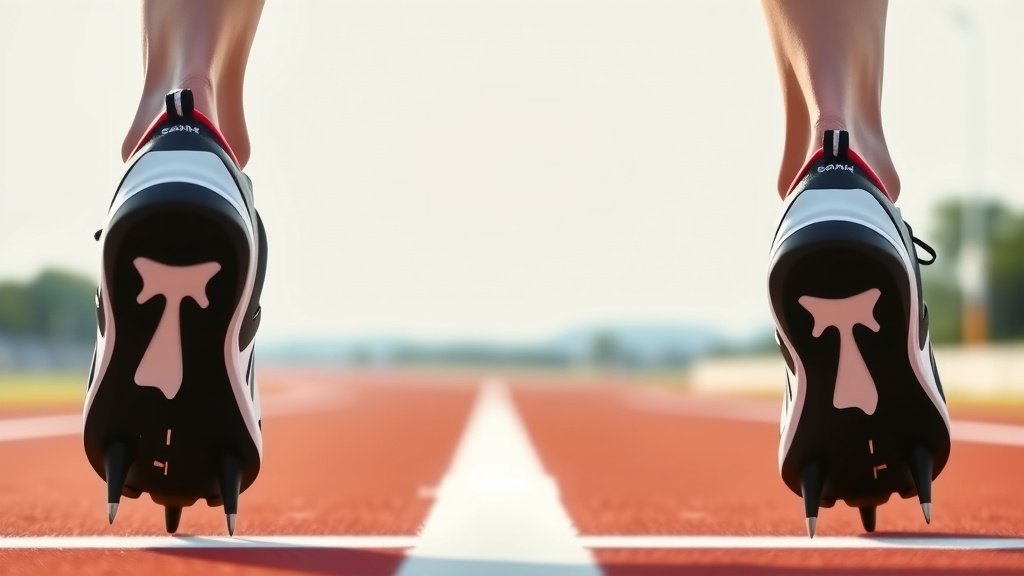
Choosing the Right Track Spikes for Your Run
Choosing the right track spikes for your event is all about finding the perfect balance of support and flexibility. You need spikes that are lightweight for speed but offer enough cushioning and grip for your specific race. Your ideal spike will feel like a natural extension of your foot, propelling you forward with confidence.
When you’re looking for track spikes, consider the type of event you compete in. Sprinters need different shoes than distance runners, and jumpers have unique requirements too. We found that the right spike can significantly impact your performance and comfort.
- Match spikes to your event (sprinting, distance, jumping).
- Look for lightweight designs with good flexibility.
- Ensure adequate cushioning and a secure fit.
- Consider the spike plate’s stiffness and length.
Let’s walk through exactly how to find that perfect pair of track spikes to help you achieve your personal best.
Finding the Right Track Spikes for Your Performance
Selecting the correct track spikes is a big step. It can really make a difference in your races. You want spikes that feel like a natural part of your foot. They should help you run faster and feel more comfortable. We found that matching your spikes to your event is the most important first step.
Matching Spikes to Your Track and Field Event
Different track events require different types of footwear. What works for a sprinter won’t work for a distance runner. It’s like choosing the right tool for a job. You wouldn’t use a hammer to cut wood, right? So, let’s break down spike needs by event.
For the Sprinters: Speed and Power
If you’re a sprinter, you need spikes that offer maximum power transfer. Your focus is on explosive starts and quick acceleration. This means you’ll want a stiff spike plate. The plate is the hard sole under the shoe. It helps push energy directly into the track. Sprinters typically need shorter spike plates. This allows for more flexibility in the forefoot. We found that many sprinters prefer a very thin sole. This keeps the shoe light and close to the ground. Comfort is important, but pure performance often takes priority.
For the Distance Runners: Comfort and Efficiency
Distance runners need spikes that balance speed with endurance and comfort. You’re running more laps, so cushioning becomes more important. Your spikes should still be lightweight, but with a bit more give. The spike plate might be slightly longer. This provides a bit more stability over many miles. Flexibility is key here, too. You need to be able to move your foot naturally for a long time. We found that many distance spikes offer a sock-like fit. This helps prevent blisters and hot spots. Some distance runners even use lighter racing flats that have a few less aggressive features.
For the Jumpers: Support and Stability
Jumpers have unique needs. Think high jumpers, long jumpers, and triple jumpers. They need spikes that provide excellent stability and support. This is especially true for the approach run and the take-off. Jump spikes often have a stiffer, more rigid sole. This helps anchor your foot during those powerful movements. Many jump spikes feature a higher heel. This can help with ankle stability and take-off angles. The spike plate in jumping shoes is often thicker. It needs to withstand more lateral force. We found that a secure, locked-in feel is vital for jumpers. This prevents your foot from sliding inside the shoe.
For the Throwers: Power and Ground Feel
Throwers (shot put, discus, hammer, javelin) also have specialized spikes. These shoes are designed for maximum power and stability during rotational movements or gliding steps. Throwing shoes often have a flat, very rigid sole. This provides a stable platform for generating force. Some throwing shoes even have a smooth outsole. This helps with controlled sliding or rotation on the track surface. The upper of a thrower’s shoe is usually quite durable. It needs to withstand the stresses of throwing. We found that good ground feel is important. This helps athletes maintain balance and control.
Understanding Key Spike Features
Beyond the event, there are specific features to consider. These details can fine-tune your choice. It’s about the little things that add up to a better race day. Let’s look at what makes a spike tick.
The Spike Plate: Your Propulsion System
The spike plate is the part of the shoe that holds the spikes. It’s usually made of a hard plastic or carbon fiber material.
Stiffness and Flexibility
A stiffer plate offers more power transfer. It’s good for explosive events like sprinting and jumping. A more flexible plate allows for a natural foot motion. This is better for longer distances. We found that the length of the plate also matters. Shorter plates offer more forefoot flexibility. Longer plates provide more overall rigidity.
Material Matters
Plates can be made from different materials.
- Nylon: Generally more flexible and lighter. Good for beginners or distance events.
- Pebax/Plastic: A common, versatile material offering a good balance of stiffness and weight.
- Carbon Fiber: Very stiff and lightweight, offering maximum energy return. Best for elite sprinters and jumpers.
Upper Material and Fit: The Shoe’s Embrace
The upper is the part of the shoe that covers your foot. It’s responsible for comfort and security.
Lightweight and Breathable
Most track spikes use mesh or synthetic materials. These are chosen for their lightweight feel and breathability. You want your feet to stay cool and dry. This helps prevent blisters and discomfort. We found that thinner uppers are common in racing spikes.
Secure Fit and Lockdown
A snug fit is essential. Your foot shouldn’t slide around inside the shoe. Many spikes use traditional laces. Some have hook-and-loop straps for quick adjustments. We found that the lacing system is critical for achieving a custom fit. It should feel secure without being too tight. The shoe should feel like an extension of your foot.
Cushioning: A Little Comfort Goes a Long Way
While track spikes aren’t known for plush cushioning, some offer more than others.
Event-Specific Needs
Distance runners will benefit from a bit more cushioning. This helps absorb impact over longer races. Sprinters and jumpers generally need less. They prioritize responsiveness and ground feel. We found that even a small amount of cushioning can improve comfort significantly. It can reduce foot fatigue during training and competition.
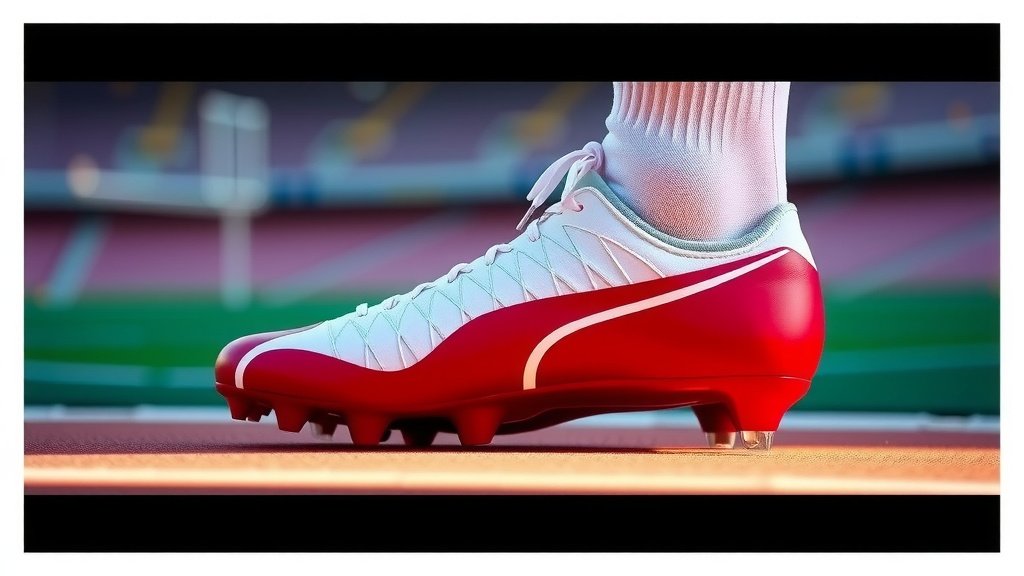
Trying Spikes On: Your Checklist for Success
You’ve learned a lot about spike features. Now, how do you actually pick the right pair? Trying them on is your best bet. Here’s a simple checklist to guide you.
- Wear your racing socks: Always try spikes with the socks you’ll compete in.
- Check the fit: Your toes should be close to the end, but not crammed.
- Feel for pressure points: No pinching or rubbing anywhere on your foot.
- Walk and jog around: See how they feel with movement. Do they flex naturally?
- Test the lockdown: Your heel should stay put when you lift your foot.
- Consider the spike plates: Ensure they match your event’s demands.
Many experts recommend visiting a specialty running store. They often have knowledgeable staff. We found that they can provide personalized advice. Trying on multiple pairs is wise. Don’t be afraid to take your time. Finding the right track spikes is an investment in your performance and enjoyment.
Conclusion
Choosing the right track spikes is your secret weapon for a better race. You’ve learned how matching spikes to your event—be it sprinting, distance, jumping, or throwing—is the most critical step. Remember to consider the spike plate’s stiffness and material, the upper’s fit for lockdown, and a touch of cushioning for comfort. Your ideal spike should feel like a natural extension of your foot, providing support where you need it and flexibility where you don’t. Don’t rush the process; trying them on with your racing socks is key. Your next step is to visit a specialty store or carefully examine your options, focusing on how they feel during movement. Invest this time, and you’ll be one step closer to your personal best.
Frequently Asked Questions
How tight should track spikes be?
Track spikes should fit snugly, almost like a second skin. Your toes should be close to the end, but not jammed. You want a secure fit to prevent your foot from sliding, but avoid any painful pinching or pressure points. A good fit ensures optimal power transfer and comfort during your race.
Can I use distance running spikes for sprinting?
Generally, no. Distance spikes are designed for more flexibility and cushioning over longer efforts. Sprinters need stiffer plates for explosive power and quick acceleration. Using distance spikes for sprinting will likely result in less efficient energy transfer and can even hinder your performance.
What’s the difference between nylon and carbon fiber spike plates?
Nylon spike plates are typically more flexible and lighter, making them a good choice for beginners or distance runners. Carbon fiber plates are very stiff and lightweight, offering maximum energy return for sprinters and jumpers who need that explosive propulsion. Carbon fiber plates also tend to be more expensive.
How many spikes should be on a track spike shoe?
The number of spike receptacles can vary by shoe design and intended event. Sprinters often have more spike holes in the forefoot for maximum traction during starts and sprints. Distance spikes might have fewer, focusing on a balance of grip and weight. Jump and throw spikes are designed for stability, so the spike placement is geared toward that.
Are track spikes good for everyday training?
Track spikes are generally not recommended for everyday training. Their aggressive design and stiff plates are meant for competition on a track surface. Wearing them for general training can lead to discomfort, premature wear on the spikes and shoes, and potential injury due to their lack of cushioning and support for varied movements.