
Best Cross Country Shoes for Every Runner
For cross country running, you need specialized shoes designed for varied terrain. Look for shoes with good traction and a snug, supportive fit. These are often called “cross country spikes” or “cross country flats,” depending on the level of competition and terrain.
These shoes differ from road running shoes. They offer better grip on grass, mud, and uneven surfaces. They also tend to be lighter to help you move faster. Finding the right pair can make a big difference in your performance and comfort.
- Cross country shoes offer superior traction on grass and mud.
- They provide a secure fit for stability on uneven terrain.
- Look for lightweight designs for better speed.
- Consider both “flats” for training and “spikes” for racing.
Let’s walk through exactly what makes a great cross country shoe and help you find the perfect pair for your races.
Choosing the Right Cross Country Shoes
Cross country running demands shoes that can handle mud, hills, and uneven terrain. Unlike road running, cross country courses are often a bit wild. You might splash through puddles or scramble up a grassy incline. That’s where specialized shoes come in handy.
These shoes are built for grip and stability. They offer a secure feel so you don’t slip. They also help protect your feet from sharp objects you might encounter. Let’s dig into what makes these shoes different and how to pick the best pair for you.
Key Features of Cross Country Footwear
When you look at cross country shoes, you’ll notice a few distinct differences from your typical running shoes. These features are designed to give you an edge on the course.
Outsole: The Foundation of Grip
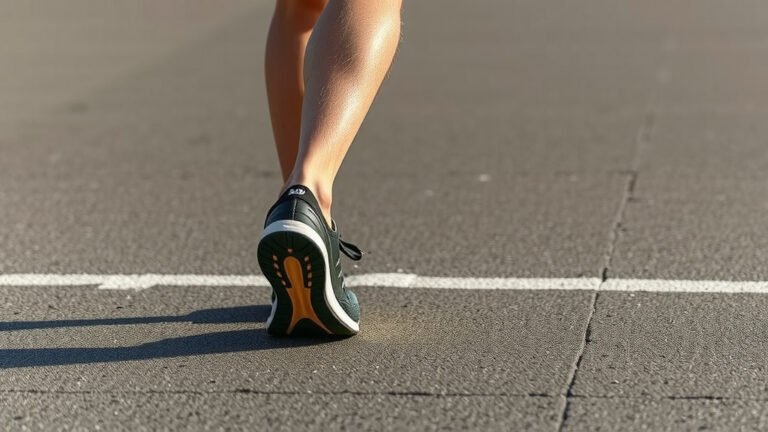
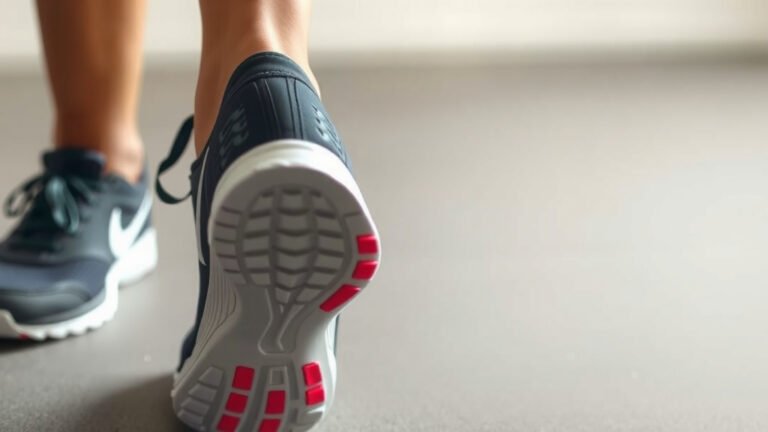
The outsole is the part of the shoe that touches the ground. For cross country, this is super important. It needs to bite into the dirt and grass.
Lug Patterns for Traction
You’ll see deep, aggressive lugs on the bottom of these shoes. Think of them like tire treads for your feet. These lugs dig into soft surfaces. This helps prevent slipping, especially on wet grass or muddy hills. Research shows that aggressive tread patterns can improve traction significantly on loose or slippery surfaces (NCBI).
Spikes for Racing
Many racing cross country shoes have small, sharp metal spikes. These are called “racing spikes.” They screw into the outsole. These spikes are designed to dig into the ground for maximum grip. You’ll usually find them in the forefoot and sometimes the heel. They are fantastic for hard, dry courses or when you need that extra push on a steep hill.
Upper: Protecting and Supporting Your Foot
The top part of the shoe, the upper, is just as important. It needs to be durable and comfortable.
Durable Materials
Cross country uppers are often made from tough, synthetic materials. They need to withstand twigs, rocks, and general abuse. Many are also designed to be water-resistant or quick-drying. This is a big plus when you’re running through puddles or wet grass.
Secure Fit and Support
A snug fit is essential for cross country. You don’t want your foot sliding around inside the shoe, especially on uneven ground. Look for shoes with a good lacing system that allows you to customize the fit. Some models have internal bands or overlays that wrap around your foot for added support and a locked-down feel.
Midsole and Cushioning: Balancing Comfort and Responsiveness
The midsole sits between the outsole and the upper. It provides cushioning and helps absorb shock.
Minimalist vs. Cushioned
Cross country shoes tend to have less cushioning than road running shoes. This is a good thing for cross country! Less cushioning means you feel the ground more. This can improve your stability and proprioception (your body’s sense of its position in space). It also keeps the shoe lightweight. While some cushioning is good for comfort, too much can make the shoe feel heavy and less responsive on technical terrain.
Lightweight Design
Speed is often a factor in cross country. So, shoes are typically designed to be very lightweight. This helps you feel fast and agile on the course. You’ll notice they don’t have a lot of extra bulk.
Cross Country Flats vs. Spikes: What’s the Difference?
You’ll hear two main terms when people talk about cross country shoes: flats and spikes. Understanding the difference will help you choose.
Cross Country Flats
These are shoes without spikes. They have a good, aggressive outsole pattern for traction. Flats are your go-to for daily training. They offer a good balance of durability, protection, and grip. You can wear them on almost any terrain. They are also great for longer runs or when you just want a comfortable, grippy shoe for practice.
Cross Country Spikes
These are the specialized racing shoes. They have the option to add metal spikes to the outsole. Spikes give you that extra edge on race day, especially on certain courses. They are designed to be very lightweight and have minimal cushioning. You generally wouldn’t train in spikes every day. They can be less durable and might be too aggressive for regular use on hard surfaces.
Think of it like this: Flats are your reliable work boots, and spikes are your performance racing shoes. Both have their place in your cross country gear.
How to Choose Your Pair: A Quick Guide
Ready to find the perfect shoes? Here’s a simple checklist to guide you.
- Consider your usual terrain: Are you running on mostly dry grass, or is it often muddy and wet?
- Think about racing vs. training: Will you use these primarily for practice, or are you looking for race-day performance?
- Prioritize fit: Your shoes should feel snug and secure, with no heel slip or toe pinching.
- Check the outsole: Look for aggressive lugs for good traction on soft surfaces.
- Don’t over-cushion: Cross country shoes benefit from a more grounded feel.
- Try them on! This is the most important step. Walk and jog around in them if possible.
Many athletes find that having both a pair of flats for training and a pair of spikes for racing offers the best of both worlds. This approach ensures you have the right tool for every situation.
A Look at Shoe Construction: What to Expect
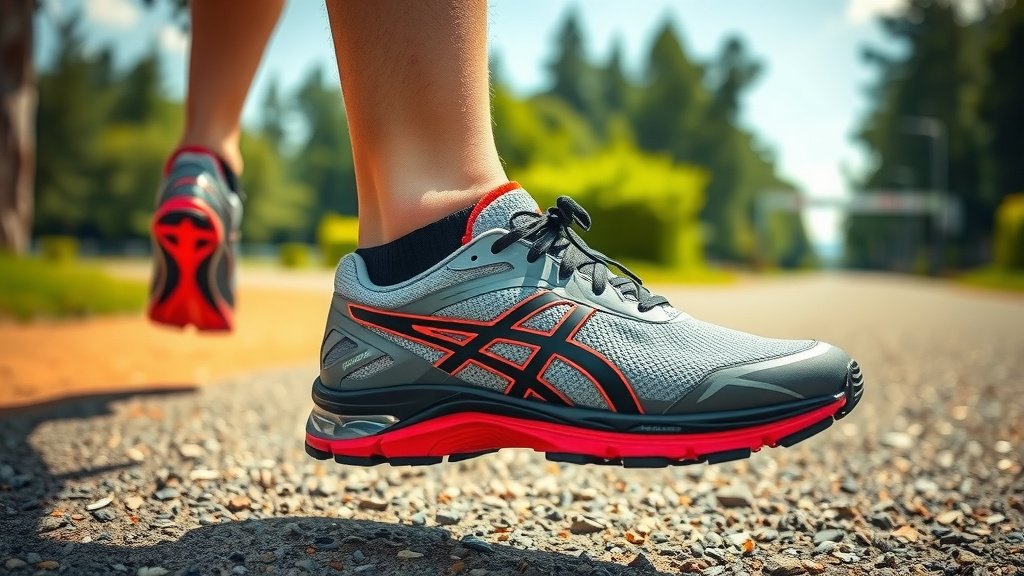
Let’s break down what you might find inside a cross country shoe.
Outsole Materials and Design
The outsole is typically made of durable rubber. The design is all about grip. We found that shoes with a wider forefoot and a more flexible sole often feel more stable on uneven ground (American College of Sports Medicine).
Midsole Thickness and Feel
You’ll notice the midsole is usually quite thin. This is intentional. It allows for better ground feel and agility. Some shoes might have a thin layer of EVA foam for minimal shock absorption. Others might be even more minimalist.
Upper Construction and Features
The upper materials are chosen for durability and breathability. Mesh panels are common to help keep your feet cool. Reinforcements might be added in high-wear areas. A well-designed heel counter will help lock your heel in place.
When to Consider Spikes
Are you in middle school, high school, or college cross country? If you’re competing, spikes are often a game-changer. They are especially beneficial on courses that are:
- Hard-packed or dry: The spikes dig in for better grip.
- Muddy: They help cut through the mud for better traction.
- Hilly: They provide extra purchase for pushing off and braking.
If your league or races allow spikes, and you’re looking to gain a performance advantage, they are definitely worth considering. Just remember to use them sparingly on non-race days.
Conclusion
Choosing the right cross country shoes is about finding that perfect balance of grip, support, and lightness. You’ve learned how aggressive lugs and optional spikes provide essential traction on varied terrain. A snug upper and a less-cushioned, responsive midsole help you stay stable and agile. Whether you opt for durable flats for training or performance spikes for race day, the key is a secure fit that lets you focus on your run. Now, lace up your chosen pair and hit the trails with confidence!
Frequently Asked Questions
Can I use my regular road running shoes for cross country?
It’s generally not recommended. Road running shoes lack the aggressive traction needed for mud and grass. They also don’t offer the same level of protection and stability on uneven terrain. You’re more likely to slip or injure yourself.
How do I know if I need spikes or flats?
Flats are excellent for everyday training and offer good grip on most surfaces. Spikes are best reserved for racing, especially on courses that are hard-packed, muddy, or very hilly, as they provide maximum grip. Many athletes own both.
How tight should cross country shoes be?
Your cross country shoes should feel snug and secure, almost like a second skin. There should be no heel slippage when you walk or run. Your toes should have enough room to wiggle slightly, but not so much that your foot slides forward on downhills.
Are minimalist cross country shoes better for me?
Minimalist shoes offer great ground feel and agility, which can be beneficial on technical courses. However, they provide less cushioning. If you’re used to more support or are running longer distances on rough terrain, a shoe with a bit more responsive cushioning might be more comfortable.
How often should I replace my cross country shoes?
Like any athletic shoe, cross country shoes wear out. For training flats, you’ll likely need to replace them every 300-500 miles, or when the traction significantly diminishes. Racing spikes will degrade faster with use, especially if worn on hard surfaces.