

Discover Your Running Foot Strike Pattern Easily
Finding your foot strike pattern is simpler than you might think. You can discover it by observing your running gait, either by watching yourself in a mirror or recording a video. Most runners land either on their heel, midfoot, or forefoot, and knowing yours can help improve your running form and reduce injuries. It’s about understanding where your foot first touches the ground as you run.
Understanding your foot strike pattern can have a big impact on your running efficiency and overall comfort. Different foot strikes distribute impact forces differently. Many runners find that adjusting their strike can lead to fewer aches and pains. We’ve found that simply being aware of your foot’s landing point is the first step toward making positive changes.
TL;DR:
- Your foot strike is where your foot hits the ground first.
- Common strikes are heel, midfoot, and forefoot.
- Observe yourself running or record a video.
- Knowing your pattern can help prevent injuries.
- It can also make your running more efficient.
Let’s walk through exactly how to figure out your unique foot strike pattern step by step.
Figuring Out Your Running Foot Strike
You’re ready to discover how your foot lands when you run. It’s a simple process that doesn’t require fancy equipment. You just need a bit of observation. Most runners land in one of three main ways. Understanding yours can really help you. Let’s find out which one it is!
What Exactly Is a Foot Strike Pattern?
Your foot strike pattern describes the first part of your foot that makes contact with the ground as you run. Think of it as the initial touchdown. It’s a key part of your running mechanics. Many people are curious about this. It can offer clues about your running form.
The Three Main Types of Foot Strikes
Research shows there are three common ways runners make contact with the ground. Each has its own characteristics and impact on your body. Knowing these can help you understand what you might be doing.
1. The Heel Strike
This is when your heel is the first part of your foot to hit the ground. It’s the most common strike pattern among runners. You’ll often see a forward leg motion with the heel coming down first. It can feel natural to many, especially if you walk a lot.
2. The Midfoot Strike
Here, the middle part of your foot, from the ball to the heel, touches down simultaneously. It’s a more balanced landing. The impact is spread more evenly across the foot. Some find this strike feels more efficient than a heel strike.
3. The Forefoot Strike
This occurs when the ball of your foot, or your toes, lands first. Runners with this strike often have a quicker cadence. They tend to land more underneath their body. It can feel springy, almost like you’re bouncing lightly.
How to Observe Your Own Foot Strike
The best way to find your pattern is by watching yourself run. You don’t need a high-tech lab. Simple observation can tell you a lot. You’ll want to see how your foot hits the ground.
Method 1: The Mirror Test
Find a full-length mirror. Stand facing it. Now, jog lightly in place. Watch your feet closely as they land. Can you see which part of your foot makes the first contact? Do this for a minute or two. It might take a few tries to really focus.
Method 2: Video Recording
This is often the easiest and most reliable method. You can use your smartphone. Ask a friend to record you running from the side. A few different angles can be helpful. Record yourself running at a comfortable pace for about 30 seconds. Play the video back slowly. You can even pause it at the exact moment of impact. This visual evidence is very clear.
Method 3: Wet Foot and Paper Test
This is an old-school trick, but it can give you an idea of your arch type, which sometimes correlates with foot strike. Wet the soles of your feet. Step onto a piece of paper or cardboard. Look at the imprint. A full footprint suggests a flatter arch. A very thin middle might mean a high arch. While not a direct foot strike test, it can offer related clues (National Institutes of Health).
What to Look For in Your Observation
When you watch yourself, pay attention to the initial point of contact. Is it the heel? The middle of the foot? Or the ball of the foot?
Analyzing Your Video Footage
Slow down the playback. Watch the moment your foot connects with the ground. Freeze the frame if needed. The heel strike will show the heel hitting first, often out in front of your body. A midfoot strike will show the whole foot landing close to under your hips. A forefoot strike will show the toes or the ball of the foot making contact first.
Common Pitfalls and How to Avoid Them
Don’t overthink it. It’s easy to get caught up in the details. Focus on that very first point of touch. Also, ensure you are running naturally. Don’t try to change your stride while observing. The goal is to see what you *actually* do.
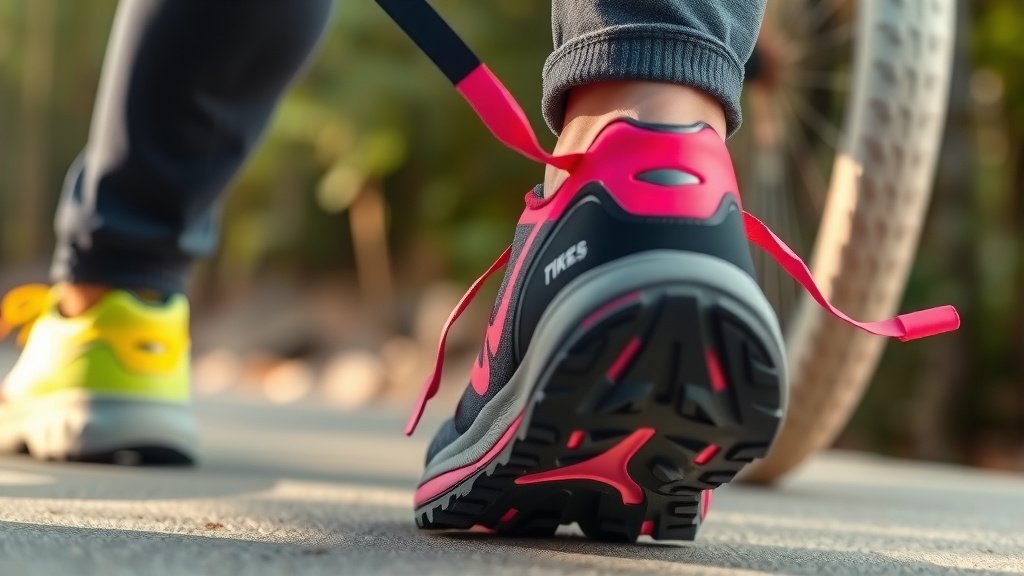
Understanding What Your Foot Strike Means
Once you’ve identified your pattern, you might wonder what it signifies. Many experts suggest that understanding this can help tailor your training and gear (American Academy of Orthopaedic Surgeons). While there’s no single “best” strike for everyone, some patterns are more common.
| Foot Strike Type | First Point of Contact | Common Characteristics |
|---|---|---|
| Heel Strike | Heel | Most common, can absorb impact well, sometimes lands out front. |
| Midfoot Strike | Middle of the foot | Balanced landing, distributes impact, feels efficient for some. |
| Forefoot Strike | Ball of the foot/toes | Springy, quick cadence, lands under the body. |
Remember, it’s okay to have a particular strike. The key is to see if it’s causing issues for you. Some research indicates that a forefoot or midfoot strike can lead to less impact force traveling up your leg compared to a heavy heel strike (NCBI).
Next Steps After Identifying Your Strike
So you know how you strike. What now? This knowledge is power. It allows you to make informed decisions about your running.
Consider Your Comfort and Pain
Are you experiencing any aches or pains when you run? Often, certain foot strikes can contribute to specific discomforts. For instance, some people find a heavy heel strike leads to shin splints. Others might feel Achilles tendon issues with a forefoot strike. Your body will often tell you if something isn’t working well.
When to Consider Adjustments
If you are injury-free and comfortable, you might not need to change anything! However, if you’re dealing with persistent issues or want to optimize your form, exploring adjustments can be beneficial. This might involve focusing on where your foot lands or your cadence. Many runners find improvements by focusing on landing their foot more underneath their body, regardless of strike type.
The Role of Running Shoes
Your footwear plays a role too. Different shoes are designed for different types of runners and strikes. For example, a shoe with a lower heel-to-toe drop might encourage a more midfoot or forefoot strike. Consulting with a running store professional can be helpful. They can often assess your gait and recommend suitable options.
Checklist: Confirming Your Foot Strike
- Gather a mirror or your phone.
- Find a clear, safe space to run.
- Observe yourself running gently.
- Note the very first point of foot contact.
- Repeat observations if unsure.
- Consider any running discomfort you experience.
You’ve taken a great step in understanding your body as a runner. Knowing your foot strike is a fantastic starting point for improving your running experience.
Conclusion
You’ve now learned how to pinpoint your running foot strike! Whether you’re a heel, midfoot, or forefoot striker, the key is understanding your unique pattern. We’ve seen that simple observation, like using your phone to record a video, is your best tool here. This knowledge is powerful. It can help you assess your current comfort and identify potential areas for improvement. Your next step is to apply this newfound awareness. Try out the observation methods we discussed and start noticing how your body moves when you run.
Frequently Asked Questions
Is my foot strike pattern permanent?
For most runners, your natural foot strike pattern is something you develop over time. While it’s possible to consciously adjust your strike, it requires practice and focus. It’s often more about understanding what you do naturally and assessing if it’s causing issues.
Will changing my foot strike stop pain?
Changing your foot strike *can* help reduce certain types of running pain, but it’s not guaranteed. Some pain is linked to specific landing patterns. However, other factors like shoe choice, training volume, or strength also play a big role.
Is there a “best” foot strike?
Research suggests there isn’t one single “best” foot strike for everyone. Many experts believe landing more underneath your body, regardless of whether it’s heel, midfoot, or forefoot, can be beneficial. Focus on what feels comfortable and pain-free for *you*.
How quickly can I tell my foot strike pattern?
You can usually determine your foot strike pattern quite quickly, often within a few minutes of observation. Using a video recording and replaying it in slow motion is typically the clearest way to see the initial point of contact.
Should I worry if I’m a heel striker?
Not necessarily. Heel striking is the most common pattern among runners, and many people run comfortably and injury-free this way. The important thing is to be aware of your pattern and listen to your body for any signs of discomfort or overuse.