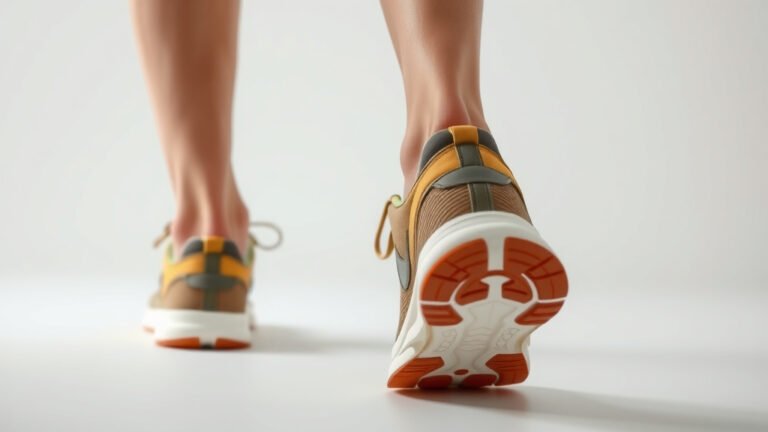
What is a Stable Cushioned Shoe? Your Guide
A stable cushioned shoe is designed to provide both softness and support. It helps control excessive inward rolling of your foot, known as pronation. This type of shoe balances shock absorption with stability features to keep your stride smooth. Many runners find them ideal for comfort on long runs or for those who need extra guidance for their feet.
Think of it as a shoe that cradles your foot while gently correcting its natural motion. It’s not overly stiff, but it offers enough structure to prevent your arch from collapsing too much. Research shows that a well-chosen stable cushioned shoe can help reduce the risk of common running injuries. They offer a happy medium for many foot types.
- What it is: A shoe offering soft cushioning plus motion control.
- Key benefit: It supports your foot to prevent over-rolling inward.
- Who it’s for: Runners needing comfort and mild pronation support.
- Why it helps: Reduces impact and guides your foot for a smoother gait.
Ready to learn more about finding the perfect stable cushioned shoe for your needs? Let’s dive into the details.
Understanding Stable Cushioned Running Shoes
So, you’re curious about what makes a stable cushioned shoe tick. Think of it as the goldilocks of running shoes. Not too firm, not too soft. It’s designed to give you a plush ride while still offering a helping hand. This shoe type is perfect for runners who need a bit more guidance for their feet. They want to feel comfortable mile after mile. They also want to avoid common aches and pains.
The main goal of these shoes is to balance shock absorption with stability. This means they soak up impact when your foot hits the ground. At the same time, they help control how much your foot rolls inward. This inward rolling motion is called pronation. For some runners, this pronation can be a bit excessive. Stable cushioned shoes aim to gently manage that. It’s about finding that sweet spot for your stride.
What Exactly Does “Stable” Mean Here?
When we talk about “stable” in this context, it refers to features that help guide your foot. It’s not about making the shoe stiff like a board. Instead, it means the shoe has elements that prevent your arch from collapsing too much. We’re talking about a controlled, supportive feel. It helps keep your foot aligned as you run or walk. This support is key for preventing discomfort and injuries.
Many experts suggest that controlled pronation can lead to a smoother gait. This means your foot moves through its natural motion more efficiently. Stable cushioned shoes often use denser foam on the inside edge of the shoe. They might also have a firmer heel counter. These design choices work together to offer that extra bit of support where you need it most. It’s like having a gentle guide for your foot’s journey. Understanding your foot type and gait is crucial for selecting the right stable cushioned shoe.
The “Cushioned” Factor: Comfort is Key
On the flip side, we have the cushioning. This is all about comfort and shock absorption. Running involves a lot of impact. Your feet hit the ground thousands of times per mile. Good cushioning helps to soften these impacts. It reduces the stress on your joints. This can make longer runs feel much more enjoyable. It also helps you recover faster after your runs.
You’ll find various types of cushioning materials in shoes. Some are softer, some are bouncier. Stable cushioned shoes typically use foams that are soft enough for comfort. But they are also firm enough to provide a stable base. This prevents your foot from sinking too deeply into the foam. That sinking feeling can sometimes lead to instability. The goal is a soft landing that still feels controlled and responsive. Research shows that proper cushioning can help reduce fatigue (NCBI). Consider memory foam insoles for added cushioning in your stable cushioned shoes.
Who Benefits Most from Stable Cushioned Shoes?
These shoes are a fantastic option for a wide range of runners. If you’ve ever experienced foot pain or shin splints, you might find relief. Many runners have a natural inward roll to their foot strike. This is called overpronation. Stable cushioned shoes are often recommended for these individuals. They help to guide the foot into a more neutral position.
Runners Who Overpronate
Overpronation is when your foot rolls inward excessively after it strikes the ground. This can put extra stress on your ankles, knees, and hips. Stable cushioned shoes help to counteract this inward roll. They provide a supportive structure. This structure gently encourages your foot to stay more aligned. It’s not about forcing your foot into an unnatural position. It’s about providing a steady platform.
Many podiatrists recommend stable cushioned shoes for runners with moderate overpronation. You can often tell if you overpronate by looking at the wear pattern on your old shoes. If the inner edge of the sole is heavily worn, that’s a sign. Even if you don’t know for sure, if you’ve struggled with certain running injuries, these shoes are worth considering. Many sources suggest they can help prevent injuries related to poor foot mechanics (Cleveland Clinic).
Neutral Runners Seeking Comfort
Even if you have a perfectly neutral stride, you can still benefit. Some neutral runners simply prefer the feeling of extra support. Especially on long runs or when they’re feeling fatigued. The cushioning provides comfort. The stability features offer a sense of security. It’s like having a reliable friend along for every run. They don’t interfere with your natural stride. They just provide a bit of extra peace of mind.
Think of it this way: sometimes, even the most efficient machines need a little guidance. For a neutral runner, a stable cushioned shoe offers that gentle nudge. It can help maintain good form when your muscles get tired. This can be a game-changer for preventing those late-run stumbles. It helps you finish your run feeling strong and confident.
Key Features to Look For
When you’re shopping for a stable cushioned shoe, a few things stand out. You’ll notice certain design elements. These are what give the shoe its specific properties. Understanding these will help you make a smarter choice. It ensures you get the right shoe for your feet.
Midsole Construction: The Heart of the Shoe
The midsole is where most of the magic happens. In stable cushioned shoes, you’ll often see dual-density foam. This means there are two different types of foam used. One is softer for comfort. The other is firmer and placed strategically. This firmer foam is usually on the medial side (the inner side of your arch). It helps slow down the rate of pronation.
You might also see other stability technologies. Some brands use plastic inserts or guide rails. These are designed to keep your foot centered. They prevent excessive rolling without feeling restrictive. We found that the combination of soft cushioning and targeted support is what truly defines these shoes.
Outsole Design and Upper Support
The outsole, the part that touches the ground, also plays a role. It needs to offer good traction. It also needs to be durable. For stability, the outsole might have a wider base. This naturally increases the shoe’s stability. It provides a more grounded feel.
The upper part of the shoe is made of mesh or fabric. It holds your foot in place. In stable cushioned shoes, the upper might have some reinforcing elements. These are often around the midfoot. They work with the midsole to provide a secure, supportive fit. It helps prevent your foot from sliding around inside the shoe. A good fit is essential for comfort and injury prevention.
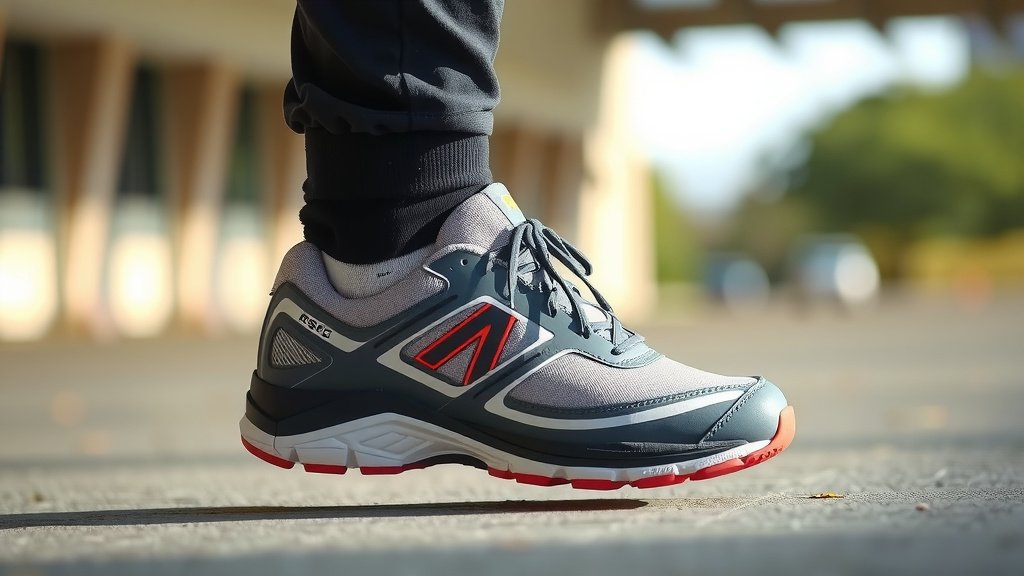
Comparing Stable Cushioned with Other Shoe Types
It’s helpful to see where stable cushioned shoes fit in the running shoe world. This helps you understand if they’re the right choice for you. Let’s briefly compare them to neutral and motion control shoes.
| Shoe Type | Primary Benefit | Best For |
|---|---|---|
| Neutral Cushioned | Maximum shock absorption and flexibility. | Runners with a neutral or high-arched foot that doesn’t roll inward excessively. |
| Stable Cushioned | Soft cushioning with mild support to control pronation. | Runners who overpronate slightly or want extra comfort and a guiding feel. |
| Motion Control | Maximum stability and support to limit severe overpronation. | Runners with very flat feet or severe overpronation who need the most structure. |
As you can see, stable cushioned shoes sit right in the middle. They offer more support than a pure neutral shoe. But they aren’t as rigid or controlling as a motion control shoe. This makes them a great option for a lot of runners. They provide a balance of comfort and guidance.
Quick Checklist for Choosing Your Shoes
Ready to find your perfect pair? Here’s a quick rundown to help you:
- Consider your foot type (flat, normal, high arch).
- Think about how your foot strikes the ground (do you overpronate?).
- Assess your past running shoe wear patterns.
- Prioritize comfort and a secure fit.
- Don’t be afraid to try them on and walk or jog a bit.
- Consult a running shoe specialist if you’re unsure.
Conclusion
You’ve learned that stable cushioned shoes offer a fantastic blend of softness and support. They’re designed to help control your foot’s inward roll, making your stride smoother and more comfortable. Whether you’re battling overpronation or simply seeking a more secure feel on your runs, these shoes can be a great fit. We found that understanding midsole construction and looking for dual-density foam can help you choose wisely. Your next step? Try on a pair and feel the difference for yourself. Your feet will thank you!
Frequently Asked Questions
Are stable cushioned shoes good for flat feet?
Yes, stable cushioned shoes can be a good choice for individuals with flat feet who tend to overpronate. The added support helps to prevent the arch from collapsing too much. Research suggests this can lead to a more balanced gait. They offer a comforting, guided experience for many foot types.
Can I wear stable cushioned shoes for walking, not just running?
Absolutely! While designed with runners in mind, stable cushioned shoes are excellent for walking too. The comfort and support they provide can make long walks more pleasant. We found many people appreciate the gentle guidance for everyday activities. They help reduce fatigue on your feet and joints.
How often should I replace my stable cushioned shoes?
Most experts recommend replacing running shoes, including stable cushioned ones, every 300 to 500 miles. You might also notice wear and tear sooner if you run frequently on varied terrain. Visible signs of wear or a loss of cushioning are also indicators. We advise keeping track of your mileage to ensure optimal performance and protection.
Will stable cushioned shoes feel stiff?
Generally, no. Stable cushioned shoes are designed to feel supportive, not stiff. They use softer foams for comfort while incorporating firmer elements strategically. The goal is a controlled, smooth ride. You should feel a soft landing with a stable base. We found they offer a pleasant balance for most users.
How do I know if I need stable cushioned shoes over neutral ones?
If your feet tend to roll inward excessively after landing (overpronation), you’ll likely benefit. Look at the wear pattern on your old shoes; heavy wear on the inside sole is a clue. You might also experience certain aches and pains. Consulting with a running shoe specialist can help you confirm if stable cushioned shoes are the right match for your gait.