How Cushioning Affects Your Running Performance
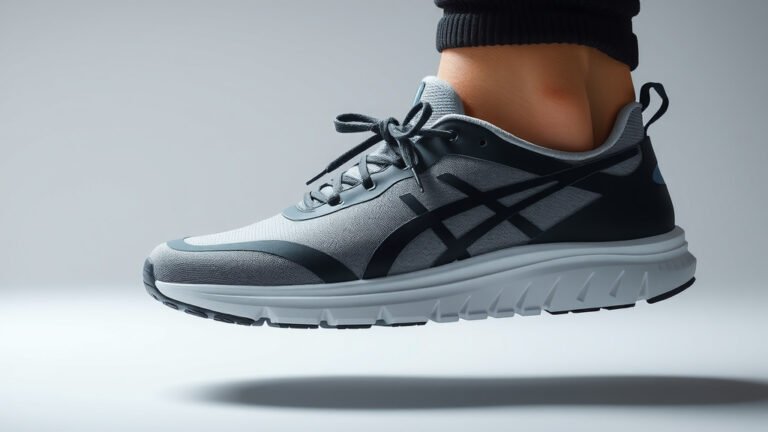
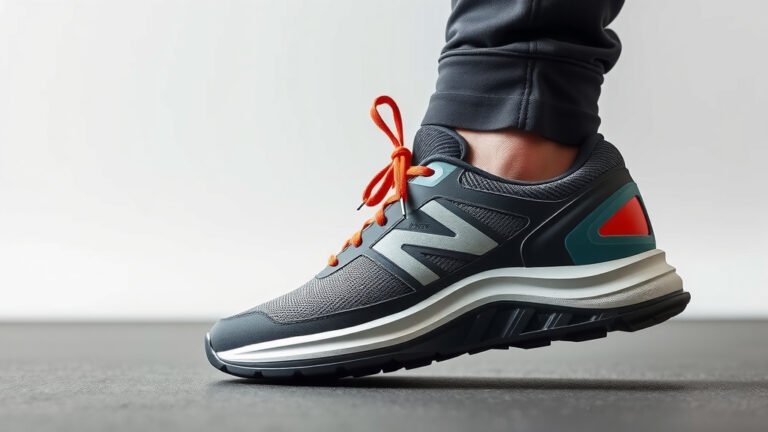
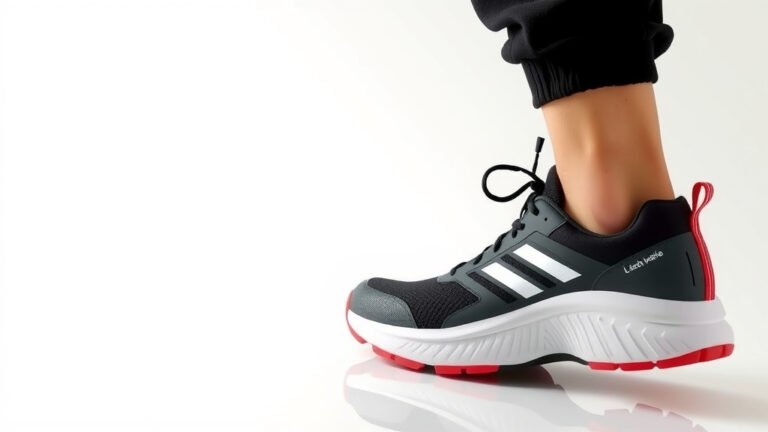
Yes, cushioning significantly affects your running by influencing how your feet absorb impact and how stable you feel. More cushioning can lead to a softer landing, potentially reducing stress on your joints. Less cushioning often means a more direct feel of the ground, which some runners prefer for a sense of connection and responsiveness.
The amount of cushioning in your running shoes plays a big role in your overall running experience. It impacts energy return, how much your foot might sink into the shoe, and even your running form. Finding the right balance is key to both comfort and performance for your unique stride.
- Cushioning impacts how your feet handle impact when running.
- More cushion offers a softer landing but can feel less responsive.
- Less cushion provides better ground feel but might mean more impact.
- The right amount depends on your personal running style and needs.
Let’s break down exactly how different levels of cushioning can change your run and what to look for when choosing your next pair of shoes.
You’ve got the basics down: cushioning matters. But what does it actually do for your run? It’s not just about feeling soft underfoot. Cushioning affects how your body handles the forces generated with every stride. Let’s get into the nitty-gritty.
How Cushioning Shapes Your Running Experience
Cushioning is your shoe’s way of softening the blow. It’s the first line of defense against impact. Think of it like the suspension in your car. It smooths out the bumps.
Impact Absorption: The Primary Role
When your foot hits the ground, a force is created. This force travels up your leg. Good cushioning helps to dissipate that force. It spreads it out. This can mean less stress on your joints like your knees and ankles.
Research shows that the impact force during running can be several times your body weight. Adequate cushioning helps reduce this peak force. This can be especially important for runners who are heavier or have joint issues (NCBI).
Comfort and Fatigue
A softer landing generally feels more comfortable. This can help you run longer before feeling tired. If your feet feel beat up early on, your whole run suffers. Proper cushioning keeps your feet happy.
Many runners find that more cushioned shoes help them feel less fatigued on long runs. This is because the shoes are doing some of the work of absorbing shock. Your muscles might not have to work as hard.
Ground Feel and Responsiveness
This is where things get interesting. Too much cushioning can make you feel disconnected from the ground. You lose that sense of “feel.” This is often called a loss of responsiveness.
When a shoe is very cushioned, your foot might sink into it. This can feel plush and comfortable. But it might also slow down your stride. You don’t get that quick “pop” back from the ground.
The Spectrum of Cushioning: From Barefoot Feel to Cloud-Like
Running shoes come with a wide range of cushioning levels. Understanding this range helps you pick the right shoe for you.
Minimalist and Barefoot-Style Shoes
These shoes offer very little cushioning. They aim to mimic the feeling of running barefoot. The goal is to strengthen your feet and ankles.
The advantage here is a very natural stride. You get excellent ground feedback. This can help improve your running form. However, they offer minimal impact protection. This is not ideal for everyone, especially beginners or those used to more support.
Moderate Cushioning
This is the sweet spot for many runners. These shoes provide a good balance. You get decent impact absorption without feeling like you’re running on marshmallows.
Shoes in this category often feel versatile. They work well for daily training runs. You get enough protection for comfort. You also retain a good sense of the road beneath you. This is a popular choice for a reason.
Maximalist Cushioning
These are the shoes with tons of cushioning. They are built for ultimate shock absorption and comfort.
Think of running on clouds. These shoes can feel incredibly soft. They can be great for long distances or for runners who want maximum protection. Some runners find they feel a bit bulky or less stable.
How Cushioning Affects Your Running Form
The type of cushioning in your shoes can subtly influence how you run. It’s not a magic bullet, but it plays a part.
Stride Mechanics
More cushioning might encourage a slightly longer stride. Your foot might land more towards the heel. This is because the soft foam helps absorb the impact of a heel strike. Less cushioning often promotes a midfoot or forefoot strike. This is a more natural landing for many.
Energy Return
Some modern cushioned shoes are designed with “super foams.” These foams are engineered to return energy. They compress and then spring back. This can give you a feeling of propulsion.
This energy return can make your runs feel easier. It’s like getting a little boost with each step. The amount of energy return varies greatly between shoe models and brands. It’s not just about softness; it’s about how the foam performs.

Factors to Consider When Choosing Cushioned Shoes
So, how do you pick the right amount of cushioning for *you*?
Your Body Weight
Heavier runners often benefit from more cushioning. The impact forces are higher. More foam helps to buffer these forces effectively. Lighter runners might find less cushioning sufficient and more enjoyable.
Running Surface
If you mostly run on hard surfaces like pavement, more cushioning can be a lifesaver. It protects your joints from repetitive pounding. For softer surfaces like trails, you might want less cushioning and more ground feel. If you run mostly on hard surfaces like pavement, more cushioning can be a lifesaver.
Your Running Goals and Experience
Are you training for a marathon? You might want more cushion for long miles. Are you a seasoned runner focused on speed? You might prefer a lighter, more responsive shoe with less cushion.
Personal Preference
Ultimately, how the shoe feels on your foot is most important. Do you like a soft, plush ride? Or do you prefer to feel connected to the ground?
| Cushioning Level | Feel | Pros | Cons |
|---|---|---|---|
| Minimal | Barefoot, Natural | Great ground feel, Promotes natural form | Little impact protection, Can be harsh on pavement |
| Moderate | Balanced, Versatile | Good comfort and protection, Responsive | May not be enough for very heavy runners or extreme distances |
| Maximal | Plush, Soft | Excellent shock absorption, Very comfortable for long runs | Can feel bulky, Less ground feel, May reduce responsiveness |
We found that many experts suggest trying on different shoes to see what feels best. Don’t be afraid to walk and jog around the store. You want a shoe that feels right from the start.
A Quick Checklist for Finding Your Cushioning Sweet Spot
Ready to find your perfect cushioning level? Keep these points in mind:
- Consider your typical running surface (road, trail, track).
- Think about your body weight and how it affects impact.
- What are your primary running goals (distance, speed, comfort)?
- Do you prefer a soft, pillowy feel or a firm, responsive feel?
- Always try shoes on and jog briefly to test the comfort.
- Listen to your body – what feels good for one person may not for another.
Conclusion
You’ve learned that cushioning isn’t just about comfort; it’s a key factor affecting how your body handles running impact. Finding the right level means balancing shock absorption with ground feel. Too much can make you feel disconnected, while too little might leave you feeling beat up. Your ideal cushioning depends on your weight, where you run, and what feels best for your stride. Don’t guess! Head to a running store, try on different options, and take them for a short jog. Your perfect shoe awaits, ready to support your next run.
Frequently Asked Questions
Does more shoe cushioning always mean less running injury?
Research doesn’t definitively say more cushioning prevents all injuries. While it helps absorb impact, focusing on good running form and listening to your body is just as important. Over-reliance on cushioning might even alter your natural gait.
Can highly cushioned shoes make my feet weaker?
Some believe that very cushioned shoes can reduce the need for your foot muscles to work as hard. This could potentially lead to weaker foot muscles over time if you exclusively use them. Incorporating runs in less cushioned shoes can help maintain foot strength.
How do I know if I need more or less cushioning?
Consider your running surfaces and how your body feels. If you run mostly on hard pavement and feel joint pain, you might benefit from more cushioning. If you prefer feeling the ground and have a natural stride, less might be better.
What’s the difference between “soft” cushioning and “responsive” cushioning?
Soft cushioning prioritizes comfort and shock absorption, feeling plush underfoot. Responsive cushioning, often found in performance shoes, uses advanced foams that return energy with each step, giving you a springier feel and quicker transition.
Should I change my cushioning level if I’m a beginner runner?
As a beginner, starting with moderate cushioning is often a good choice. It offers a balance of comfort and protection without being too minimal or too plush. This allows you to focus on building mileage and form.