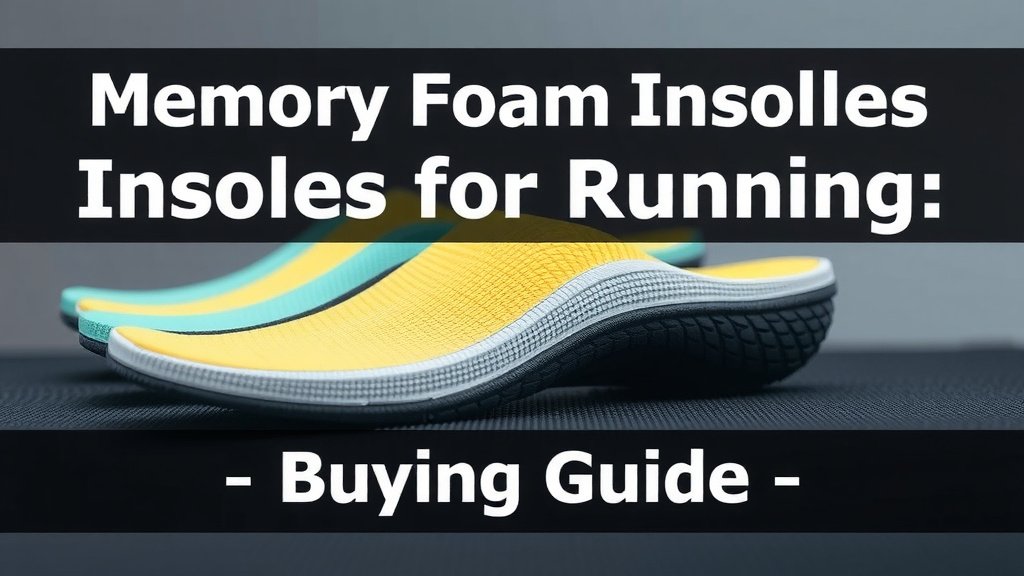
Memory Foam Insoles for Running: Your Buying Guide
Choosing memory foam insoles for running is about finding the right balance of cushioning and support for your feet. You want them to feel comfortable from the first step, reducing shock and preventing fatigue during your runs. Look for insoles with a good heel cup and decent arch support to keep your foot stable.
Memory foam insoles can make a big difference in your running experience. They provide that plush, comfortable feel many runners love. But it’s important to consider how they’ll work with your specific running style and shoe type. We found that the best ones feel soft yet responsive, not mushy.
- Look for good cushioning and arch support.
- Consider your running shoe type.
- Ensure a snug, comfortable fit.
- Don’t forget heel cup stability.
- Test them out if possible!
Ready to find the perfect memory foam insoles to boost your runs? Let’s walk through the key things to consider when making your choice.
Choosing the Right Memory Foam Insoles for Your Runs
Selecting memory foam insoles for running is all about finding that perfect blend of softness and support. You want something that feels great from mile one and helps keep your feet happy through your entire workout. We found that insoles with a well-designed heel cup and decent arch support are key for keeping your foot stable.
Understanding Memory Foam and Your Feet
Memory foam is fantastic for its ability to mold to your foot’s unique shape. This means it can offer a personalized cushion unlike other materials. But how does this translate to running? We’ve seen that the best memory foam insoles provide comfort without feeling overly mushy or unstable.
What Makes Memory Foam a Good Choice for Runners?
Memory foam is known for its shock absorption qualities. When you’re pounding the pavement, your feet take a beating. These insoles can help soak up some of that impact. This can lead to less fatigue and a more enjoyable run.
We found that the cushioning can be particularly helpful for runners who experience discomfort or soreness after their runs. It’s like giving your feet a little extra hug with every stride.
Potential Downsides to Consider
While memory foam offers great comfort, it’s not always the perfect fit for every runner. Some memory foam can be less breathable, potentially leading to hotter, sweatier feet. This is something to keep in mind, especially if you tend to run in warm weather.
Also, if you need a lot of firm support, pure memory foam might feel too soft. You might want to look for insoles that combine memory foam with other, more supportive materials. Research suggests that a balance of materials often provides the best results (American Podiatric Medical Association).
Key Features to Look For in Running Insoles
When you’re shopping, keep these important features in mind to make sure you’re getting the best for your runs.
Cushioning Level: Soft vs. Responsive
Memory foam comes in various densities. You’ll find very soft, plush options and others that feel a bit firmer and more responsive. For running, you generally want a balance. Too soft, and your foot might sink too much, leading to instability. Too firm, and you lose that signature memory foam comfort.
We found that insoles that offer a responsive feel are often better for running. This means they bounce back quickly after compression, helping to propel you forward rather than absorbing all your energy.
Arch Support: Finding Your Fit
Your arch type plays a big role in what kind of support you need. Do you have high arches, flat feet, or somewhere in between? Memory foam insoles often come with built-in arch support.
Neutral arches can typically get away with a wide range of support levels. Flat feet often benefit from more structured support to help control overpronation. High arches might need more cushioning to absorb shock, as the arch doesn’t distribute impact as effectively (Cleveland Clinic).
Look for insoles that mention their arch support type. Some are designed for neutral support, while others are more specific. We recommend checking product descriptions carefully.
Heel Cup Design: Stability Matters
The heel cup is the part of the insole that cradles your heel. For running, a well-defined heel cup is essential. It helps to stabilize your heel, preventing excessive side-to-side movement.
A deeper heel cup can offer more stability. This is especially important if you find your heel tends to slip in your shoes. We found that a good heel cup works hand-in-hand with arch support to keep your foot properly aligned.
Material Thickness and Durability
Memory foam insoles vary in thickness. Thicker insoles usually offer more cushioning. However, very thick insoles might make your running shoes feel too tight.
Consider the durability of the memory foam. High-quality memory foam tends to hold its shape longer. Cheaper versions can break down quickly, losing their supportive properties. Many experts suggest looking for insoles made with high-density memory foam for better longevity (National Institutes of Health).
Matching Insoles to Your Running Shoes
Not all insoles are created equal, and neither are running shoes. The type of shoe you wear can influence which insole is best.
Neutral Shoes vs. Stability Shoes
If you have a neutral running shoe, you have more flexibility. You can often use a memory foam insole with moderate arch support. If you have a stability shoe, it already has built-in support features. Adding an insole with aggressive arch support might feel like too much.
Trail Running vs. Road Running
For trail running, you might encounter uneven terrain. This can require a more stable insole. Some memory foam insoles offer added lateral support for these conditions. For road running, the focus is often on cushioning and shock absorption, which memory foam excels at.
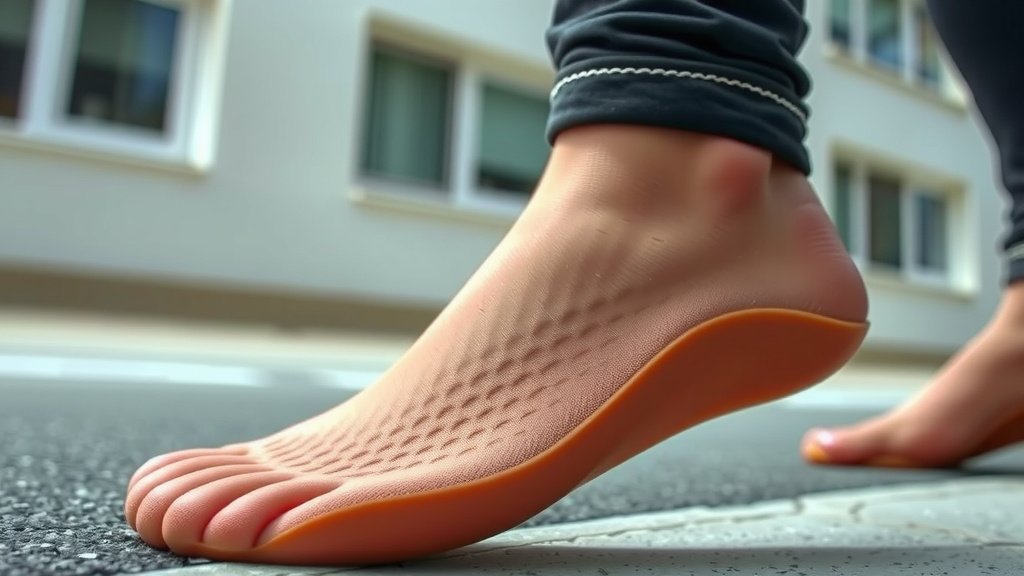
The Importance of Fit and Comfort
This might seem obvious, but a comfortable fit is non-negotiable. Even the best-designed insole won’t help if it feels wrong in your shoe.
Trimming Your Insoles for the Perfect Fit
Many memory foam insoles are designed to be trimmed to fit your specific shoe size. Most come with clear guidelines printed on the bottom. You’ll typically trace your existing shoe’s insole or use a size guide.
It’s better to trim a little at a time. You can always take more off, but you can’t add it back! We found that a clean, straight cut often prevents bunching or discomfort.
Testing Them Out: The Real Test
If possible, try to test out the insoles before committing. Some stores allow you to try them on with your shoes. A short walk around the store can give you a good idea of the initial feel.
Online reviews can also be very helpful. Look for feedback from other runners about how the insoles feel during activity and how they hold up over time.
Quick Checklist for Choosing Your Memory Foam Insoles
Here’s a quick rundown of what to focus on:
- Does the insole offer a good balance of soft cushioning and responsive support?
- Is the arch support suitable for your foot type (neutral, flat, high)?
- Does the heel cup seem deep enough to stabilize your heel?
- Is the thickness appropriate for your running shoes without making them too tight?
- Are there positive reviews regarding durability and comfort for running?
Conclusion
Choosing the right memory foam insoles can truly transform your running experience. Remember to focus on that sweet spot between plush cushioning and responsive support. Pay attention to the heel cup and arch support that best match your foot’s natural alignment. Don’t be afraid to trim them for a perfect fit inside your favorite running shoes.
Your next step? Take this checklist with you as you shop. Try to find insoles that tick all your boxes for comfort and stability, and get ready to hit the road or trail with renewed confidence!
Frequently Asked Questions
How do I know if memory foam insoles are right for my running style?
If you’re looking for enhanced shock absorption and a soft, comfortable feel underfoot, memory foam is a great choice. We found they can help reduce foot fatigue, especially on longer runs. However, if you require very firm, structured support, you might need insoles with a blend of materials.
Can memory foam insoles get too hot during a run?
Some memory foam can be less breathable than other materials, potentially leading to warmer feet. If this is a concern for you, look for memory foam insoles that explicitly mention enhanced breathability or ventilation features.
How do I choose arch support if I have flat feet or high arches?
For flat feet, seek insoles with good stability and structured arch support to help control overpronation. If you have high arches, prioritize cushioning to absorb impact, as your arch might not distribute shock as effectively.
Should I replace the insoles that came with my running shoes?
It’s often beneficial to replace stock insoles, especially if they feel thin or unsupportive. Aftermarket memory foam insoles can offer significantly better cushioning and tailored support than what most standard shoes provide.
How often should I replace my memory foam running insoles?
Memory foam insoles can lose their supportive qualities over time. Generally, you’ll want to consider replacing them every 300-500 miles, or when you notice a significant decrease in comfort or support during your runs.