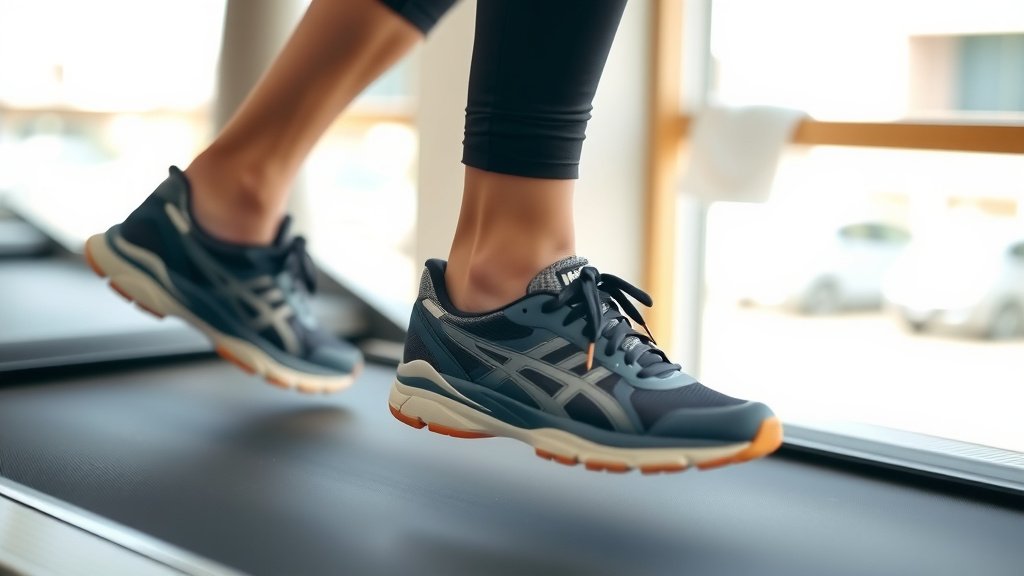
Treadmill Running Shoes: Do You Need Special Ones
No, you generally don’t need special shoes just for treadmill running. Your regular running shoes will likely do the trick perfectly fine. Many runners worry about needing specific footwear, but the truth is simpler.
Treadmill running is very similar to outdoor running. The main difference is the controlled surface. This means your shoes should still offer good cushioning and support. We found that the type of shoe you use outdoors is usually best for a treadmill too.
- Your current running shoes are likely fine.
- Focus on shoes offering good cushioning.
- Support is also important for comfort.
- You don’t need to buy a separate pair.
Let’s walk through exactly why your favorite running shoes will work so well on the treadmill.
“`htmlThinking About Treadmill-Specific Shoes? Here’s the Real Deal
So, you’re wondering if you need a special pair of shoes solely for your treadmill runs. It’s a common question! Many runners picture treadmills as a whole different beast requiring unique gear. But here’s the good news: you probably don’t.
Your trusty running shoes, the ones you love for pounding the pavement, are usually perfectly suited for the treadmill. Think of it like this: your favorite comfy sneakers are great for both walking around the park and navigating your local grocery store. The surface might change slightly, but the core need for comfort and support remains.
Why Your Regular Running Shoes Are Treadmill Stars
The treadmill offers a controlled and predictable surface. Unlike roads with potholes or trails with roots, the treadmill belt provides a consistent, forgiving landing. This consistency actually reduces some of the impact forces your feet experience outdoors. So, the very shoes designed to handle the tougher, varied terrains outside are more than capable of handling the smooth surface of a treadmill.
Cushioning: The Comfort Key
When we talk about shoes, cushioning is usually front and center. Treadmill running, while softer than concrete, still involves repetitive impact. Your shoes’ ability to absorb this shock is vital for comfort and injury prevention. Most modern running shoes, whether for road or trail, are engineered with excellent cushioning systems. These systems work just as effectively on the treadmill belt.
We found that the best cushioning for you depends on your personal preference and running style. Some runners prefer a plush, cloud-like feel, while others like a firmer, more responsive ride. Your current running shoes likely already offer the level of cushioning you prefer. You don’t need to seek out a different type just for the treadmill.
Support: Keeping You Aligned
Support is another critical element. Different runners need different levels of support based on their foot strike and arch type. Whether you need neutral support or stability features, your current running shoes are likely designed to provide what your feet need. The treadmill’s predictable motion means your support system can work efficiently without being thrown off by uneven surfaces.
Many experts suggest that maintaining consistency in your footwear is beneficial. If your current shoes support your biomechanics well outdoors, they’ll likely do the same indoors on the treadmill (Mayo Clinic). This consistency helps your body adapt and perform optimally.
Outdoor vs. Treadmill: What’s the Real Difference for Your Feet?
The primary difference is the surface itself. Outdoors, you encounter varied textures, inclines, declines, and potential hazards. Your outdoor shoes are built to handle this. They often have more durable outsoles with aggressive tread patterns for grip. They might also have reinforced uppers for protection.
On a treadmill, the belt is typically made of a rubbery material. It’s designed for smooth, consistent traction. Your outdoor shoes’ more aggressive tread might wear down slightly faster on the rubber belt than on asphalt. However, this is usually a minor concern and doesn’t negate the shoe’s effectiveness.
Treadmill Belt Grip vs. Shoe Tread
Do you need a special grippy shoe for the treadmill? Generally, no. The treadmill belt itself provides excellent grip. Your regular running shoes will grip it just fine. If you notice any slipping, it might be an issue with the treadmill’s belt needing adjustment or cleaning, rather than a problem with your shoes.
We observed that while some specialized shoes exist for specific activities, standard running shoes offer a good balance of grip and breathability. For treadmill use, breathability becomes even more important because the air circulation is often less than outdoors.
Wear and Tear: Are You Ruining Your Shoes?
A common worry is that treadmill running will wear out your favorite shoes faster. It’s true that any running causes wear. However, the consistent, smooth motion on a treadmill can sometimes lead to less uneven wear patterns compared to the varied stresses of outdoor running. So, while your shoes will wear, it’s not necessarily at an accelerated rate specifically because of the treadmill.
Many runners find that their shoes last just as long, if not longer, when used primarily on a treadmill. The lack of exposure to rocks, debris, and extreme weather conditions can actually help preserve them longer (CDC).
When Might You Consider Different Shoes?
While your current shoes are likely perfect, there are a few scenarios where you might think about a different pair. If you’re a very high-mileage runner, you might want a dedicated pair of shoes for the treadmill to preserve your favorite outdoor pair for races or important outdoor workouts. This is more about extending the life of your preferred shoes than needing a special treadmill shoe.
Another instance is if you’ve recently purchased new running shoes for outdoor use that you find less comfortable or supportive than you’d hoped. Those might not be the best choice for the treadmill either. It’s always about finding what works best for your body and comfort.
The “Minimalist” Treadmill Shoe Debate
Some might suggest minimalist shoes for treadmills, focusing on the idea of a more natural foot motion. While some runners prefer this, it’s not a requirement for treadmill running. If you’re accustomed to and enjoy a cushioned shoe, sticking with that is likely best for comfort and preventing strain.
For those who do prefer minimalist footwear, it’s important to ensure your feet are conditioned for it. Transitioning too quickly can lead to injury, whether on or off the treadmill (NIH). Your existing running shoes likely offer a moderate amount of cushioning, which is a safe middle ground for most people.
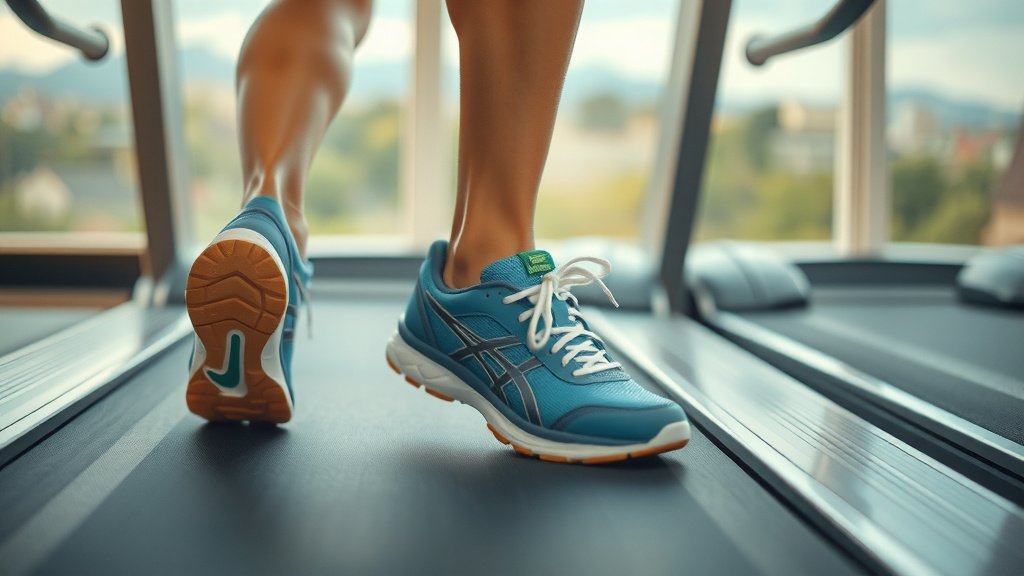
A Quick Checklist for Your Treadmill Footwear
Before you hit the treadmill, here’s a simple way to ensure your shoes are ready:
- Comfort Check: Do they feel good when you put them on?
- Support Assessment: Do they provide the arch and heel support you’re used to?
- Cushioning Feel: Do they absorb impact well for your stride?
- Fit Check: Is there enough room in the toe box for natural foot splay?
- No Discomfort: Do they cause any rubbing, pinching, or pain?
If your answers are ‘yes,’ then congratulations! You’ve got the perfect shoes for your treadmill sessions.
Comparing Shoe Types for Treadmill Use
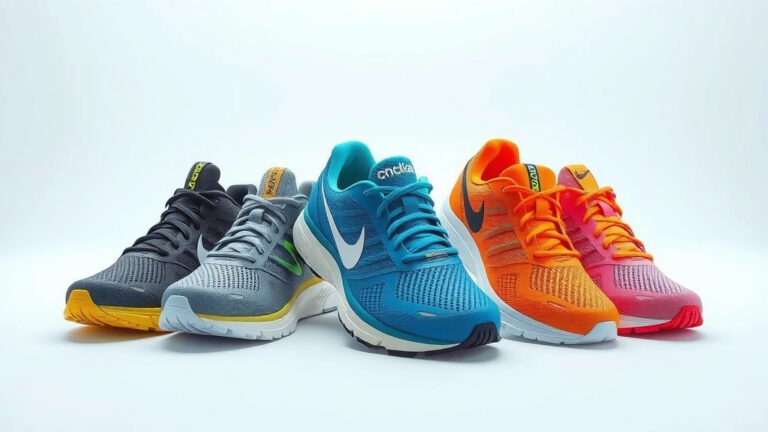
To help you visualize, let’s look at how common shoe types stack up for treadmill running. Remember, this is a general guide, and your personal experience is key!
| Shoe Type | Treadmill Suitability | Why it Works (or doesn’t) |
|---|---|---|
| Standard Road Running Shoes | Excellent | Good cushioning, support, and breathability. Designed for repetitive impact. |
| Trail Running Shoes | Good | Durable and supportive. Might have more aggressive tread than needed, causing slight faster wear on belt. |
| Stability Running Shoes | Excellent | Provide extra support for overpronation, working well on consistent surfaces. |
| Minimalist/Barefoot Shoes | Depends on runner | Suitable if you are accustomed to them. Less cushioning may be felt more on a treadmill over time. |
| Cross-Training Shoes | Fair | Designed for lateral movement and stability. May lack the forward-focused cushioning needed for long treadmill runs. |
As you can see, your everyday road running shoes are typically your best bet. They hit that sweet spot for most treadmill users.
“`Conclusion
You’ve learned that special shoes aren’t necessary for your treadmill runs. Your trusty outdoor running shoes are usually your best bet. They offer the cushioning and support your feet need on the consistent treadmill surface. Focus on comfort and proper fit, and you’ll be good to go. Ready to hit the treadmill? Lace up your favorite pair and enjoy your workout!
Frequently Asked Questions
Will my old running shoes still work on a treadmill?
Yes, your old running shoes can definitely work on a treadmill as long as they still provide adequate cushioning and support. If they’re worn out and no longer comfortable for outdoor runs, they might not be ideal for treadmill use either.
Do I need more grip for treadmill shoes?
Generally, no. Treadmill belts are designed to provide excellent grip. Your regular running shoes will offer sufficient traction, and adding excessive grip isn’t typically necessary and might even cause faster wear on the belt.
How can I tell if my current shoes are good for the treadmill?
Check if your shoes feel comfortable, offer good shock absorption, and support your arches properly. If they feel good on a short outdoor jog, they will likely feel great on the treadmill.
Will treadmill running wear out my shoes faster than road running?
It’s unlikely that treadmill running will wear out your shoes significantly faster. In some cases, the consistent surface can lead to more even wear patterns compared to varied outdoor terrain.
What’s the biggest difference between running shoes for outdoors vs. treadmills?
The main difference is the outsole tread. Outdoor shoes often have more aggressive treads for varied surfaces and weather, while treadmill shoes might have a smoother tread. However, your outdoor shoes are perfectly suitable for the treadmill’s smooth belt.