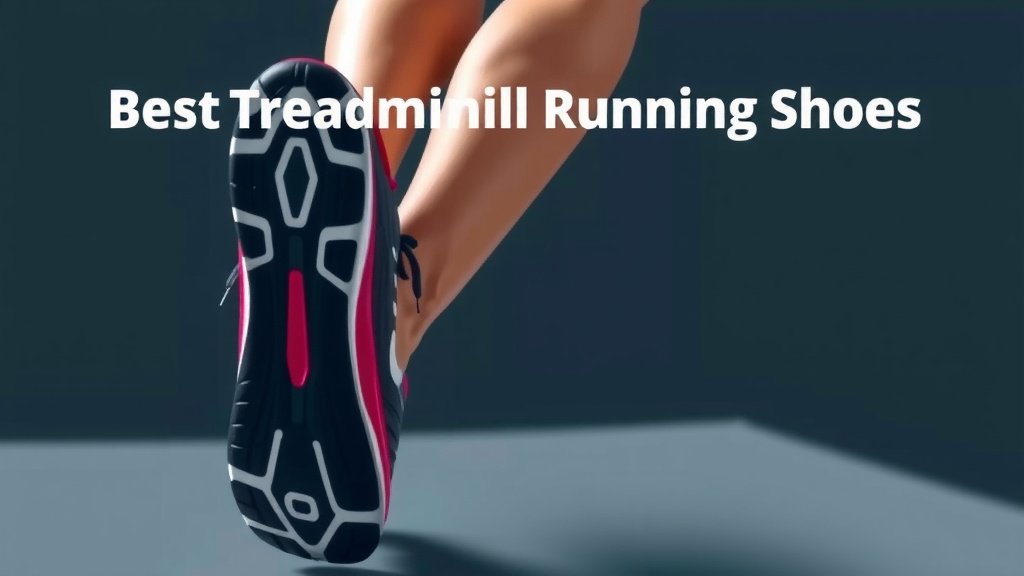
Best Treadmill Running Shoes: Your Ultimate Guide
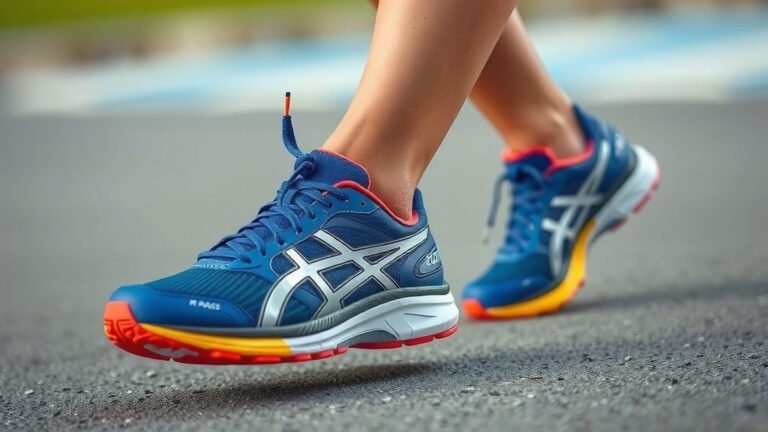
Choosing the right running shoe for a treadmill is all about finding a balance between cushioning and support. You want a shoe that feels good on your feet and helps prevent discomfort during your runs. Look for options with good shock absorption to protect your joints from the repetitive impact of treadmill running. The best treadmill running shoes will also offer a comfortable, snug fit without being too tight.
While many road running shoes work well on a treadmill, some features are more important than others. You’ll want to consider your foot strike and any specific needs, like arch support or overpronation control. Think about how often you run and the intensity of your workouts. A shoe that provides both a soft landing and a stable platform can make a big difference in your overall running experience.
- Focus on cushioning for shock absorption.
- Consider your foot type for proper support.
- Ensure a comfortable, secure fit.
- Think about your running frequency and intensity.
- Road running shoes often work well.
Let’s walk through exactly what to look for to find your perfect pair of treadmill running shoes.
Finding Your Perfect Treadmill Running Shoe
Selecting the right running shoes for your treadmill workouts is an important step. It can help keep your runs comfortable and protect your body. You’re looking for a shoe that feels great and performs well on the consistent surface of a treadmill.
Understanding Treadmill Running Shoe Needs
The Unique Demands of Treadmill Running
Treadmills offer a consistent, predictable surface. This is different from outdoor running. The belt moves beneath you. This can change how your foot strikes the ground. It also means less variation in impact. Many experts note that treadmills can sometimes feel softer than roads. However, the repetitive motion still puts stress on your feet and joints. You need shoes that can handle this consistent pounding. Think of it like running on a firm, springy track every time. We found that good cushioning is key here.
Cushioning: Your Joint’s Best Friend
When you run, your body experiences impact. Proper cushioning absorbs much of this shock. This is especially true on a treadmill where every step is the same. Research from the American Academy of Podiatric Sports Medicine suggests that adequate cushioning can reduce stress on your lower legs and feet. Look for shoes with a thick midsole. This layer between the outer sole and your foot does the heavy lifting. It’s like running on clouds, but with a bit of bounce back. You want enough cushion to feel soft, but not so much that you feel unstable.
Support: Keeping You Aligned
Beyond cushioning, support is crucial. Your foot type plays a big role here. Do you have high arches, flat feet, or something in between? The right support helps your foot move naturally. It prevents your foot from rolling too far inward (overpronation) or outward (supination). Many podiatrists recommend shoes that match your specific arch type. For example, those with flatter feet might need shoes with more stability control. We found that stability shoes often have features to guide your foot’s natural motion.
Key Features to Look For
Midsole Technology: The Cushioning Powerhouse
The midsole is where most of the magic happens. Brands use various foams and materials to create their cushioning. Some are very soft and plush. Others offer a firmer, more responsive feel. For treadmills, a moderate level of cushioning is often ideal. You want it to be soft enough to absorb impact. But it shouldn’t feel mushy or slow. We found that many popular running shoe brands offer excellent midsole options. Look for terms like EVA foam or proprietary cushioning systems. These are usually good indicators of quality.
Outsole: Grip and Durability
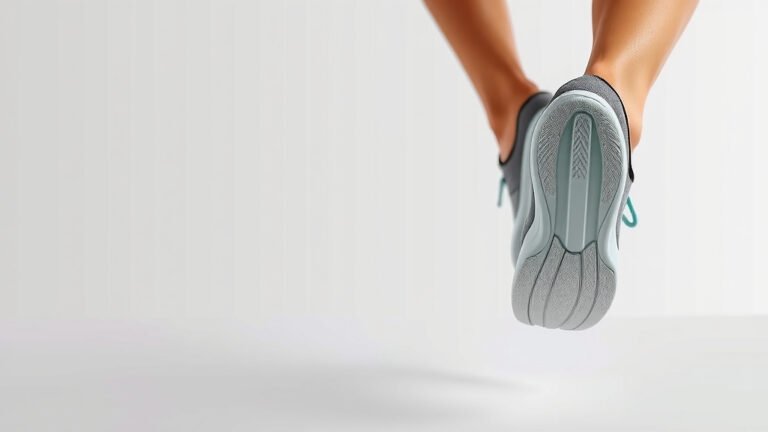
The outsole is the bottom part of the shoe. It provides traction. On a treadmill, you don’t need deep treads for loose terrain. A flatter, grippier outsole is often sufficient. This helps you maintain good contact with the moving belt. Durability is also important. Treadmill running can wear down shoes over time. A well-made outsole will last longer. Many road running shoes have outsoles that work perfectly well on treadmills. You’re less likely to encounter rocks or debris indoors.
Upper Construction: Comfort and Breathability
The upper part of the shoe wraps around your foot. It needs to be comfortable and secure. Breathability is a big plus for treadmill running. Your feet can get warm and sweaty, especially during longer runs. Mesh uppers are common and allow air to circulate. This helps keep your feet cool and dry. The fit should be snug but not tight. You don’t want your toes crammed together. Make sure there’s enough room to wiggle them. A secure heel counter also prevents your foot from slipping.
Choosing Based on Your Foot Type and Gait
Understanding Your Arch Type
Your arch type is a primary factor. A simple “wet test” can help you figure this out. Wet your foot and step onto a piece of paper. If you see most of your arch, you likely have flat feet. If you see only your heel and the ball of your foot, you have high arches. If you see a clear curve with a distinct band of the arch, you have a neutral arch. This information is key for selecting the right support. Many shoe stores offer gait analysis to help you determine this.
Neutral vs. Stability Shoes
For neutral arches, neutral shoes are often best. These shoes offer cushioning and support without extra corrective features. They allow your foot to move naturally. If you overpronate (your foot rolls inward too much), stability shoes are recommended. These shoes have features like a denser foam on the inside edge of the midsole. This helps to guide your foot and reduce excessive inward rolling. For those who supinate (foot rolls outward), neutral shoes with plenty of cushioning are usually the way to go. We found that stability shoes are a common choice for many treadmill runners.
Gait Analysis: A Helpful Tool
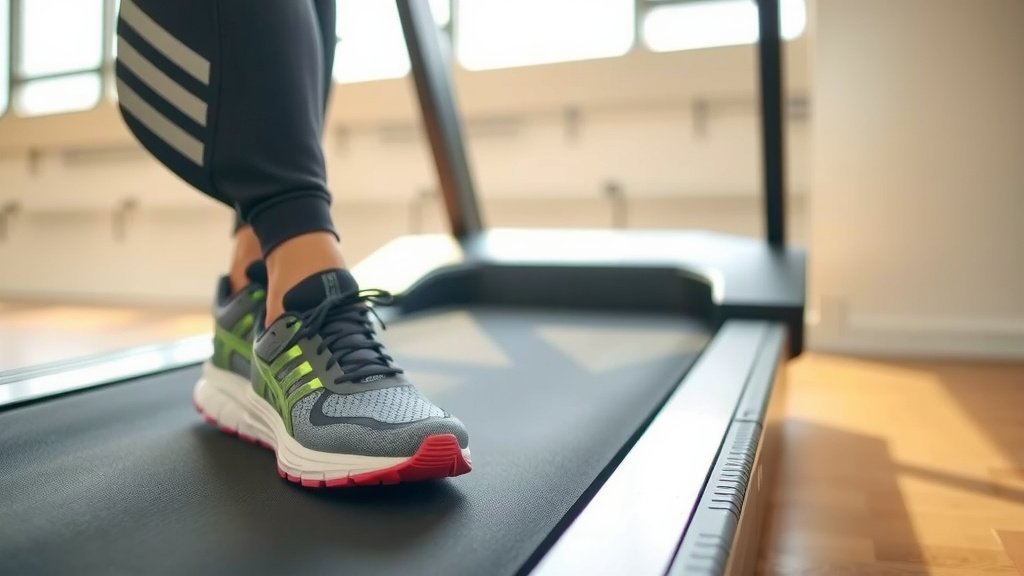
Consider getting a gait analysis. Many specialty running stores offer this service. They watch you walk or run on a treadmill. They can then recommend shoes that suit your biomechanics. This can be incredibly helpful, especially if you’re unsure about your foot type or pronation. It’s like having a mini-biomechanics check-up for your feet. This personalized approach can prevent discomfort and potential injuries down the line. The Cleveland Clinic often highlights the importance of proper footwear for injury prevention.
The Role of Your Running Style and Goals
Impact of Running Frequency and Intensity
How often and how hard you run matters. If you’re running short, moderate distances a few times a week, a well-cushioned neutral shoe might be perfect. If you’re training for a race or running long distances frequently, you might need more advanced cushioning and support. Higher intensity workouts can also benefit from shoes that offer a bit more responsiveness. Think about your weekly mileage. This will help you gauge the durability and level of support you require.
Fit is King: The Final Check
No matter the features, the shoe must fit well. Try them on at the end of the day when your feet are slightly swollen. Wear the type of socks you typically run in. There should be about a thumb’s width of space between your longest toe and the end of the shoe. The heel should feel secure, and the midfoot should feel snug but not constricting. Walk around in them. Do they pinch anywhere? Do they feel comfortable? If something feels off, they’re probably not the right shoe for you. This is non-negotiable!
Treadmill Shoe Checklist
- Check the Cushioning: Does it feel soft enough for impact absorption?
- Assess the Support: Does it match your arch type and gait?
- Confirm the Fit: Is there enough room, and does it feel secure?
- Test the Breathability: Will the upper keep your feet cool?
- Consider Your Goals: Do the shoes match your running frequency and intensity?
- Try Them On: Never buy without trying them for comfort.
Conclusion
Finding the perfect treadmill running shoe boils down to understanding your personal needs. You’ve learned how important cushioning is for shock absorption and how the right support keeps you aligned, especially considering your arch type and gait. Remember, a secure and comfortable fit is non-negotiable for enjoyable miles. By considering these elements and your running style, you’re well on your way to a more comfortable and effective treadmill workout. Take this knowledge to your local running store and try on a few pairs – your feet will thank you!
Frequently Asked Questions
Can I use my regular outdoor running shoes on a treadmill?
Yes, you generally can use your outdoor running shoes on a treadmill. Most road running shoes offer the cushioning and support needed for treadmill workouts. Just be aware that the treadmill belt is a more consistent surface, so you might notice slightly different wear patterns or sensations compared to outdoor running.
How much cushioning do I really need for treadmill running?
You’ll want enough cushioning to absorb the repetitive impact of running indoors. Look for shoes with a substantial midsole layer that feels soft but not overly mushy. This will protect your joints and provide a more comfortable ride during your workouts.
What if I have flat feet – what kind of treadmill shoe should I look for?
If you have flat feet, you likely overpronate. You should look for stability shoes. These shoes have features, like denser foam on the inside of the midsole, designed to guide your foot and prevent excessive inward rolling, helping you maintain better alignment.
How do I know if a shoe fits correctly for treadmill running?
Ensure there’s about a thumb’s width of space between your longest toe and the end of the shoe when you’re standing. Your heel should feel snug and secure, and the midfoot should feel comfortably held without pressure points. Wiggle your toes freely – they shouldn’t feel cramped.
Does breathability really matter for treadmill shoes?
Absolutely. Your feet tend to get warmer on a treadmill because there’s less natural airflow than outdoors. Shoes with mesh uppers allow for better air circulation, helping to keep your feet cooler, drier, and more comfortable during your runs.