Fix Your Running Form: The Shoe’s Role Explained
Yes, you absolutely can correct your running form with the right shoes. Your footwear can influence your stride, offering support and cushioning to guide your feet. Choosing the correct running shoes is a key step toward improving how you run and potentially reducing discomfort.
Running shoes are designed with specific features to help. They can promote a more natural foot strike and better alignment. We found that wearing the Understanding your foot strike is key to picking the best running shoes.right pair can make a real difference in your overall running experience.
- Shoes can guide your foot placement.
- They offer support for a better stride.
- Proper fit is essential for comfort.
- They can help correct common running issues.
Let’s walk through exactly how selecting and using the right running shoes can help you fine-tune your form.
How to Improve Your Running Form with the Right Shoes
Your running shoes are more than just foot coverings. They’re tools that can help you run better. We found that the right pair can guide your feet and promote a more natural stride. Let’s see how.
Understanding Shoe Types and Your Foot Strike
Different shoes are built for different ways you land. Your foot strike is where your foot first hits the ground when you run. Knowing this can help you pick the perfect shoe.
Neutral Shoes and Midfoot/Forefoot Strikers
Neutral shoes are pretty standard. They offer good cushioning and flexibility. Many runners who land on their midfoot or forefoot do well in these. This type of shoe won’t try to force your foot to do anything specific. It just supports your natural motion.
Stability Shoes and Overpronators
If your foot rolls inward a lot after landing, you might be an overpronator. Stability shoes have features to help control this. They often have firmer foam on the inside arch. This helps guide your foot to a more neutral position. Many experts say this can reduce stress on your joints (National Institute of Arthritis and Musculoskeletal and Skin Diseases).
Motion Control Shoes for Severe Overpronation
For runners with very significant overpronation, motion control shoes are an option. These offer maximum support. They are generally stiffer and heavier. They can help keep your foot aligned properly throughout your stride. Many physical therapists recommend these for specific biomechanical needs.
How Shoe Features Influence Your Stride
Beyond just stability, other shoe features play a role. The way a shoe is designed can gently nudge your form in the right direction.
Cushioning and Impact Absorption
Think of cushioning like tiny shock absorbers for your feet. Good cushioning can soften the impact of each step. This is especially helpful if you’re a heel striker. It can reduce the force traveling up your legs. We found that ample cushioning often leads to less fatigue over longer runs.
Heel-to-Toe Drop
This is the difference in height between the heel and the forefoot of the shoe. A higher drop (10-12mm) can encourage a more traditional stride. It might feel more natural if you’re used to it. A lower drop (0-4mm) can encourage landing more on your midfoot or forefoot. This can feel more like running barefoot. Changing your drop too quickly isn’t always a good idea, though. It’s best to make gradual changes (American Academy of Orthopaedic Surgeons).
Shoe Flexibility
A shoe that flexes with your foot allows for natural movement. If a shoe is too stiff, it can fight your foot’s natural bending. This might alter your stride without you even realizing it. You want a shoe that bends where your foot bends, typically at the ball of your foot.
Choosing the Right Fit: It’s More Than Just Size
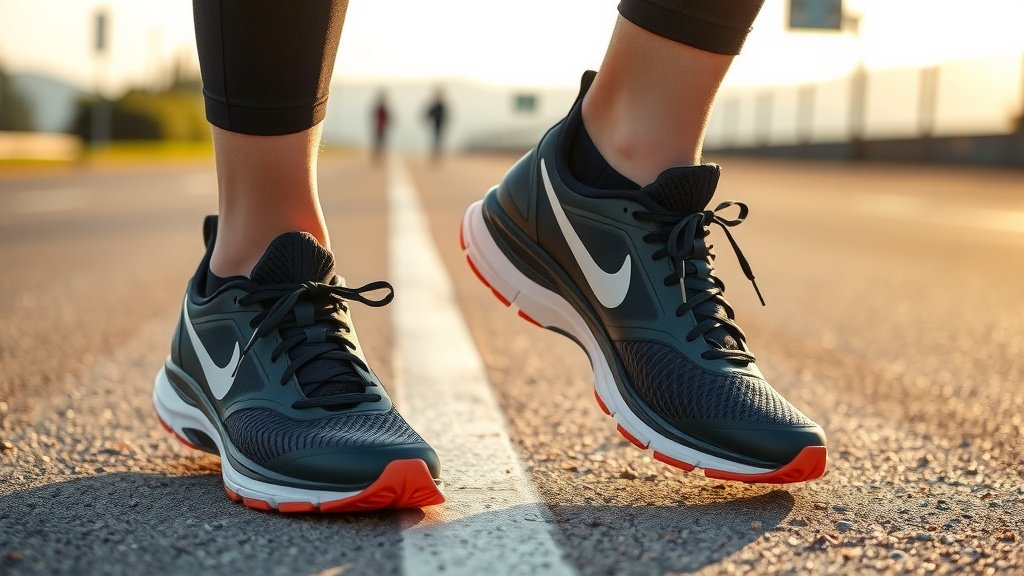
Even the best shoe won’t help if it doesn’t fit right. A poor fit can cause blisters, pain, and even alter your natural gait. We’ve learned that proper fit is non-negotiable.
The Importance of Toe Box Room
Your toes need space to splay. When you run, your feet naturally expand. A cramped toe box can force your toes to curl or cramp. This can lead to a number of foot issues. Make sure you can wiggle your toes freely. Many running stores recommend about a thumb’s width of space.
Heel Lock and Midfoot Security
Your heel should feel secure, not slip. Your midfoot should feel comfortably snug, not tight. If your heel slips, it can cause blisters and an unstable ride. If your midfoot is too tight, it can restrict blood flow and cause discomfort.
Try Them On at the Right Time
Your feet swell throughout the day, especially after activity. It’s best to try on running shoes later in the day or after a run. This way, you’ll get a more accurate feel for the fit when your feet are at their largest.
Using Your Shoes to Refine Your Form: A Practical Checklist
Once you have the right shoes, how do you actually use them to improve? It’s a process of listening to your body and being mindful.
- Wear your new shoes for shorter runs first.
- Pay attention to how your feet land.
- Notice any new aches or pains.
- Ensure your shoes feel supportive throughout your run.
- Adjust your lacing for a better fit if needed.
- Don’t be afraid to go back to the store if they aren’t right.
We’ve seen that when shoes work with your body, not against it, improvements happen naturally. It’s like having a supportive coach right on your feet. Remember, shoes are a tool, not a magic fix. Your body still does the hard work!
Conclusion
You now understand how the right running shoes can be a powerful ally in refining your running form. We’ve seen how different shoe types cater to various foot strikes and how features like cushioning and heel drop can influence your stride. Remember, a proper fit is the foundation for all of this. Your shoes are tools designed to support your body’s natural motion. The next step is to put this knowledge into practice. Visit a specialty running store to get properly fitted and start your journey toward a more comfortable and efficient run.
Frequently Asked Questions
Can I fix my running form just by buying new shoes?
While the right shoes are a fantastic tool, they aren’t a magic fix on their own. They can guide your feet and offer support, but improving form also involves your body’s mechanics and conscious effort. You’ll get the best results by combining the right footwear with mindful running.
What if I don’t know my foot strike or pronation type?
That’s completely common! The best way to find out is to visit a specialty running store. They often have staff who can analyze your gait on a treadmill. They’ll look at how your foot lands and rolls. This analysis helps them recommend the most suitable shoe for you.
How quickly should I expect to see changes in my running form?
Be patient with yourself. It takes time for your body to adapt to new footwear and any subtle changes in your stride. You might notice some differences within a few runs, but significant improvements can take weeks or even months. Listen to your body and don’t rush the process.
Is it okay to switch from a shoe with a high heel-to-toe drop to a low one?
Switching drop levels can change how you land, but it’s best done gradually. A sudden change can put new stress on your calf muscles and Achilles tendon. Try easing into it by wearing your new low-drop shoes for shorter runs first. Gradually increase the distance as your body adjusts.
My new shoes feel a little different. Should I be worried about new aches or pains?
It’s normal to feel a slight difference as your feet get used to new shoes and potentially a refined stride. However, sharp or persistent pain is a warning sign. If you experience discomfort that doesn’t go away, it’s a good idea to revisit the running store or consult a healthcare professional.