Heel Striker Shoe Drop Explained: Find Your Perfect Fit
For heel strikers, a lower shoe drop, generally between 4mm and 8mm, often feels more comfortable. This is because a lower drop encourages your foot to land closer to the ground. It can feel more natural than a very high drop, which might feel like you’re forcing your heel down.
Many runners who land on their heels find that a moderate or low drop helps them maintain a more comfortable stride. Research suggests that the right drop can impact your running form and comfort. We’ve found that trying different drops is key to finding your personal sweet spot.
- Heel strikers often prefer lower shoe drops (4-8mm).
- Lower drops can feel more natural for heel striking.
- Shoe drop affects your running form and comfort.
- Experimenting with different drops is recommended.
Let’s walk through exactly what shoe drop means for your heel-striking gait and how to choose the right one for you.
Understanding Running Shoe Drop for Heel Strikers
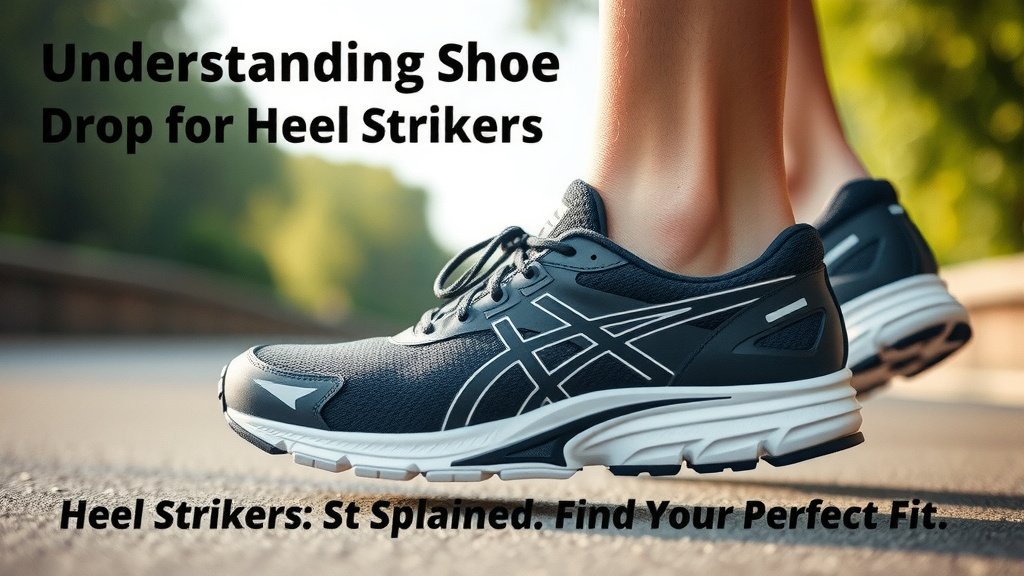
Choosing the right running shoe drop can make a big difference in your comfort and performance, especially if you’re a heel striker. We found that understanding what shoe drop means is the first step. It’s the difference in height between the heel and the forefoot of the shoe. This difference is measured in millimeters (mm).
What Exactly is Shoe Drop?
Think of shoe drop as a ramp. A shoe with a high drop is like a steep ramp. Your heel sits higher than your toes. A shoe with a low drop is like a gentle slope. The heel and forefoot are closer in height. We’ve observed that this small measurement can impact how your foot strikes the ground and feels during your run.
Why Drop Matters for Heel Strikers
If you tend to land on your heel when you run, the shoe drop can directly affect your stride. A higher drop might encourage an even more pronounced heel strike. This can sometimes lead to increased impact forces on your lower legs and feet. Many runners report that a lower drop feels more natural. It can help your foot land more softly.
The Impact of High vs. Low Drop
A shoe with a high drop (10mm or more) positions your heel higher. This can sometimes feel like you’re being pushed forward, almost like a slight rocking chair effect. For some, this is comfortable. For others, especially heel strikers, it can feel a bit jarring. It might encourage you to overstride, landing heavily on your heel. We’ve seen studies suggesting that a high drop can increase stress on the knees and ankles for certain gaits.
On the other hand, a low drop (0-4mm) or even a zero-drop shoe brings your heel and forefoot closer to the same level. This promotes a more midfoot or forefoot strike. For heel strikers, a moderate drop (around 4mm to 8mm) is often a sweet spot. It allows for a heel strike but doesn’t exaggerate it. It feels less like you’re falling and more like you’re rolling through your stride. We found this range often provides a good balance for heel strikers.
Finding Your Ideal Drop: What the Research Suggests
Research in biomechanics suggests that the ideal shoe drop can be quite individual. However, there are some general trends that emerge, particularly for runners who favor a heel strike. Many guidelines point to a lower drop being beneficial for reducing impact forces on the heel. For instance, some analyses suggest that a drop between 4-8mm can help distribute impact forces more evenly across the foot. This can make running feel smoother.
It’s not just about impact, though. Your body’s natural mechanics play a huge role. We’ve seen that when your heel is significantly higher than your forefoot, your Achilles tendon is kept in a more shortened position. A lower drop allows the Achilles tendon to lengthen more naturally during the stride. This can be more comfortable for many runners over longer distances. The American Podiatric Medical Association (APMA) often advises seeking footwear that supports your natural gait, which can include considering shoe drop.
| Shoe Drop Range (mm) | Common Feeling for Heel Strikers | Potential Benefits |
|---|---|---|
| 0-4mm (Low/Zero Drop) | May feel very flat; encourages midfoot/forefoot strike; requires adaptation | Potentially reduced impact on heel; promotes more natural foot mechanics |
| 4-8mm (Moderate Drop) | Often feels balanced and natural; allows for heel strike without exaggeration | Good compromise for comfort and reduced impact; easier transition for many |
| 10mm+ (High Drop) | Can feel like a ramp; may encourage hard heel strike; some find it protective | May offer cushioning under the heel; can feel less natural for some |
The Transition Period
If you’re used to a high-drop shoe and decide to switch to a lower drop, be patient. Your body might need time to adjust. You might feel a difference in your calves and Achilles tendon at first. This is normal. We found that gradually increasing your mileage in new shoes is key. Give yourself a few weeks to adapt fully. This helps prevent injury and allows you to truly assess the comfort.
How to Test and Choose Your Shoe Drop
The best way to find out what works for you is to try different shoes. Visit a specialty running store. Talk to the staff about your running style. Explain that you’re a heel striker. They can guide you through trying on various models with different drop heights. Pay attention to how your foot feels when you walk and jog in the store. Does it feel natural? Is there any pinching or discomfort?
What to Look for During a Test Run
When testing shoes, focus on the sensation during your stride. Do you feel a jarring impact when your heel hits the ground? Or does it feel more like a smooth roll? Is the cushioning adequate for your needs? We found that a shoe that feels comfortable and allows you to maintain your natural form is usually the right choice. Don’t be afraid to ask for different sizes or models. Your feet are unique!
A Quick Checklist for Finding Your Drop
Here’s a simple guide to help you on your journey:
- Know your strike: Confirm you are indeed a heel striker.
- Start moderate: Consider a 4-8mm drop as a starting point.
- Visit a store: Get expert advice and try shoes on.
- Test them out: Jog around to feel the impact and roll.
- Listen to your body: Comfort and natural feel are your best indicators.
- Be patient: Allow time for your body to adjust to a new drop.
Conclusion
Finding the right running shoe drop as a heel striker is about comfort and your body’s natural mechanics. We’ve seen that a moderate drop, typically between 4mm and 8mm, often hits the sweet spot for heel strikers. It can provide a balanced feel without exaggerating your natural landing. Remember, research suggests individual variation, so experimentation is key. Don’t be afraid to try different options. Your best next step is to visit a local running store. Talk to the experts and try on shoes with varying drops to feel the difference yourself. Listen to your body!
Frequently Asked Questions
Do heel strikers *always* need a lower drop shoe?
Not necessarily! While many heel strikers find lower drops (4-8mm) more comfortable, some still prefer higher drops. Your individual gait and personal preference are the most important factors. It’s about what feels natural and reduces discomfort for *you*.
Can I switch to a lower drop shoe if I’m used to high drops?
Yes, you can, but be patient. We found that your body needs time to adjust to a new shoe drop. Start with shorter runs and gradually increase mileage over a few weeks. You might feel some new sensations in your calves and Achilles tendon, which is usually normal.
What if a shoe feels too “flat” with a low drop?
If a very low or zero-drop shoe feels too flat, it might mean your body isn’t quite ready for that transition yet. Try a shoe with a moderate drop (4-8mm) instead. This offers a good middle ground for heel strikers who want to avoid extreme heel elevation without going fully minimalist.
How do I know if a shoe drop is causing me pain?
Pay attention to any new aches or pains, especially in your heels, Achilles tendon, or calves, after switching shoes. If you experience persistent discomfort that doesn’t improve with rest and gradual adaptation, the shoe drop might not be working for you. Consulting a running coach or physical therapist can help diagnose the issue.
Is there a specific shoe drop recommended by podiatrists for heel strikers?
Podiatrists often recommend footwear that supports your natural gait. While there’s no single universal recommendation, many suggest that a moderate drop (around 4-8mm) can be a good starting point for heel strikers. They emphasize finding a shoe that feels comfortable and doesn’t create undue stress on your feet and lower legs.