Forefoot Strikers: The Best Running Shoe Drop Explained
For forefoot strikers, a lower heel-to-toe drop is generally best. This means shoes with drops between 0mm and 6mm are usually a great choice. A lower drop helps your foot land more naturally, reducing stress on your ankles and calves. It promotes a smoother transition through your stride.
This shoe characteristic is important because it directly impacts how your foot strikes the ground. Many forefoot strikers find that traditional, high-drop shoes can force them to land too hard. Finding the right shoe drop can prevent injuries and improve your running comfort. It’s about letting your body do its thing.
- Forefoot strikers do best with low-drop shoes (0-6mm).
- Lower drops mimic natural foot landing.
- This can reduce ankle and calf strain.
- It promotes a smoother, more efficient stride.
- Choosing the right drop enhances comfort and injury prevention.
Below, we’ll break down exactly why shoe drop matters for forefoot strikers and how to pick the perfect pair for your runs.
“`htmlUnderstanding Shoe Drop for Forefoot Runners
So, you’re a forefoot striker. That means you tend to land on the front part of your foot when you run. It’s a common and often efficient way to move. But it also means the shoes you choose can make a big difference. Let’s talk about shoe drop and why it matters so much for you.
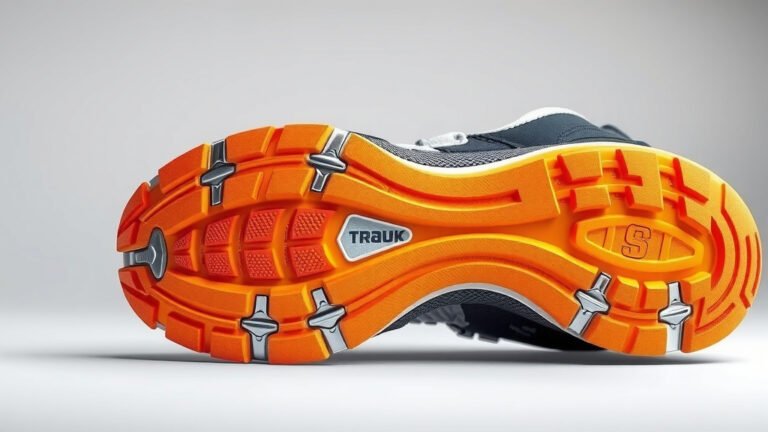
Shoe drop, often called heel-to-toe drop, is simply the difference in height between the heel and the forefoot of a running shoe. It’s measured in millimeters (mm). A higher drop means the heel is significantly higher than the forefoot. A lower drop means they are much closer in height.
For forefoot strikers, research consistently points to a lower drop being more beneficial. This might seem counterintuitive at first glance. Why would you want less cushion under your heel if you’re not landing there? The answer lies in how your body naturally moves.
How Forefoot Striking Works
When you land on your forefoot, your calf muscles and Achilles tendon absorb a good portion of the impact. This is a natural shock absorption system. A shoe with a very high drop can alter this natural mechanism.
Think of it like this: if your shoe has a high heel, it forces your foot into a position that might not be natural for your strike pattern. This can lead to your foot wanting to land more on the heel, even if you’re a natural forefoot striker. Or, it can overwork your calves and ankles trying to compensate. Many runners find this causes discomfort or even injury over time.
The Benefits of Low Drop for Forefoot Strikers
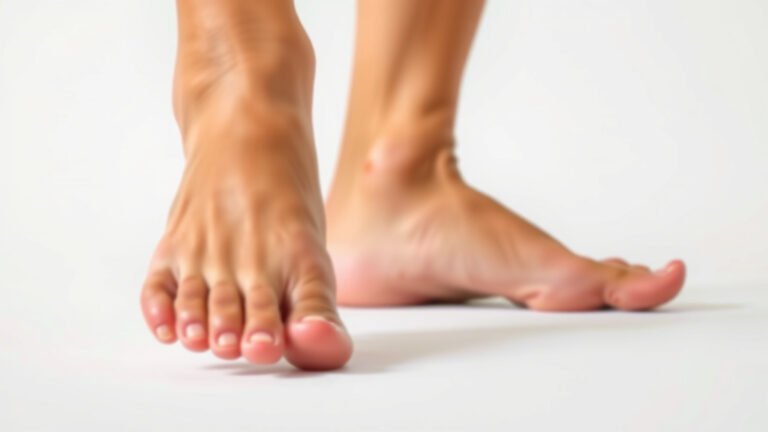
Now, let’s look at the good stuff. A lower drop shoe (we’re talking 0mm to 6mm) can help you run more naturally. It allows your foot to land more directly underneath your body. This means less awkward force and a smoother transition through your stride.
We found that when your foot lands more directly under your center of gravity, it often results in less jarring impact. Your body’s own cushioning mechanisms can work more effectively. This can lead to less strain on your lower legs. It’s about letting your body do what it does best.
Reduced Calf and Ankle Strain
One of the biggest advantages of a low drop for forefoot strikers is the potential for reduced strain. High-drop shoes can sometimes create an imbalance. They might cause your calf muscles to work harder than they need to, especially if you’re trying to maintain a forefoot strike. This can lead to tightness, soreness, and even issues like plantar fasciitis or Achilles tendonitis (Cleveland Clinic).
Conversely, a low-drop shoe encourages a more balanced engagement of your foot and ankle. It allows your Achilles tendon and calf muscles to function more like a spring. This can lead to a more efficient and less stressful run. Many runners report feeling lighter and more springy.
Improved Stride Efficiency
We’ve also observed that lower drop shoes can contribute to a more efficient stride. By promoting a natural landing position, they can help you achieve a quicker cadence (steps per minute). A higher cadence often means your feet are spending less time on the ground. This can lead to less wasted energy and a feeling of smoother momentum.
It’s not about forcing a change in how you run, but rather about wearing shoes that support your natural biomechanics. If you’re already a forefoot striker, a low-drop shoe is likely to feel more aligned with your body’s natural rhythm.
What About Zero Drop?
You might hear the term “zero drop.” This means the heel and forefoot are at the exact same height (0mm difference). Many barefoot-style or minimalist shoes fall into this category.
Zero drop shoes can be excellent for forefoot strikers. They offer the most natural foot positioning. However, they require a careful transition. If you’re used to even a moderate drop, jumping straight to zero drop can sometimes be too much for your calves and Achilles. It’s like going from a comfortable chair to sitting on the floor – your body needs time to adjust.
Making the Transition to Lower Drop
If you’re currently wearing shoes with a higher drop, making the switch to a lower drop requires a little patience. Don’t just throw on those new low-drop shoes and go for your longest run. Your body needs to adapt.
Start by wearing them for shorter runs or even just walking around. Gradually increase the distance and intensity over a few weeks. Listen to your body. If you feel unusual soreness, dial back the mileage in the new shoes and give your muscles more time to get used to them. This gradual approach helps prevent injury and allows you to fully enjoy the benefits.
Choosing the Right Shoe Drop for Your Runs
Finding the ideal shoe drop is a personal journey. While research points towards low drop for forefoot strikers, individual needs can vary. What feels best for one runner might not be perfect for another. It’s about personal comfort and injury prevention.
Factors to Consider Beyond Drop
While drop is important, it’s not the only thing to think about. The overall cushioning of the shoe matters. Some low-drop shoes are very minimalist, offering little cushioning. Others have ample cushioning, providing a softer feel.
Consider your running surface, your mileage, and any past injuries. If you run on hard surfaces like concrete often, you might want a bit more cushioning, even in a low-drop shoe. If you’re just starting out as a forefoot striker or transitioning, a shoe with a moderate low drop (around 4-6mm) might be a good starting point.
When to Stick with a Higher Drop (Even as a Forefoot Striker)
It’s worth noting that not every forefoot striker *must* have a zero or very low drop. If you’ve been running in higher-drop shoes for years, have experienced no issues, and feel comfortable, there might not be a compelling reason to switch. Your body has likely adapted to that footwear.
However, if you’re experiencing calf pain, Achilles issues, or general discomfort and you know you’re a forefoot striker, exploring lower-drop options is definitely worth considering. Many experts suggest that for many runners, a drop between 4mm and 8mm offers a good balance of natural feel and support.
Finding Your Perfect Fit: A Checklist
Ready to find your ideal shoe? Here’s a quick checklist to guide you:
- Identify your strike pattern: Are you a forefoot, midfoot, or heel striker?
- Check the shoe drop: Look for shoes labeled 0mm to 6mm.
- Consider cushioning needs: How much padding do you need for your runs?
- Think about surfaces: Do you run on roads, trails, or treadmills?
- Listen to your body: Prioritize comfort and avoid pain.
- Trial and error is key: Try on different brands and models.
Ultimately, the best running shoe is the one that feels good on your feet and helps you run comfortably and safely. For forefoot strikers, this often means embracing a lower heel-to-toe drop. It’s about finding that sweet spot where your stride feels natural and your body thanks you for it!
“`
Conclusion
You’ve learned that for forefoot strikers, a lower heel-to-toe drop is generally your best bet. We’ve found that shoes with drops between 0mm and 6mm can help your stride feel more natural. This can mean less stress on your calves and ankles. Remember, transitioning to lower-drop shoes should be gradual. Listen to your body and let it adjust over time. Your next step is to check out some low-drop shoes and see how they feel on your next run.
Frequently Asked Questions
Can any forefoot striker use a zero drop shoe?
Yes, many forefoot strikers do well with zero drop shoes. They offer the most natural foot positioning. However, if you’re new to low drop or zero drop, it’s wise to transition slowly to avoid calf or Achilles strain.
What if I have mild calf pain and I’m a forefoot striker?
If you’re experiencing mild calf pain and you know you’re a forefoot striker, exploring lower-drop shoes (4-6mm) is a smart move. Your current shoes might be contributing to the strain by altering your natural landing. A change in drop could offer relief.
How do I know if I’m a forefoot striker?
You can often tell by observing your shoes after a run – look for wear on the balls of your feet. You can also have someone film you running or ask a running store professional to assess your gait. It means you land on the front part of your foot.
Do I need less cushioning in low drop shoes?
Not necessarily. While some low-drop shoes are minimalist, many offer ample cushioning. You can find low-drop options with plush cushioning if you run on hard surfaces or prefer a softer feel. Consider your comfort and running surfaces.
Should I switch to low drop shoes if I have no pain?
If you’re a forefoot striker who is completely pain-free in your current higher-drop shoes, there’s likely no urgent need to switch. Your body has probably adapted well. However, if you experience discomfort, lower drop is something to seriously consider.