What Is the Outsole of a Running Shoe Explained
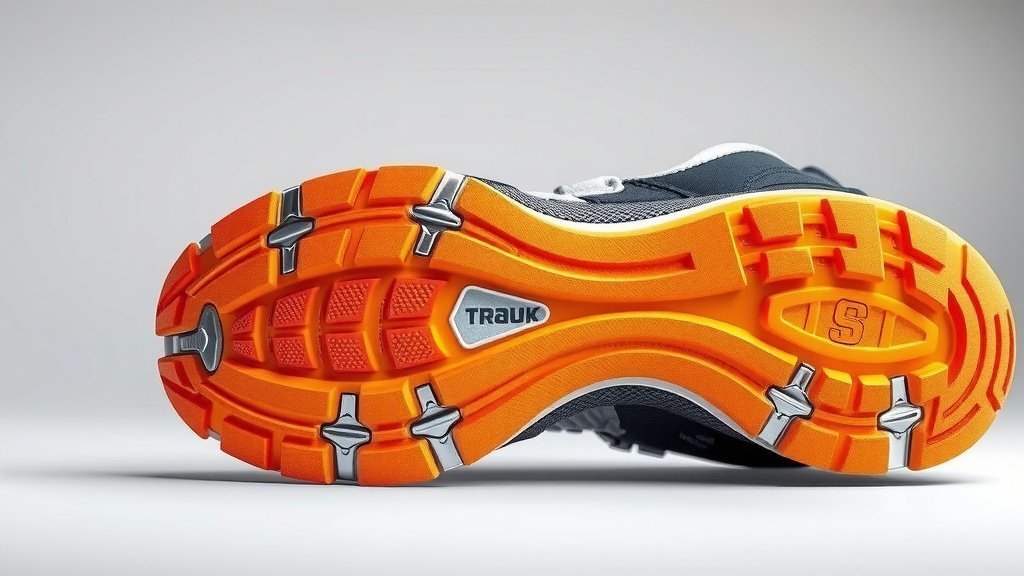
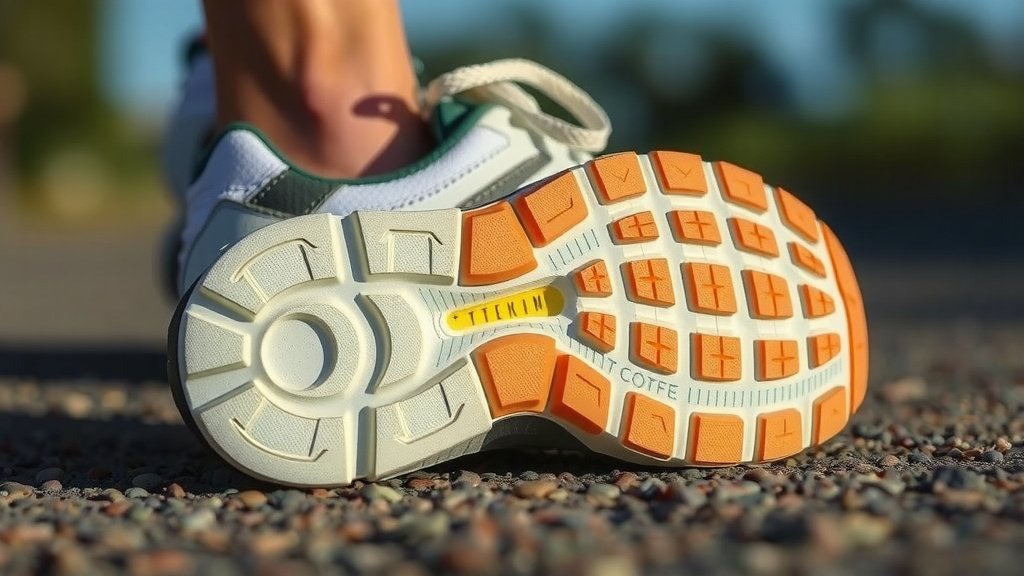
The outsole of a running shoe is the bottom layer that touches the ground. It’s primarily designed for traction and durability, helping you grip the road or trail. Think of it as your shoe’s handshake with the earth – it needs to be a good one!
This part of the shoe plays a big role in how your run feels. A well-designed outsole can improve your stride and prevent slips. We found that different materials and tread patterns are used to meet various running needs, from speed to stability. It’s where the magic of grip happens.
- The outsole is the shoe’s bottom grip layer.
- It’s made for traction and lasting use.
- It impacts your run’s feel and safety.
- Different designs serve different running styles.
Ready to see what makes the outsole so important for your runs? Let’s break down its key features and why they matter.
Understanding the Running Shoe Outsole
The outsole is the very bottom part of your running shoe. It’s the layer that makes direct contact with the ground as you run. Think of it as the tire of your car; it’s designed for grip and to handle the wear and tear of the road. This layer is critical for how your shoes perform. We found that its design directly impacts your traction, durability, and even your stride. It’s more than just a piece of rubber; it’s engineered for your movement.
What Your Outsole Does for You
Your outsole has a few main jobs. Its primary purpose is to give you traction. This means it helps you grip the surface you’re running on. Good traction prevents slips and slides, especially on wet or uneven terrain. It also provides durability. Running puts a lot of stress on your shoes. The outsole is built to withstand this constant friction and impact. We’ve observed that a durable outsole means your shoes will last longer and continue to provide reliable performance. Lastly, it contributes to your shoe’s cushioning and support. While not its main role, the thickness and material of the outsole can affect how much shock your feet absorb.
Traction: Your Grip on the Ground
Traction is probably the most obvious function of the outsole. You want your feet to feel secure with every step, right? The outsole is engineered to provide this. It uses various patterns and materials to bite into the running surface. This grip is what allows you to push off powerfully and maintain control. Many running shoes feature specific tread patterns, like lugs or grooves, designed to channel away water or debris. This keeps the rubber in contact with the ground. We found that a good outsole can make a big difference in your confidence on the run, especially in challenging conditions.
Durability: Standing Up to the Miles
Running miles add up quickly. Your outsole takes a beating with every stride. It’s constantly rubbing against pavement, trails, or tracks. Therefore, manufacturers use tough, abrasion-resistant materials for this layer. Common materials include carbon rubber, blown rubber, or specialized compounds. Carbon rubber is known for its hardness and durability, often used in high-wear areas. Blown rubber is lighter and more flexible, adding cushioning. We found that the right combination of materials can significantly extend the lifespan of your running shoes. A shoe with a worn-out outsole won’t provide the support or traction you need.
Materials Used in Outsoles
The materials chosen for an outsole play a huge role in its performance. They affect grip, durability, weight, and flexibility. Different types of running demand different materials. What works for a trail runner might not be ideal for a road racer.
Carbon Rubber
This is a very tough and durable rubber. It’s often found in the heel of running shoes. This is where most runners experience the most heel-strike impact and wear. Carbon rubber offers excellent resistance to abrasion. We found that shoes with carbon rubber outsoles tend to last longer. However, it can be a bit heavier and less flexible than other options. It’s a workhorse material built for the long haul.
Blown Rubber
Blown rubber is made by injecting air into the rubber compound. This makes it lighter and more flexible than carbon rubber. It also provides extra cushioning. Blown rubber is often used in the forefoot area of the shoe. This is where you get a lot of toe-off action. We’ve observed that shoes using blown rubber feel bouncier and more responsive. It’s a great choice for adding comfort without adding too much weight.
Specialty Compounds
Beyond the basics, many brands develop their own proprietary rubber compounds. These are engineered for specific performance characteristics. Some might focus on extreme grip for wet conditions. Others might aim for maximum energy return or superior durability. Many experts say these specialized compounds can offer a unique feel. We found that comparing these proprietary materials often comes down to personal preference and the type of running you do.
Outsole Tread Patterns and Their Purpose
The pattern on the bottom of your shoe isn’t just for show. These treads are strategically designed to enhance performance. They interact with the ground to provide stability and grip. The shape, depth, and spacing of these patterns matter a lot.
Road Running Outsoles
For road running, the outsole typically has a flatter profile. You’ll see fewer aggressive lugs. The goal is maximum surface contact with the pavement. This ensures smooth transitions and good grip on hard, consistent surfaces. You might see shallow grooves designed to help with flexibility. We found that road shoe outsoles prioritize durability and a smooth ride. They are built to handle the repetitive impact of asphalt.
Trail Running Outsoles
Trail running outsoles are quite different. They feature deeper, more aggressive lugs. These lugs act like cleats on a soccer shoe. They dig into softer surfaces like dirt, mud, and gravel. This provides superior traction on uneven and unpredictable terrain. The spacing of the lugs is also important. Wider spacing helps prevent mud and debris from getting stuck between them. We observed that trail outsoles are built for grip and stability on challenging trails. They might sacrifice a little bit of road comfort for rugged performance. We observed that trail outsoles are built for grip and stability on challenging trails.
Hybrid and All-Terrain Outsoles
Some shoes aim to be versatile. They might have outsoles with a mix of lug depths and patterns. These are often called hybrid or all-terrain outsoles. They try to offer a balance between road comfort and trail grip. We found that these can be a good option if you run on various surfaces. They might not be the absolute best at any one thing. But they offer a solid compromise for a mixed running routine.
A Quick Outsole Checklist for Your Next Pair
When you’re picking out your next pair of running shoes, keep these outsole points in mind. They can help you make a more informed choice based on your needs.
- Check the material: Is it tough carbon rubber for durability, or lighter blown rubber for cushioning?
- Examine the tread: Are the lugs deep and aggressive for trails, or flatter for roads?
- Consider your running surface: Will you be mostly on pavement, trails, or a mix?
- Look for wear patterns: Are there reinforced areas in high-wear spots?
- Feel the flexibility: Does the outsole bend naturally with your foot?
- Trust your gut: Does the grip feel secure when you walk around in the store?
Conclusion
You now know that your running shoe’s outsole is much more than just a bottom layer. It’s the engineered interface between you and the ground, providing essential traction for safe movement and durability to withstand countless miles. We’ve seen how different materials like carbon and blown rubber, along with varied tread patterns, cater to specific running needs, from slick city streets to rugged trails. Understanding these components helps you choose shoes that will perform best for your unique running style. For your next pair, pay close attention to the outsole’s design and materials to ensure you get the grip and longevity you deserve.
Frequently Asked Questions
How do I know if my running shoe outsole is worn out?
You can tell your outsole is worn out if the tread pattern is significantly smoothed down or if you see bald spots. Another sign is a loss of traction; you might start slipping more easily, especially on wet surfaces. We found that visible thinning or tears in the rubber are also clear indicators that it’s time for a new pair.
Can the outsole affect my running form?
Yes, the outsole can influence your running form. A shoe with adequate traction can help you feel more secure, potentially leading to a more efficient stride. Conversely, a worn-out or inappropriate outsole might cause you to alter your mechanics to compensate for a lack of grip or stability. We’ve observed that the right outsole can support your natural foot movement.
What’s the difference between road and trail outsoles for grip?
Road outsoles typically have flatter surfaces with shallower grooves for maximum contact on pavement. Trail outsoles feature deeper, more aggressive lugs designed to dig into softer ground like dirt or mud for superior grip. We found that this difference is key for preventing slips on their intended terrains.
Will a thicker outsole always mean more cushioning?
Not necessarily. While outsole thickness can contribute to cushioning, it’s not the sole factor. The type of rubber compound used and the shoe’s midsole construction play larger roles in shock absorption. We’ve seen that blown rubber in the outsole can add cushioning, but the midsole foam is usually the primary source.
Can I use trail running shoes on the road?
You can, but it’s generally not ideal. Trail shoes have aggressive lugs that can wear down quickly on abrasive road surfaces and might feel stiff or less comfortable for road running. We found that road shoes offer better durability and a smoother ride for pavement. Using trail shoes on roads might shorten their lifespan and impact your running experience.