Understanding the Running Shoe Midsole: Key to Your Comfort
The midsole is the cushioning layer found between the shoe’s upper and outsole. It’s the part of your running shoe that absorbs shock and provides comfort. Think of it as the engine of your shoe’s support system, working hard with every stride.
Many runners overlook the midsole, but it’s vital for performance and injury prevention. Research shows the midsole’s construction directly impacts how a shoe feels and protects your feet. It’s where much of the magic happens to keep your legs feeling fresh.
- The midsole is the shock-absorbing layer.
- It sits between the upper and the outsole.
- Its main job is to cushion your steps.
- It plays a big role in running comfort.
- Different materials create different feelings.
Let’s dive into what makes up this important part of your running shoe and why it matters so much for your runs.
Understanding the Midsole: Your Running Shoe’s Secret Weapon
So, what exactly is this midsole we keep talking about? It’s the thick, often spongy layer nestled right between the fabric upper you see and touch, and the rubbery outsole that grips the road. Think of it as the shock absorber for your entire body.
This layer is built to compress and rebound with every step you take. It’s where the magic of cushioning happens. Without a well-designed midsole, your runs would feel much harsher. You’d likely experience more fatigue and discomfort. We found that its design is key to a runner’s happy feet.
The Materials That Make the Midsole Work
The material a midsole is made from has a huge impact. It dictates how soft or firm your shoe feels. It also affects how much energy return you get. Different brands use various foams and compounds. They mix and match them to create unique ride experiences.
EVA Foam: The Classic Choice
Ethylene-vinyl acetate, or EVA, is a common material. It’s a lightweight, flexible foam. EVA offers good cushioning and shock absorption. It’s been a staple in running shoes for decades. Many runners love its reliable feel.
EVA can be engineered in different densities. A firmer EVA provides more stability. A softer EVA offers plush comfort. Some shoes might even use a blend of densities. This creates zones of support and softness. We found that EVA is a workhorse material for good reason.
Polyurethane (PU): For a Firmer Ride
Polyurethane is another option. PU foam is generally denser than EVA. This means it offers a firmer feel underfoot. It’s also more durable and resistant to breakdown. Some runners prefer this firmness for better ground feel.
PU midsoles can also provide a more responsive ride. They tend to be less squishy than EVA. This can be great for runners who want a more direct connection to the pavement. They might also last longer than some EVA foams. We found that PU offers a different, often firmer, cushioning experience.
TPU and Other Modern Foams
Thermoplastic polyurethane, or TPU, is also popular. It’s often used in pellets that are expanded and molded. TPU foams can offer a great balance of cushioning and responsiveness. They are known for their durability too. Many high-performance shoes use TPU.
Beyond these, brands have developed proprietary foams. They often boast being lighter, softer, and more energetic. These might be blends of EVA, TPU, or entirely new compounds. Think of names like Boost, ZoomX, or FF Blast. Each aims to provide a unique feel. We found that innovation in foam technology is constant.
How Midsole Design Affects Your Run
The midsole isn’t just a block of foam. Its shape, thickness, and construction are carefully considered. This design directly influences how your foot interacts with the shoe. It impacts your biomechanics and comfort on the run. A thicker midsole often means more cushioning, which is ideal for recovery runs.
Stack Height: More Foam, More Cushioning?
Stack height refers to the amount of material between your foot and the ground. A higher stack height means more midsole material. This generally translates to more cushioning. Shoes with high stack heights can feel very protective.
They can reduce the impact forces on your legs and joints. This is often beneficial for long runs. It can help reduce fatigue. However, a very high stack can sometimes make a shoe feel less stable. It can also reduce ground feel. Many guidelines suggest stack height is a personal preference (ACSM).
Rocker Geometry: Smoother Transitions
Rocker geometry refers to the curve of the midsole from heel to toe. A pronounced rocker can help your foot roll through the stride more easily. This creates a smoother transition. It can feel like the shoe is propelling you forward.
This design can help conserve energy. It reduces the work your muscles need to do. Shoes with a rockered feel are popular for many types of running. They can feel fast and efficient. We found that rocker design is a key feature for many modern shoes.
Flexibility vs. Stiffness: What’s Your Style?
Some midsoles are designed to be very flexible. They bend easily with your foot. This can provide a more natural feel. It allows your foot to move more freely. Other midsoles are built to be much stiffer.
This stiffness can come from the foam itself. It can also come from added plates, like carbon fiber. Stiff shoes are often associated with speed. They can offer more energy return. The choice between flexible and stiff often depends on your running goals. It also depends on your personal preference. We found that many runners prefer a shoe that matches their stride.
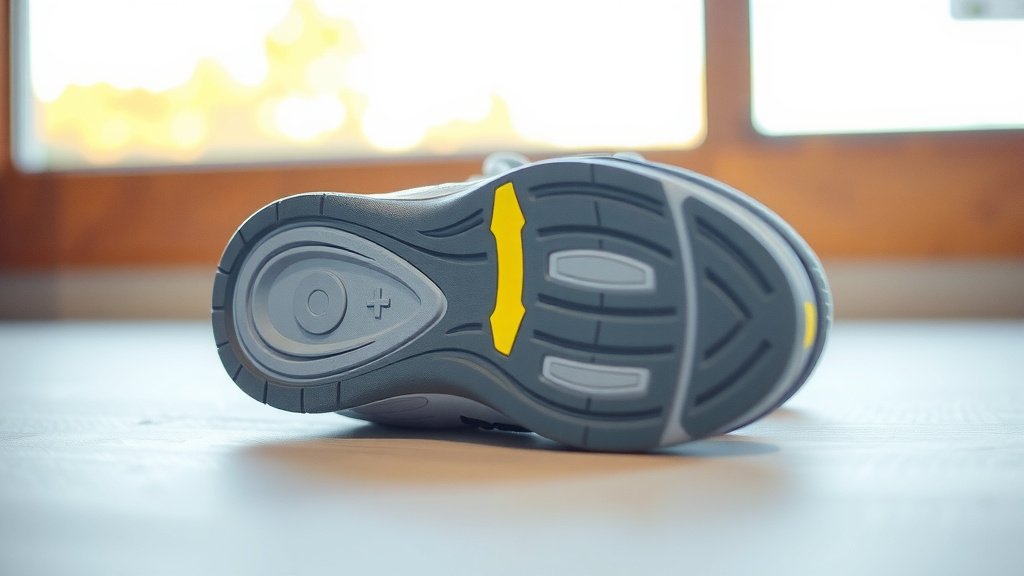
Midsole Features for Specific Needs
Beyond basic cushioning, midsoles can incorporate features for specific running needs. These are designed to enhance stability, support, or responsiveness.
Stability Features: For Overpronation Support
Some runners experience overpronation. This is when the foot rolls inward excessively. Shoes designed for stability often have features in the midsole. They might use denser foam on the medial side (the arch side). This is called a medial post.
They can also use guide rails or other structures. These help keep the foot aligned. They reduce excessive inward rolling. This can help prevent injuries. Many guidelines suggest stability features can be helpful for certain runners (NIGMS).
Carbon Plates: The Racer’s Edge
Carbon fiber plates are a newer innovation. They are embedded within the midsole. These plates are stiff. They work with the foam to create a propulsive effect. The plate acts like a lever. It helps snap your foot forward.
These shoes are often very lightweight. They are designed for speed. They are popular among competitive runners. However, they can be quite firm. They may not be the best choice for everyday training for everyone. We found that carbon plates significantly alter the shoe’s feel.
Caring for Your Midsole
To get the most out of your midsole, a little care goes a long way. Remember, it’s the part doing the heavy lifting for your comfort.
Quick Midsole Care Checklist:
- Wipe down your midsoles after runs.
- Use a damp cloth to remove dirt.
- Avoid harsh chemicals.
- Let them air dry naturally.
- Never put them in a clothes dryer.
The foam in your midsole will eventually break down. This happens with use. Most running shoes are designed to last between 300 to 500 miles. You’ll notice the cushioning feels less effective. That’s your cue for new shoes. We found that regularly checking your shoes can prevent discomfort.
Conclusion
You’ve now seen how the midsole is truly the heart of your running shoe. It’s the unsung hero, working tirelessly to cushion your steps and protect your body. From the foam material to the shoe’s overall shape, every design choice impacts your run. Understanding these elements helps you pick the right shoe for your needs.
Next time you shop for running shoes, pay close attention to the midsole. Feel how it compresses and responds. Your feet will thank you for it!
Frequently Asked Questions
How do I know when my midsole is worn out?
You’ll typically notice a significant decrease in cushioning. Your runs might start feeling harsher, and you may experience more fatigue or aches than usual. Most running shoes last between 300 to 500 miles, so keep track of your mileage.
Can I run in shoes with a very high midsole stack height?
Yes, many runners enjoy shoes with a high stack height for extra cushioning on long runs. While they offer great shock absorption, some find them less stable or less connected to the ground. It often comes down to personal preference and your running style.
What’s the difference between EVA and PU midsoles?
EVA foam is generally lighter and offers softer cushioning, a classic choice for many runners. PU foam is typically denser, providing a firmer and more durable ride. Some shoes even blend these materials to achieve specific performance characteristics.
Are carbon plates in the midsole good for all runners?
Carbon plates are primarily designed for speed and can offer a propulsive feel, making them popular for racing. However, they tend to be quite stiff and may not be ideal for everyday training for everyone. They can take some getting used to.
How can I make my midsole last longer?
Proper care is key! Always air dry your shoes after runs and avoid extreme heat like a clothes dryer. Wiping down the midsole with a damp cloth after muddy runs helps prevent dirt buildup. These simple steps can help maintain the foam’s integrity.