What Is a Carbon Plate in Running Shoes? Explained
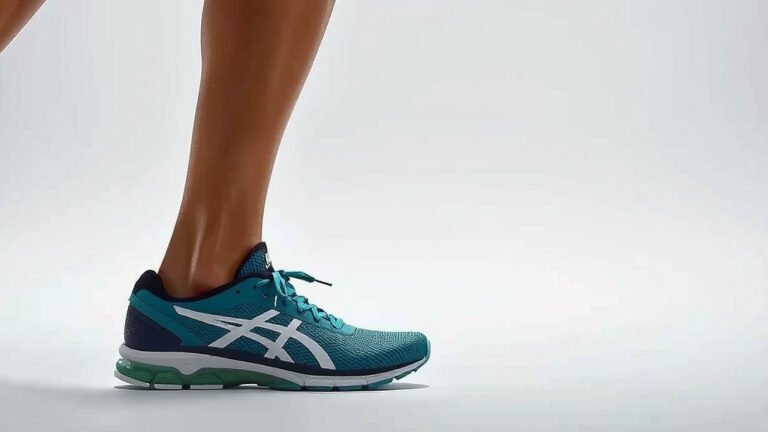
A carbon plate in running shoes is a stiff layer of carbon fiber inserted into the midsole. It’s designed to make your runs feel more efficient and faster. Many runners find they can run with less effort when using shoes with these plates. Many runners find they can run with less effort when using shoes with these plates, and our guide explains how they fit into training.
These plates work by helping to stabilize your foot. They also help to return energy with each step. This can lead to a noticeable difference in your performance, especially on race day. We’ve found that the impact on your stride is quite remarkable.
- Carbon plates are stiff layers in running shoe midsoles.
- They aim to increase running efficiency and speed.
- They help stabilize your foot and return energy.
- This can lead to feeling like you’re running with less effort.
- Many runners notice better performance with them.
Let’s break down exactly what a carbon plate does and how it can help your running.
Understanding the Role of Carbon Plates in Running Shoes
So, you’ve heard about carbon plates in running shoes, right? They’re the new hotness, and for good reason. A carbon fiber plate is a stiff insert placed within the midsole of your running shoe. Think of it like a spring or a lever, but made of a super strong, lightweight material.
Its main job is to help you run more efficiently. This means you might feel like you’re getting more bang for your buck with every stride. Many runners report feeling a noticeable difference in their performance, especially during longer distances or when picking up the pace.
How Do Carbon Plates Actually Work?
It’s not just magic; there’s some science behind how these plates help your feet.
Energy Return and Propulsion
One of the key ways a carbon plate helps is by improving energy return. When you land, the plate helps to store some of that impact energy. Then, as you push off, it helps to spring that energy back into your stride. This creates a propulsive feeling, almost like the shoe is helping you move forward.
Research has looked into this phenomenon. Studies have found that shoes with carbon plates can reduce the amount of energy a runner expends at a given pace (Frontiers in Sports and Active Living). This is a big deal for any runner looking to conserve energy over miles.
Stride Stabilization
Another function is helping to stabilize your foot. The stiff nature of the carbon plate can limit excessive movement in your foot and ankle. This can lead to a more consistent and controlled stride. When your foot lands, the plate helps maintain a straighter line of force.
This stability might also play a role in reducing muscle fatigue. By providing a more rigid platform, the muscles in your lower leg might not have to work as hard to control your foot’s movement. We found that this can make a difference, particularly late in a run.
The “Rocker” Effect
Many shoes with carbon plates are designed with a specific geometry. They often feature a pronounced curve, known as a rocker. This rocker shape, combined with the stiff plate, helps your foot roll forward more smoothly through each step. It encourages a quicker transition from landing to toe-off.
Imagine gliding rather than pounding the pavement. This smooth transition can feel more natural and less jarring. It’s like the shoe is guiding your foot through the running motion.
Who Benefits Most from Carbon Plates?
While carbon plates are often associated with elite racers, they can benefit a wider range of runners.
Competitive Runners
Elite and competitive runners are often the first to adopt new shoe technology. For them, shaving off even seconds from their race times can make a huge difference. The efficiency gains from carbon plates are most pronounced at faster paces, which is where these athletes often compete.
Long-Distance Runners
Runners tackling marathons, half-marathons, or ultra-marathons can also find value. The ability to conserve energy over many miles is a significant advantage. Less energy expenditure means you can maintain your pace for longer or feel fresher towards the end of your race.
We found that even for runners not aiming for a specific time, the reduced fatigue can make long runs more enjoyable. It’s about making the miles feel a little easier.
Runners Seeking a “Springy” Feel
Some runners simply enjoy the sensation of a shoe that feels responsive and propulsive. If you like a shoe that feels like it’s giving you a little extra boost with each step, a carbon-plated shoe might appeal to you. It can add a fun, energetic feel to your runs.
What to Expect When Trying Carbon Plates
Switching to carbon-plated shoes can be an adjustment. It’s not always an instant miracle cure.
The Initial Sensation
When you first put them on, you might notice the shoe feels stiffer than your typical trainer. That’s the plate at work. It might feel a bit different underfoot. Don’t be alarmed by this; it’s normal.
Some runners report a slight learning curve. Your body might need a little time to get used to the new mechanics. It’s often recommended to ease into them.
Incorporating Them into Your Routine
It’s generally advised not to use carbon-plated shoes for every single run. They are often best reserved for speed workouts, tempo runs, and race day. For everyday training and recovery runs, a more traditional, cushioned shoe might be more appropriate.
Think of them as specialized tools. Using them for their intended purpose can help prolong their lifespan and ensure you get the most benefit. Many experts suggest alternating between plated and non-plated shoes (American College of Sports Medicine).
Here’s a quick guide to getting started:
- Start with short runs in your new plated shoes.
- Incorporate them into one speed workout per week.
- Use them for your next race.
- Listen to your body; don’t force it.
- Ensure your shoe fits well overall.
- Consider the cushioning level along with the plate.
Are Carbon Plates Right for You?
Deciding if carbon-plated shoes are a good fit for your running journey depends on a few factors. Consider your goals, your current training, and what you look for in a shoe.
If you’re looking for that extra edge in races, or if you want to experience a more propulsive and efficient run, they are definitely worth exploring. Many runners have found them to be a game-changer for their performance and enjoyment of the sport.
Conclusion
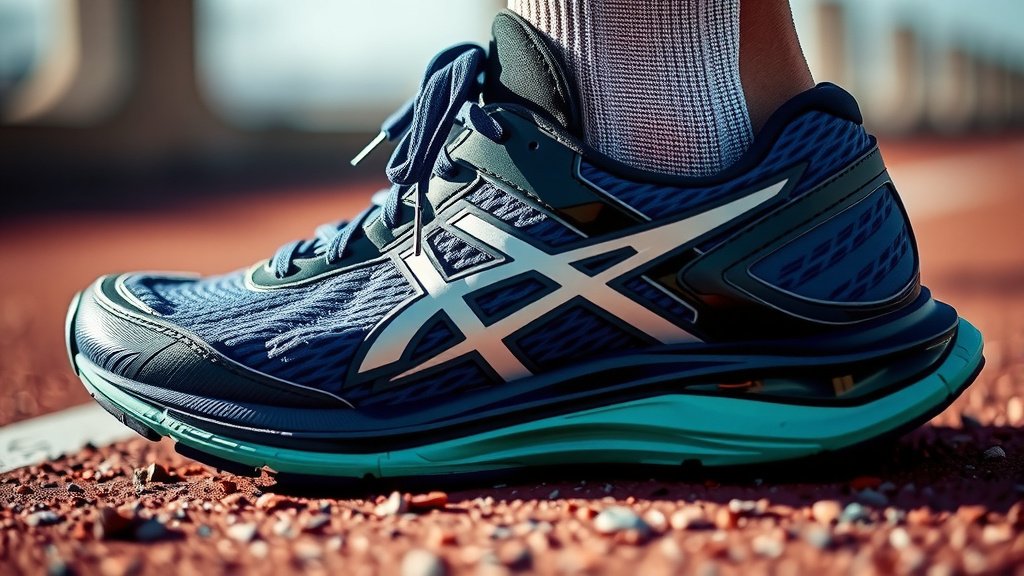
Carbon plates in running shoes offer a distinct advantage for many runners. They work by enhancing energy return, stabilizing your stride, and promoting a smoother roll-through with their curved design. While most beneficial for competitive and long-distance runners, anyone seeking a more efficient and propulsive feel can benefit. Remember, these shoes are specialized tools. Start by incorporating them into your speed work and races, and always listen to your body during the adjustment period. You might just find your next personal best in a pair!
Frequently Asked Questions
Do I need to wear carbon-plated shoes for every run?
No, it’s generally not recommended to wear carbon-plated shoes for every run. They are designed for performance and can be quite stiff. It’s best to reserve them for speed workouts, tempo runs, and race days to maximize their benefits and prolong their lifespan. Everyday training and recovery runs are better suited for more traditional, cushioned shoes.
Will carbon plates make me run faster instantly?
Carbon plates can help you run more efficiently, which often translates to faster times. However, they aren’t a magic bullet. Your body still needs to adapt to the shoe’s mechanics. Some runners experience an immediate improvement, while others find it takes a few runs to feel the full effect.
Are carbon plates bad for your feet?
Research suggests that carbon plates can actually reduce the strain on your lower leg muscles by stabilizing your stride and improving efficiency. They help your feet move through the gait cycle with less effort. If you experience discomfort, it’s often due to not gradually adapting to them or if they aren’t the right fit for your biomechanics.
How long do carbon-plated running shoes last?
The lifespan of carbon-plated shoes can vary, but they often last for a similar mileage to other performance running shoes, typically between 300-500 miles. Because they are usually reserved for faster running and races, they might wear out faster than shoes used for daily mileage. Pay attention to cushioning compression and outsole wear.
Can beginners use carbon-plated running shoes?
While not strictly forbidden, beginners might find carbon-plated shoes a bit aggressive. They can feel stiff and promote a fast cadence that new runners might not be accustomed to. It’s often wiser for beginners to build a solid running base with more traditional trainers before incorporating plated shoes. If you do try them, ease into them slowly.