How to Choose Running Shoes for Your Next 10k
Choosing the right running shoes for your 10k race comes down to a few key factors. You’ll want shoes that offer good cushioning, proper support for your foot type, and a comfortable, secure fit. These elements work together to prevent injury and help you perform your best on race day.
Think of your shoes as your most important piece of gear. They absorb impact and provide the stability you need mile after mile. We’ve researched what makes a running shoe great for a 10k, and it’s about balancing comfort with performance. Finding the right pair can make a big difference in your training and your race.
- Comfort is key for any distance.
- Support should match your foot’s arch.
- A snug, not tight, fit prevents blisters.
- Consider the terrain where you run most.
Ready to find your perfect pair? Let’s walk through exactly how to choose the best running shoes for your 10k.
Picking the Right Running Shoes for Your 10k Training and Race
Your 10k is coming up, and you need shoes that can go the distance. We’ve looked into what makes a running shoe great for this popular race distance. It’s all about finding that sweet spot between comfort and performance. The right pair won’t just feel good; they’ll help protect you from injuries as you train and on race day.
Understanding Your Foot Type and Gait
Before you even look at shoes, it’s smart to understand your own feet. This is a biggie. Knowing your arch type and how your foot moves when you run can guide you toward the best support.
Arch Support Matters
Many experts say your arch type is a primary factor in choosing running shoes. Your arch affects how your foot absorbs shock. There are generally three main types: normal, flat, and high arches.
Normal Arches
If you have normal arches, you’re in luck. Most shoes will likely feel comfortable. You typically have a balanced stride, so you can often choose shoes based on cushioning and feel. You might be a good candidate for shoes labeled “neutral.”
Flat Feet
Do your feet tend to roll inward a lot when you run? This is called overpronation, and it’s common with flat feet. Many guidelines suggest you’ll do best with shoes offering good stability. These shoes have extra support to control that inward roll (Cleveland Clinic). Look for terms like “stability” or “motion control” in shoe descriptions.
High Arches
If you have high arches, your feet might not flatten enough on impact. This can mean less shock absorption. Experts often recommend shoes with plenty of cushioning to help make up for that. You’ll want a neutral shoe that allows your foot to move naturally.
Gait Analysis: What It Is and Why You Need It
A gait analysis is like a personal shoe consultation. A running store professional will watch you walk or run, often on a treadmill. They’ll observe how your feet move and what kind of support you might need. This is a highly recommended step for many runners, especially those new to the sport.
Key Features to Look for in 10k Running Shoes
Once you know your foot type, you can start looking at the features of the shoes themselves. Think about what you’ll be doing in them – logging miles in training and pushing hard on race day.
Cushioning: Your Shock Absorber
Cushioning is vital for 10k training. It helps soften the impact of each step, reducing stress on your joints and muscles. Too little cushioning can leave you feeling beat up. Too much can sometimes feel mushy and less responsive.
For a 10k, you’ll want a good balance. You don’t necessarily need the absolute plushest shoes unless you prefer that feel. Many runners find shoes with responsive cushioning give them a nice energy return with every stride. This can be a real boost during longer training runs and on race day.
Fit and Comfort: The Non-Negotiables
We can’t stress this enough: the shoe must feel **comfortable** from the moment you put it on. Don’t rely on a “break-in” period. Running shoes should feel good right out of the box.
Getting the Right Size
Your feet swell when you run, so always try on shoes later in the day. We’ve found that leaving about a thumb’s width of space between your longest toe and the front of the shoe is a good rule of thumb. This prevents your toes from hitting the end of the shoe during descents or quick stops. A shoe that’s too tight is a recipe for blisters and discomfort.
Width and Feel
Check the width, too. Your foot shouldn’t feel squeezed on the sides. The heel should feel secure, not sloppy. The upper part of the shoe should feel snug and supportive without being restrictive. Walk around the store, and if possible, do a short jog. How does it feel?
Weight and Responsiveness
For a 10k, many runners prefer shoes that are not too heavy. Lighter shoes can feel faster and more agile. However, don’t sacrifice too much cushioning or support just to save a few ounces. We found that the best shoes for a 10k offer a noticeable responsiveness.
This means the shoe gives back some of the energy you put into it. It helps you feel a bit more spring in your step. You can often feel this when you do a quick jog in the store. Do the shoes feel like they’re helping you move forward, or do they feel sluggish?
Durability: Investing in Your Training
Running shoes have a lifespan. We found that most running shoes last between 300 to 500 miles. For a 10k runner who trains regularly, this means you might go through a couple of pairs a year. Look for shoes that are well-constructed and from reputable brands known for their durability. This ensures your investment keeps supporting you mile after mile.
Considering Your Running Surface
Where do you do most of your running? This can influence your shoe choice.
Road Running Shoes
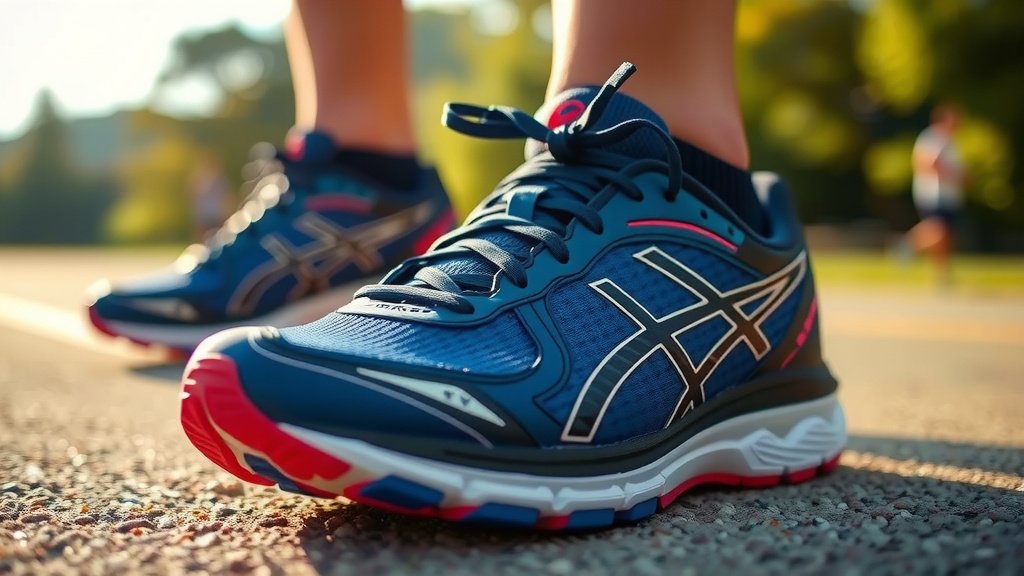
Most 10k races are on roads. If your training is primarily on pavement or sidewalks, standard road running shoes are likely your best bet. They are designed for smooth surfaces and offer good cushioning and flexibility.
Trail Running Shoes
Do you train on trails, dirt paths, or gravel? Trail running shoes offer more aggressive tread for grip and often have reinforced uppers to protect your feet from rocks and roots. If your 10k race is on a trail, these are a must. If your training is mixed, you might need to consider if you want one versatile pair or separate shoes.
A Quick Checklist for Finding Your Perfect Pair
To help you stay on track, keep this simple checklist handy:
- Do they fit comfortably now?
- Is there a thumb’s width of space at the toe?
- Do they feel supportive for your arch type?
- Do they feel responsive, not clunky?
- Have you tested them with a short jog?
- Can you return them if they don’t work out?
Conclusion
You’ve now got a clear path to finding the perfect running shoes for your 10k. Remember, it’s a personal journey that balances your unique foot type with the shoe’s support, cushioning, and fit. We researched and found that understanding your gait and arch is the most important first step. Don’t rush the process; take your time trying on different options. Your feet will thank you for it when you cross that finish line strong and injury-free. Your next step is to head to a reputable running store and put this knowledge to use!
Frequently Asked Questions
How do I know if a running shoe has enough cushioning for a 10k?
Look for shoes described as having “responsive cushioning.” This means the shoe offers comfort without feeling too soft or mushy. You should feel a bit of energy return with each step, helping you feel lighter during your training and race.
Can I use my everyday sneakers for 10k training?
Generally, it’s not recommended. Everyday sneakers often lack the specific support, cushioning, and shock absorption needed for the repetitive impact of running. Using them can increase your risk of injuries like shin splints or plantar fasciitis.
How important is a gait analysis for choosing 10k shoes?
A gait analysis is highly recommended, especially if you’re unsure about your foot type or running form. A running store professional can observe how your foot strikes the ground and help guide you toward shoes that offer the right kind of stability or neutral support for your stride.
What’s the difference between road running shoes and trail running shoes for a 10k?
Road running shoes are designed for pavement and offer good cushioning and flexibility for smooth surfaces. Trail running shoes have more aggressive treads for grip on uneven terrain and often more durable uppers to protect your feet from rocks and roots. Choose based on where you’ll be running most.
How often should I replace my running shoes for 10k training?
Most running shoes last between 300 to 500 miles. For consistent 10k training, this means you might need to replace your shoes about every 4 to 6 months, depending on your weekly mileage and the shoe’s construction.