Best Running Shoes for Bad Knees: A 2026 Guide
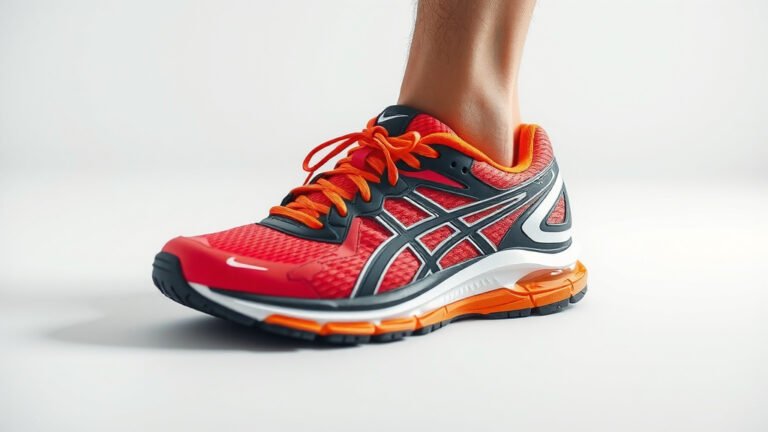
Yes, you absolutely can run with bad knees, and the right running shoes can make a huge difference. Choosing shoes with excellent cushioning and support can help absorb impact and reduce stress on your knee joints. This can make your runs more comfortable and help prevent further irritation.
Finding the perfect pair involves understanding your foot type and how you run. We found that shoes designed for stability or motion control can be especially beneficial for knees that tend to roll inward. Proper footwear is a key part of a strategy to keep you running pain-free.
- Look for shoes with plenty of cushioning.
- Support features are important for knee stability.
- Consider your foot arch and gait.
- Motion control shoes can help if your knees roll inward.
Let’s dive into what makes a running shoe great for bad knees, and how to pick the best pair for your needs.
Picking the Right Running Shoes for Knee Pain
Running with knee pain might sound counterintuitive, but the right gear can make a world of difference. Your shoes are your primary connection to the ground. They absorb shock and guide your foot through each stride. Choosing wisely means choosing less pain and more miles. We’ve found that focusing on a few key shoe features can help protect your knees.
Understanding Your Foot and Gait
Before you even look at shoes, you need to understand your own feet. This is where the journey to happy knees begins. Do you have high arches? Flat feet? Knowing this helps determine the kind of support you need.
Arch Types
Your arch type affects how your foot absorbs impact. A high arch might mean less natural cushioning. A flat arch can sometimes lead to overpronation. This is when your foot rolls inward too much. You can often check this by looking at the wet print of your foot.
Gait Analysis
How you run is just as important. This is called your gait. Do your feet land with a neutral motion? Do they roll inward (overpronation) or outward (supination)? Many specialty running stores offer a free gait analysis. It’s a simple way to get personalized advice.
Key Shoe Features for Knee Comfort
Now that you know a bit about your feet, let’s talk about shoes. What makes a shoe a good choice for someone with sensitive knees?
Cushioning is King
Think of cushioning like tiny shock absorbers for your feet. More cushioning means more impact absorption. This directly reduces the stress that travels up to your knees. We found that shoes with generous midsole foam offer excellent comfort. Look for terms like “plush cushioning” or “soft ride”.
Support for Stability
Supportive shoes help control your foot’s motion. This can be especially important if you overpronate. Stability shoes offer features like guide rails or denser foam on the inside. These gently guide your foot into a more neutral path. Many experts say this can help reduce knee strain (American Physical Therapy Association).
Heel-to-Toe Drop
The heel-to-toe drop is the difference in height between the heel and the forefoot. A lower drop (0-8mm) can encourage a midfoot strike. This might feel more natural for some. A higher drop (8-12mm+) can put more pressure on the knee. It really depends on your biomechanics and what feels comfortable for you. There’s no one-size-fits-all answer here.
Fit and Feel
This might sound obvious, but a good fit is paramount. Your shoes should feel comfortable from the very first step. There should be enough room in the toe box for your toes to wiggle. The heel should feel secure, not slip. If a shoe feels tight or rubs anywhere, it’s not the right shoe for you. Trust your gut feeling.
Types of Running Shoes to Consider
Running shoe manufacturers categorize their products. Understanding these categories helps you narrow down your choices.
Neutral Shoes
These shoes are best for runners with a neutral gait. They offer cushioning but little in the way of motion control. If your feet land and roll naturally, these could work. They allow your foot to move as it’s designed to.
Stability Shoes
These shoes are designed for runners who overpronate. They provide support to help control inward foot rolling. We found that many runners with knee pain benefit from the stability features. Look for brands that offer “structured cushioning” or “supportive ride”.
Motion Control Shoes
For severe overpronation, motion control shoes offer the highest level of support. They are generally stiffer and heavier. They have robust features to limit excessive foot motion. These are often recommended for heavier runners or those with very flat feet.
Making Your Choice: A Quick Checklist
Ready to shop? Keep these points in mind:
- Prioritize **cushioning** to absorb impact.
- Seek out shoes with good **support** if you overpronate.
- Consider your **arch type** and how you run.
- Ensure a comfortable, secure **fit** with room for your toes.
- Don’t be afraid to try different brands and models.
- Listen to your body – comfort is key.
| Feature | Benefit for Bad Knees | Who Needs It Most |
|---|---|---|
| Max Cushioning | Absorbs shock, reduces impact on joints | All runners, especially those seeking comfort |
| Stability Features | Controls overpronation, aligns gait | Overpronators, runners with flat feet |
| Wide Toe Box | Allows natural foot splay, reduces pressure points | Runners with wider feet or bunions |
| Responsive Midsole | Provides energy return, can feel less jarring | Runners who prefer a livelier feel |
Finding the right running shoe is a personal journey. It requires a bit of self-awareness and some trial and error. But investing this time pays off in pain-free miles. By focusing on cushioning, support, and a good fit, you can find a shoe that helps you keep running. Many physical therapists agree that proper footwear is a cornerstone of knee injury prevention and management (Mayo Clinic).
Conclusion
You’ve learned that running with bad knees is achievable with the right approach to footwear. Prioritizing plush cushioning and adequate support are your best allies. Understanding your foot’s arch and your running gait helps you pinpoint the best shoe type, whether it’s neutral, stability, or motion control. Don’t overlook the importance of a proper fit; comfort is your ultimate guide. Your next step is to visit a specialty running store for a gait analysis. Get fitted for shoes that feel great and get back to enjoying your runs with greater confidence and less discomfort.
Frequently Asked Questions
Can I still run if my doctor said I have bad knees?
Yes, you absolutely can run with what many consider “bad knees.” The key is managing the impact and stress on your joints. Choosing the right running shoes with ample cushioning and support is a critical part of this management strategy.
What is the most important feature in a running shoe for knee pain?
While several features matter, cushioning is often considered the most important for knee pain. It acts like a shock absorber, reducing the force that travels from your foot up to your knee with each stride.
Do I need stability shoes if I have knee pain?
Not necessarily. Stability shoes are beneficial if you overpronate (your foot rolls inward too much). If you have a neutral gait, a well-cushioned neutral shoe might be more appropriate. A gait analysis at a running store can help determine your needs.
How much should I spend on running shoes for bad knees?
You don’t always need the most expensive shoes. Focus on finding a pair that offers the right combination of cushioning and support for your specific needs and feels comfortable. Many reputable brands offer excellent options at mid-range price points.
Should I wear my new running shoes for a long run right away?
It’s wise to break in new running shoes gradually. Start with shorter runs to allow your feet and body to adjust to the feel and support. This helps prevent blisters and allows you to check for any discomfort before committing to a longer distance.