Fix Running Shoe Toe Pain: Causes & Solutions
Your running shoes might be causing that nagging toe pain, but don’t worry, there are quick fixes. Often, simply adjusting your lacing technique or choosing the right sock can make a big difference. We’ve found that many runners overlook these simple solutions for resolving toe discomfort.
Toe pain from running shoes is surprisingly common. It can stem from a variety of issues, including shoes that are too tight, friction from socks, or even improper foot strike. Understanding the root cause is key to finding lasting relief. Many experts suggest that proper footwear fit is paramount for preventing pain.
- Check your shoe size and width.
- Experiment with different lacing patterns.
- Wear moisture-wicking running socks.
- Ensure your socks aren’t bunching up.
Ready to get back to comfortable miles? Let’s walk through exactly how to fix that toe pain from your running shoes step by step.
Resolving Toe Pain from Your Running Shoes
It’s frustrating when your feet hurt, especially your toes. Fortunately, fixing toe pain from running shoes often involves simple adjustments. We’ve found that understanding why your toes hurt is the first step to finding relief. Many experts agree that the right shoe fit and careful sock selection are key.
When Your Running Shoes Feel Too Small
One of the most common culprits for toe pain is shoes that are simply too short. Your toes need room to splay naturally, especially during a run. If your shoes are snug, your toes might be hitting the front with every stride.
The “Thumb Width” Rule
A good rule of thumb is to have about a thumb’s width of space between your longest toe and the end of the shoe. You can check this by sliding your foot forward in your shoe while it’s unlaced. If your toes touch the end, the shoes are likely too small (Runner’s World).
Consider Width Too
It’s not just length; width matters. If your shoes feel tight across the ball of your foot, your toes might be getting squished. This can lead to a variety of painful issues, like bunions or hammertoes over time. Many shoe brands offer wide sizes, which can be a lifesaver.
Socks: The Unsung Hero (or Villain) of Toe Comfort
The socks you wear can make or break your running experience. Wrong socks can cause friction, bunching, and moisture, all leading to toe pain.
Material Matters: Say No to Cotton
Cotton socks might feel soft, but they hold moisture. When your feet sweat, cotton stays wet, increasing friction. This friction can lead to blisters and raw skin on your toes and the surrounding areas. We found that moisture-wicking synthetic blends or merino wool are far better choices for running.
Seamless is Best
Some socks have bulky seams that can rub against your toes. Look for socks labeled “seamless” or with flat seams. This small detail can prevent irritation and painful pressure points. Many runners report immediate relief by switching to seamless socks.
The Dreaded Sock Bunching
Have you ever felt a lump in your shoe? That’s usually your sock bunching up. When this happens, it creates uneven pressure on your toes and can lead to rubbing and pain. Ensure your socks fit snugly and stay put throughout your run.
Mastering Your Lacing Technique
How you tie your shoes can significantly impact comfort. The standard lacing pattern isn’t always best for everyone. You can adjust the tightness around your toes and midfoot to relieve pressure.
Relieving Forefoot Pressure
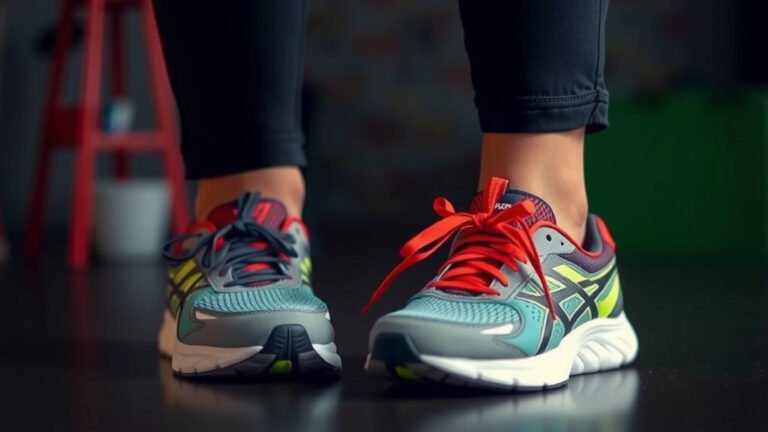
If you feel pressure on the top of your toes or the forefoot, try skipping the first few eyelets closest to your toes. This can give your toes and the top of your foot more breathing room. We found this trick helps many runners with forefoot pain.
The “Window Lacing” Trick
For a bit more space, you can create a “window” by crossing the laces over themselves twice in the eyelets just before where you feel pressure. This provides a more open feel in that section of the shoe.
Securing Your Heel
Sometimes, toe pain is a result of your foot sliding forward in the shoe. A heel lock or “runner’s knot” can help secure your foot. This involves using the last set of eyelets to create a loop that pulls your heel back into the shoe. This prevents your toes from jamming into the front.
When to Reconsider Your Shoe Choice
If you’ve tried adjusting your socks and lacing and still have pain, it might be time to look at the shoes themselves. Not all running shoes are created equal, and what works for one person might not work for another.
Shoe Type and Your Foot Strike
The way you run, or your “foot strike,” can influence the type of shoe you need. If you’re a heavy heel striker, you might need more cushioning in the heel. If you’re a midfoot or forefoot striker, you might want a shoe with more flexibility and less heel-to-toe drop. Research suggests aligning shoe design with your natural gait can prevent injury.
Consider the Toe Box Shape
Some running shoes have a very tapered toe box. This design can squeeze your toes together. We’ve found that shoes with a more anatomically shaped toe box, allowing your toes to spread naturally, often alleviate this type of pain.
Trial and Error is Key
Finding the perfect running shoe often involves some trial and error. Don’t be afraid to try on several different brands and models. Many specialty running stores offer gait analysis to help you find the right fit and type of shoe.
Quick Checklist for Toe Pain Relief
- Ensure at least a thumb’s width of space at the end of your shoe.
- Choose moisture-wicking socks made of synthetic blends or wool.
- Opt for seamless socks or those with flat seams.
- Check that your socks are not bunching up inside your shoes.
- Experiment with lacing techniques to reduce forefoot pressure.
- Consider shoes with a wider or more naturally shaped toe box.
Conclusion
You’ve learned that toe pain from running shoes often has simple solutions. You can find relief by checking your shoe size and width carefully. Experimenting with sock materials and lacing techniques can make a big difference too. Don’t overlook the shape of your shoe’s toe box. If you’ve tried these tips and still have pain, it might be time to seek advice from a running shoe specialist. Your next step is to try one of these adjustments on your next run and see how your feet feel.
Frequently Asked Questions
How do I know if my running shoes are too narrow for my toes?
If you experience pain on the sides of your toes or the ball of your foot, your shoes might be too narrow. You may also notice redness or soreness after your runs. Many running shoe brands offer wide sizes to accommodate different foot shapes.
Can my running socks cause my toes to hurt?
Yes, absolutely. Socks made of cotton can trap moisture, leading to friction and blisters. Bunching or seams in your socks can also create uncomfortable pressure points on your toes. Always opt for moisture-wicking, seamless socks.
What is the best way to lace my running shoes to avoid toe pain?
Try lacing techniques that reduce pressure on the forefoot. Skipping eyelets near your toes or using a heel lock to prevent your foot from sliding forward can help. You can find diagrams for specific lacing methods online.
Should I always have a thumb’s width of space in my running shoes?
Generally, yes. A thumb’s width of space at the end of your shoe allows your toes to move naturally and prevents them from hitting the front during your stride. This is a good starting point for assessing shoe length.
When should I consider getting new running shoes instead of fixing my current ones?
If you’ve tried adjusting your lacing and socks, and your shoes still feel uncomfortable or too small, it’s time for new ones. Persistent toe pain, even after trying these fixes, suggests your current shoes aren’t the right fit for your feet or running style.