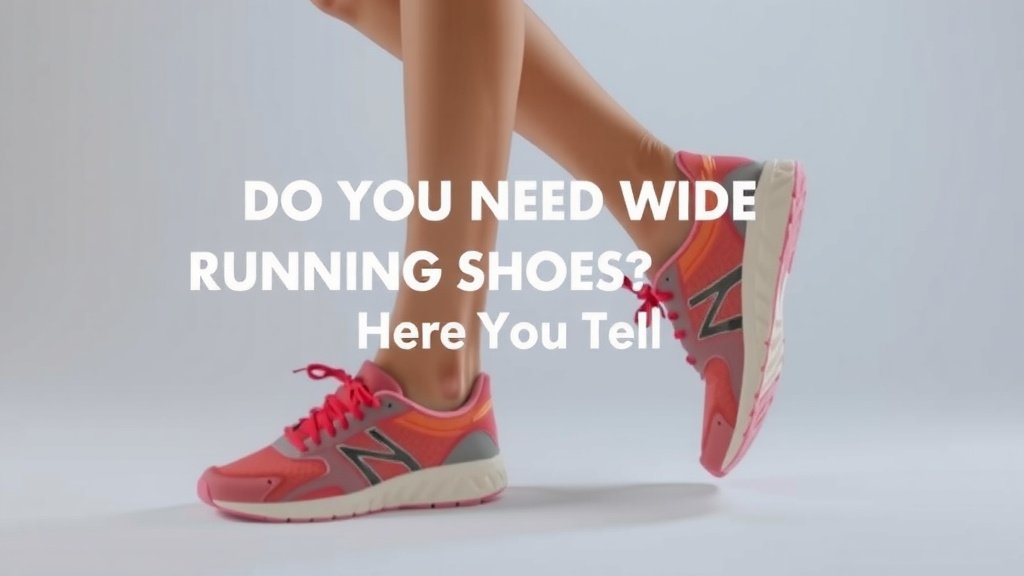
Do You Need Wide Running Shoes? Here’s How to Tell
You likely need wide running shoes if your feet feel cramped or pinched when you run or even just wear regular shoes. Your toes shouldn’t be squished together, and the sides of your feet shouldn’t bulge over the sole. Finding the right fit means happy feet and a much better running experience.
Many runners experience discomfort because their shoe width just isn’t right. This can lead to blisters, pain, and even foot deformities over time. We found that going a half-size up in regular width often doesn’t solve the problem; it just makes the shoe longer, not wider.
- Your toes feel squeezed together.
- The sides of your feet spill over the shoe’s sole.
- You experience numbness or tingling in your feet.
- You get blisters or calluses on the sides of your feet.
- Your current shoes feel tight across the widest part of your foot.
Let’s walk through the signs that tell you it’s time to look for shoes designed for a wider foot.
When to Consider Wider Running Shoes
Your feet might be telling you they need more room than your current shoes offer. It’s a common issue, and one that can really impact your running comfort. We’ve found that ignoring these signs can lead to a lot of unnecessary pain. Let’s break down how to tell if you’re in need of wide running shoes.
Signs Your Feet Need More Width
The Feel of Your Current Shoes
When you put on your running shoes, what’s the immediate sensation? Do they feel snug, or do they feel just right? If they feel tight across the widest part of your foot, that’s a big clue. It’s not just about the length; the width is just as important for a comfortable fit.
We’ve heard from many runners who try to solve tightness by simply buying a larger size in a standard width. This usually makes the shoe longer, but not any wider. Your foot ends up swimming in extra length while still feeling squished at the sides. This can throw off your stride and cause other problems.
Toe Box Troubles
Take a moment to wiggle your toes inside your running shoes. Can you do it freely? If your toes feel cramped together, it’s a pretty clear indicator that the toe box is too narrow. Your toes should have enough space to splay naturally, especially when you’re running and your feet expand slightly.
Imagine trying to pack too many things into a small suitcase. Your toes can feel the same way when they’re forced into a shoe that’s too constricting. This lack of space can lead to blisters, bunions, and even hammer toes over time, as researchers at the American Podiatric Medical Association have noted.
The Sidewall Squeeze
Look at your feet when they’re in your current running shoes. Does the side of your foot seem to bulge over the sole of the shoe? If the sole looks like it’s trying its best to contain your foot but failing, you likely need a wider shoe. Your foot should sit comfortably within the boundaries of the shoe’s base.
This spilling over is a sign that the shoe isn’t wide enough to support your foot’s natural shape. It can lead to friction and irritation on the sides of your feet, causing blisters and discomfort during your runs. It’s like trying to wear skinny jeans when you really need a straight leg cut – it just doesn’t fit right.
Numbness and Tingling
Have you ever experienced numbness or tingling in your feet after a run, or even during a long walk? This sensation, often described as “pins and needles,” can be caused by nerves being compressed. Your running shoes might be too tight, cutting off circulation.
This is more than just a minor annoyance; persistent nerve compression can lead to more serious foot issues. Many podiatrists mention that overly tight shoes are a common culprit for this type of discomfort. If this sounds familiar, it’s a strong signal to re-evaluate your shoe width.
Blisters and Calluses in Odd Places
Pay attention to where you tend to get blisters or develop calluses. If they are consistently appearing on the sides of your feet, particularly around the ball of your foot or little toe, your shoes are likely too narrow. These areas are experiencing excessive rubbing and pressure.
Normal wear-and-tear might cause some minor issues, but persistent blisters or calluses in specific spots are usually your body’s way of saying, “Ouch! This doesn’t fit!” It’s your foot’s attempt to protect itself from the constant friction caused by a shoe that’s too tight. We found this to be a very common complaint among runners needing wider shoes.
Quick Checklist: Do You Need Wide Shoes?
Let’s make it simple. Ask yourself these questions:
- Do my toes feel squished together in my current running shoes?
- Does the side of my foot spill over the edge of the shoe’s sole?
- Do I often get blisters or calluses on the sides of my feet?
- Do my feet feel numb or tingly after running?
- Does the widest part of my foot feel uncomfortably tight in my shoes?
- Do I have any visible foot deformities like bunions that make standard shoes feel painful?
Understanding Foot Width and Shoe Sizing
The Myth of “Just Go Up a Size”
We often hear people say, “If a shoe is too narrow, just buy a half-size bigger.” As we mentioned, this isn’t the right solution. Shoes come in different widths for a reason. A standard width (often labeled ‘B’ for women and ‘D’ for men) is designed for the average foot.
Buying a larger size in standard width just adds extra length. This can lead to tripping hazards and an unstable gait. Your foot is still confined in the same narrow toe box and midfoot. Many shoe brands offer specific wide sizes (like ‘D’ or ‘2E’ for women and ‘2E’ or ‘4E’ for men) to address this.
How Shoe Widths Are Measured
Shoe manufacturers use a system to denote width. While it can vary slightly by brand, generally:
| Gender | Narrow | Standard | Wide | Extra Wide |
|---|---|---|---|---|
| Women | 2A | B | D | 2E or 4E |
| Men | B | D | 2E | 4E or 6E |
It’s helpful to know these designations when you’re shopping. If you typically wear a standard width but experience discomfort, asking for a wide size in your usual length is the next logical step.
When to Get Professionally Measured
If you’re unsure about your foot width or suspect you might need wide shoes, visiting a specialty running store is a great idea. They have knowledgeable staff who can measure your feet accurately.
These experts can assess your foot’s length, width, and arch type. They can then recommend shoes that will fit your unique foot shape. Many podiatrists also recommend this step for individuals experiencing chronic foot pain or noticing foot deformities. Research indicates that proper footwear fit is essential for preventing common running injuries (The American Academy of Orthopaedic Surgeons).
Conclusion
Your feet work hard, and giving them the right support is essential for happy running. If your current shoes feel tight, pinch your toes, or cause blisters on the sides, it’s a clear sign you likely need wide running shoes. Ignoring these signals can lead to pain and prevent you from enjoying your runs. Don’t just buy a bigger size; look for shoes specifically designed for a wider fit. Your next step is to visit a specialty running store for a professional fitting. They can help you find the perfect width for ultimate comfort and performance.
Frequently Asked Questions
How can I tell if my foot is wide enough to need wide shoes?
You likely need wide running shoes if your feet feel cramped or pinched in standard-width shoes. Pay attention to how the sides of your feet feel; if they bulge over the sole, your current shoes are probably too narrow. Visible foot deformities like bunions can also indicate a need for wider footwear.
Is it okay to just buy a half-size bigger shoe if my current ones are too narrow?
No, simply going up a half-size in standard width usually isn’t the solution. This makes the shoe longer, not wider, meaning your foot might still be squished in the toe box and midfoot. You’ll end up with extra length that can cause tripping and an unstable gait.
Where is the best place to buy wide running shoes?
A specialty running store is your best bet for finding wide running shoes. Their staff are trained to measure your feet accurately for both length and width. They can also assess your gait and recommend specific models that come in wide or extra-wide options.
Can narrow shoes cause numbness or tingling in my feet?
Yes, narrow shoes can definitely cause numbness or tingling. When a shoe is too tight, it can compress nerves and restrict blood flow to your feet. This sensation is your body telling you that it needs more room to circulate blood and prevent nerve irritation.
How often should I get my running shoes professionally measured for width?
It’s a good idea to get measured every time you buy new running shoes, especially if you’re looking for wide sizes. Your foot size and shape can change over time due to factors like weight fluctuations or aging. A professional measurement ensures you get the best possible fit.