What Is a High Drop Running Shoe? A Deep Dive
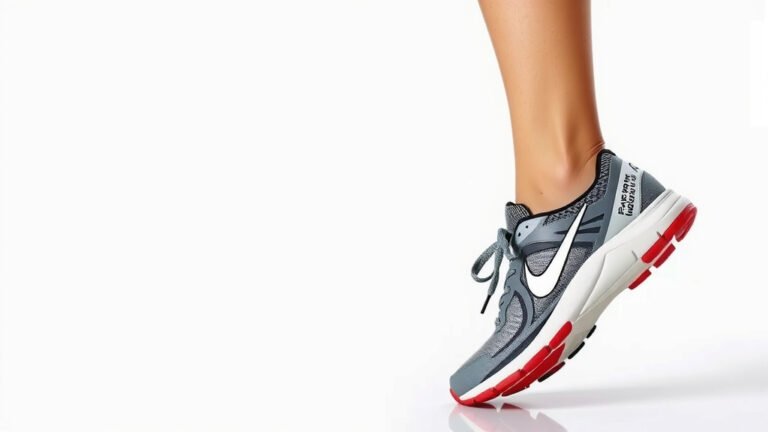
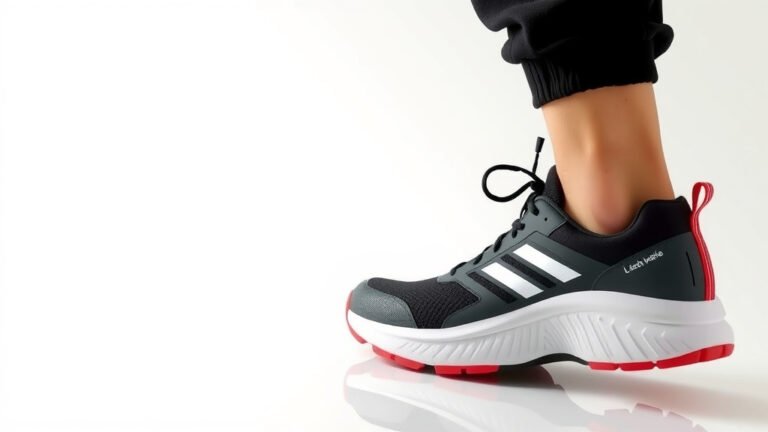
A high drop running shoe is a shoe with a A high drop running shoe is a shoe with a large heel-to-toe drop, which is explained in our beginner’s guide.large heel-to-toe drop, typically 8 millimeters or more. This means there is a substantial height difference between the heel and the forefoot of the shoe. This design can alter your foot strike and how you land during your run, often encouraging a heel strike. Many runners find this drop feels familiar and can offer a cushioned landing.
Understanding your running shoe’s drop is essential for comfort and injury prevention. A high drop shoe is designed to influence your gait mechanics. While many runners are comfortable in them, it’s worth knowing if this type of shoe fits your running style. We found that the right drop can make a big difference in your overall running experience and reduce strain.
- High drop shoes have a big difference between heel and toe height (8mm+).
- They can encourage a heel strike when you run.
- Many runners feel they offer a softer landing.
- Choosing the right drop depends on your personal running style.
Let’s walk through exactly what a high drop running shoe is and how it might work for your runs.
Understanding the Anatomy of a High Drop Running Shoe
So, what exactly makes a running shoe “high drop”? It all comes down to a simple measurement: the difference in height between the heel and the forefoot. When we talk about drop, we’re measuring this in millimeters (mm). A shoe with a larger number here means a bigger difference in height.
For a shoe to be considered high drop, this measurement is typically 8mm or more. Think of it like a ramp, but for your feet. The higher the ramp, the more of a slope there is. This design can subtly, or not so subtly, change how your foot lands and rolls through your stride when you’re out for a run.
The ‘Drop’ Explained: Heel vs. Forefoot
The heel-to-toe drop is one of the most straightforward specs on a running shoe. Manufacturers measure this difference. Shoes with 0-4mm are considered low drop. Mid-drop shoes are usually in the 4-8mm range. Anything above that, and you’re in high drop territory.
This drop isn’t just a random number; it’s a design choice. It affects how much pressure is on your Achilles tendon and calf muscles. It also influences your natural foot strike. Many runners find that a higher drop feels more natural if they are used to landing on their heels.
Why Does Drop Matter for Your Run?
Your running shoe’s drop can influence your biomechanics. It’s like choosing a different kind of tool for a specific job. A high drop shoe, in particular, tends to encourage a heel strike. This means your heel hits the ground first.
This can feel like a softer landing for many. The higher heel absorbs some of the initial impact. However, it can also put more strain on your knees and hips. Research indicates that how you land plays a big role in overall running efficiency and injury risk (NCBI).
Impact on Your Foot Strike
If you’re a natural heel striker, a high drop shoe might feel quite comfortable. It essentially caters to that landing pattern. The elevated heel helps cushion the impact when your heel first makes contact with the ground. If you’re a natural heel striker, a high drop shoe might feel quite comfortable and cater to that landing pattern.
Conversely, if you tend to land more on your midfoot or forefoot, a high drop shoe might feel a bit awkward. It could even force your foot into a less natural position. This is why understanding your own running style is so important before picking a shoe.
Common Characteristics of High Drop Shoes
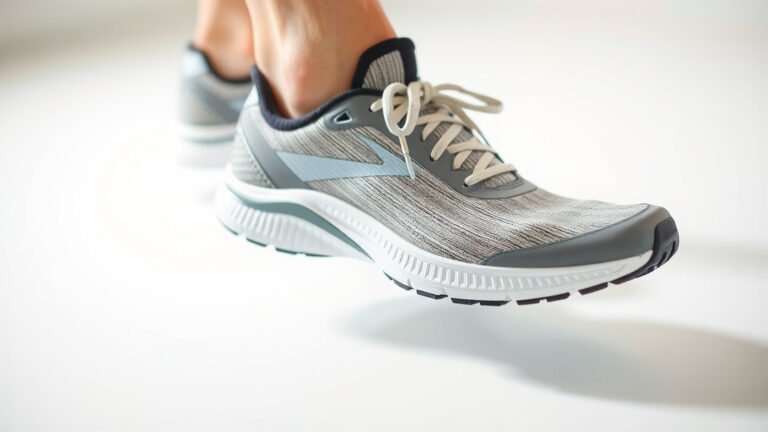
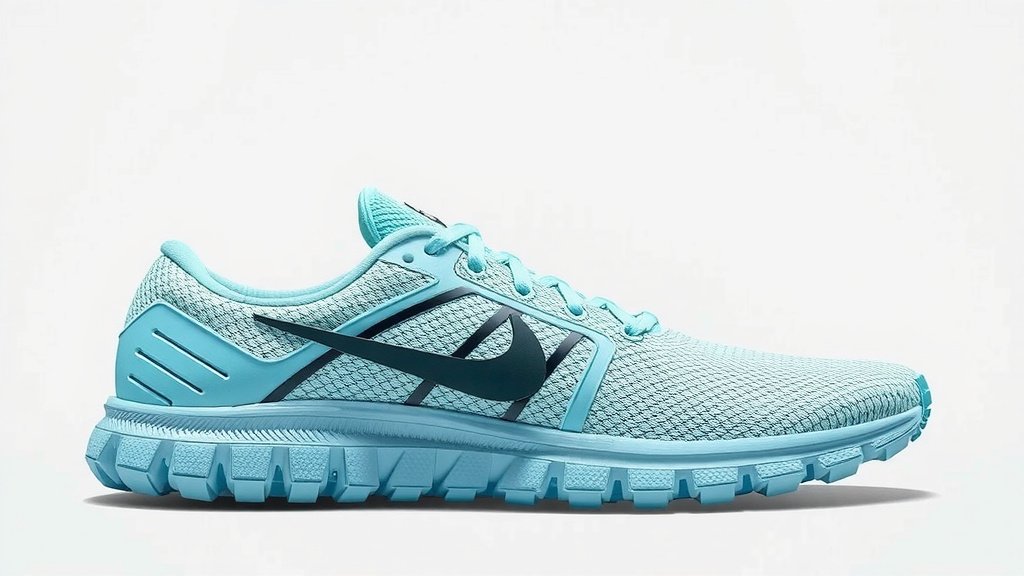
Beyond the obvious height difference, high drop shoes often share other traits. Many are designed with ample cushioning. This adds to the feeling of a softer landing, which many runners associate with high drop footwear.
You’ll often find these shoes have a slightly firmer heel. This provides stability as your foot lands. They can sometimes feel a bit heavier than their low-drop counterparts. But for many, the comfort and familiar feel outweigh any added weight.
Who Benefits from High Drop Running Shoes?
Who are these high drop shoes really for? Well, a large group of runners find them to be their go-to. If you’ve been running for a while and your current shoes have a significant drop, you’re likely accustomed to this style.
Runners who experience calf or Achilles pain sometimes find relief in higher drop shoes. The reduced load on these areas can be beneficial. It’s not a magic bullet, but it can be part of a solution. Many recreational runners simply prefer the plush, cushioned feel.
The Heel Striker’s Best Friend?
As we’ve touched on, heel strikers often feel right at home in high drop shoes. The design naturally complements a heel-first landing. It’s a bit like wearing shoes that already have a built-in little lift.
This can make the transition feel smoother. It can also help reduce the perceived impact. Many studies show that a higher drop can shift some of the stress from the ankle and foot up towards the knee and hip (Cleveland Clinic).
Considerations for Injury Prevention
While high drop shoes can help some runners, they aren’t for everyone. If you have knee issues, for example, the altered landing mechanics might actually increase stress on your knees. We found that it’s a bit of a balancing act.
Experts suggest that the ideal drop depends heavily on individual biomechanics and training volume. If you’re experiencing new aches or pains, it’s always wise to consult with a physical therapist or sports medicine doctor. They can help pinpoint the cause. Sometimes, a shoe change is part of the answer.
Comparing Drop Levels: A Quick Guide
To help you visualize the difference, here’s a simple breakdown of typical drop categories. This isn’t a strict rulebook, but a general guideline.
| Drop Range (mm) | Shoe Category | Common Feel/Benefit |
|---|---|---|
| 0-4mm | Low Drop / Zero Drop | Natural foot movement, ground feel, may encourage forefoot strike. |
| 4-8mm | Mid Drop | A balance between cushioning and natural feel, versatile. |
| 8mm+ | High Drop | Cushioned landing, often encourages heel strike, familiar feel for many. |
Making the Choice: What’s Right for You?
Choosing the right running shoe drop is personal. There’s no single “best” drop for all runners. What works wonders for your friend might not be ideal for you.
Think about your current shoes. What do you like or dislike about them? Do you experience any specific pains after your runs? Asking yourself these questions can provide clues. Many runners are happy sticking with what feels familiar and comfortable.
Your Personal Checklist for Shoe Drop
To help you decide, consider these points:
- What is the drop of my current favorite shoes?
- Do I typically land on my heel, midfoot, or forefoot?
- Do I experience pain in my calves, Achilles, or knees?
- Do I prefer a very cushioned or a more natural feel?
- Have I tried different drop heights before?
- Have I consulted with a running specialist or medical professional?
Your running journey is unique. Understanding elements like shoe drop is part of finding what supports your stride best. It’s about making informed choices for happier, healthier runs.
Conclusion
So, you’ve learned that a high drop running shoe is defined by its substantial heel-to-toe difference, usually 8mm or more. This design can feel familiar and often leads to a softer, cushioned landing, especially for heel strikers. Remember, the “best” drop is personal. It depends on your unique stride, any past injuries, and what simply feels comfortable to you.
Your next step? Consider trying on a pair with a higher drop if you’re curious, or if you’re experiencing certain types of discomfort. Listen to your body, and don’t hesitate to consult with a running store professional or a physical therapist. Happy running!
Frequently Asked Questions
Will a high drop shoe change my running form?
A high drop shoe can influence your form by encouraging a heel strike, where your heel hits the ground first. If you’re naturally a heel striker, it might feel very comfortable. If you’re a midfoot or forefoot striker, it might feel less natural and could potentially alter your usual landing pattern.
Are high drop shoes good for preventing injuries?
For some runners, particularly those with calf or Achilles issues, high drop shoes can offer relief by reducing strain on those areas. However, they can also increase stress on your knees and hips for others. It’s important to understand your own body and potential injury risks.
Can I switch from a low drop shoe to a high drop shoe?
Yes, you can switch, but it’s wise to do so gradually. Your body may need time to adjust to the change in mechanics. Start with shorter runs in your new high drop shoes and slowly increase the mileage. Pay attention to how your body feels during and after these runs.
Are all cushioned running shoes high drop shoes?
Not necessarily. While many high drop shoes feature ample cushioning for a softer landing, cushioning level and heel-to-toe drop are two separate features. You can find low drop shoes with a lot of cushioning, and high drop shoes that might feel firmer.
How do I know if I’m a heel striker?
The easiest way to tell is to observe your current running shoes. If the heel area of your shoes shows significantly more wear than the forefoot, you’re likely a heel striker. You can also try recording yourself running from the side or pay close attention to how your feet land during your next run.