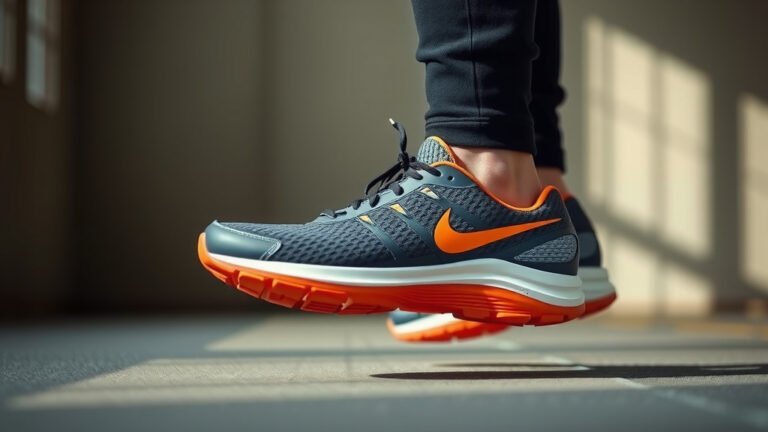

How to Choose Running Shoes for Muddy Trails
Choosing the right running shoes for mud means looking for shoes with aggressive tread patterns and water-resistant materials. This combination helps you grip slippery surfaces and keeps your feet relatively dry. You want something that sheds mud easily.
Muddy trails can be tricky. Without the right footwear, you risk slipping and sliding, which can lead to injuries. Many trail running shoes are designed for this, offering enhanced traction and protection against the elements. We’ve researched what works best.
- Look for deep, widely spaced lugs on the outsole for grip.
- Prioritize shoes with durable, water-repellent uppers.
- Consider a rock plate for underfoot protection.
- Check for good ankle support if you often run in very boggy terrain.
Let’s walk through exactly how to pick the best muddy trail shoes for your needs.
“`htmlFinding Your Perfect Pair of Mud Running Shoes
So, you’re heading out for a run, and the trail looks more like a swamp? No worries! Choosing the right shoes for muddy conditions is all about grip and keeping your feet as dry as possible. We’ve researched what makes a shoe a mud-conquering champion.
The Key Features You Need for Muddy Trails
When the ground turns to goo, your footwear needs to work extra hard. It’s not just about comfort anymore; it’s about safety and performance. We’ve found that focusing on a few specific features can make all the difference.
Traction: Your Best Friend in the Mud
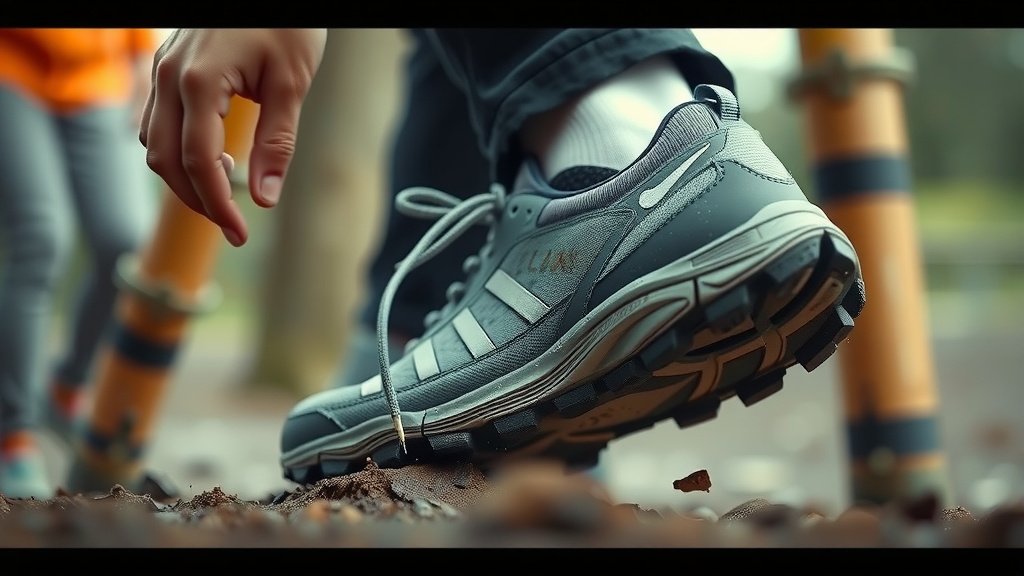
The outsole is where the magic happens for grip. You need deep lugs that can dig into the soft ground. Think of them like the treads on a tractor – they need to bite. Many trail running shoes designed for mud feature widely spaced lugs. This spacing helps shed mud quickly, preventing it from clogging up the sole. If the mud can’t stick, your shoe can’t slip as easily. We found that lugs should be at least 3mm deep, ideally more, to get a good hold.
Upper Materials: Shedding Water, Not Soaking It Up
Your feet will get wet, that’s a given. But how wet? The upper material of your shoe plays a big role. You want something that is water-resistant rather than fully waterproof. Why? Because truly waterproof shoes often don’t breathe well, leading to sweaty, uncomfortable feet. When water gets in, water-resistant uppers will let it drain out more easily. Materials like synthetic meshes with a tighter weave, or even some lighter, DWR (durable water repellent) treated fabrics, work well. We found that overly plush, padded uppers can become heavy when saturated. So, aim for a balance of protection and quick-drying capabilities.
Durability and Protection
Muddy trails often mean unseen hazards underfoot – rocks, roots, and sticks. You need shoes that can handle this abuse and protect your feet. Many trail shoes come with a rock plate. This is a thin, flexible layer embedded in the midsole that shields your foot from sharp objects. It’s like a subtle shield for your soles. We also found that reinforced toe caps are a great addition. They can save your toes from stubbing on hidden roots and add general toughness to the shoe.
Fit and Comfort in Wet Conditions
Even the best mud shoe won’t do you any good if it’s uncomfortable. When your feet get wet, they can swell slightly. It’s wise to look for shoes that offer a bit of extra room in the toe box. This prevents blisters and discomfort, especially on longer runs. We also found that a snug heel fit is important. You don’t want your foot sliding around inside the shoe, even when wet. A secure fit helps maintain stability on uneven terrain.
Understanding Outsole Lug Patterns for Mud
The pattern of the lugs on your shoe’s outsole is critical for mud traction. It’s not just about how deep they are, but how they are arranged.
Deep, Widely Spaced Lugs
As mentioned, this is your golden rule. Think of the lugs like teeth. Deep ones bite into the mud. Wide spacing between them is just as important. If lugs are too close together, the mud will pack in like cement. This makes the shoe slick. You want the mud to fall away with each step. Many brands design specific mud-grip outsoles with this principle in mind. We found that aggressive, arrow-shaped or chevron patterns can be very effective for forward traction.
Sticky Rubber Compounds
Beyond the pattern, the actual rubber compound matters. Some rubber is stickier than others. A softer, “stickier” rubber can conform to the ground better, providing more surface contact. However, softer rubber might wear down faster. Many trail shoe manufacturers use proprietary rubber blends designed for both grip and durability. We found that brands often state their rubber compound’s grip capabilities. Look for descriptions that highlight “sticky” or “high-traction” rubber.
Upper Considerations for Wet-Weather Running
Your shoe’s upper needs to handle a lot when you’re running through mud. It’s the first line of defense against water and debris.
Drainage and Quick Drying
You want your shoes to let water out as quickly as it comes in. Shoes with mesh panels that are open enough to allow drainage are ideal. Avoid shoes with thick, absorbent linings that will hold onto water. We found that many shoes designed for wet conditions have specific drainage ports or channels built into the midsole or upper. These help water escape faster, keeping your feet lighter and more comfortable.
Water-Resistant vs. Waterproof
This is a common point of confusion. A water-resistant shoe will repel light rain and splashes. It will also dry much faster if it gets soaked. A waterproof shoe (often with a Gore-Tex or similar membrane) aims to keep water out entirely. While this sounds good, waterproof shoes can get very hot and sweaty. If water does get over the top of the shoe, it’s trapped inside, leaving your feet feeling like they’re in a soggy sock. For most muddy trail running, water-resistant with good drainage is usually the better choice. Many experts say trapped heat can lead to blisters (American Academy of Podiatric Sports Medicine).
A Quick Checklist for Mud-Ready Shoes
Before you buy, run through this quick list:
- Does it have deep, widely spaced lugs on the outsole?
- Is the upper material water-resistant and quick-drying?
- Does it have a protective rock plate?
- Is there a reinforced toe bumper?
- Does the shoe fit snugly in the heel but offer toe room?
- Can you easily see how mud might shed from the tread?
When to Consider Extra Protection
If you frequently run in extremely boggy conditions, you might need a bit more support. This is especially true if you tend to roll your ankles.
Ankle Support
Some trail running shoes offer a mid-cut or higher design, similar to a hiking boot. These provide more ankle coverage and support. They can be helpful in very deep mud or on highly uneven terrain where ankle twists are more likely. However, they can also restrict movement and feel heavier. We found that for most runners, a standard low-cut shoe with excellent traction is sufficient. Only consider a mid-cut if you have persistent ankle stability issues or run in truly extreme conditions.
Gaiters
For the ultimate in mud protection, consider using gaiters. These are fabric attachments that cover the top of your shoe and extend up your ankle. They create a barrier, preventing mud, rocks, and debris from getting into your shoes from above. Many trail running shoes have small loops or tabs to attach gaiters securely. We found this to be a popular choice for ultra-runners tackling very technical or wet courses.
“`Conclusion
Choosing the right running shoes for muddy trails boils down to a few key elements: aggressive traction, effective drainage, and smart material choices. You want outsoles that bite deep into the muck and shed it quickly. Look for uppers that resist water but let it escape fast. Remember that a good fit, especially a secure heel and roomy toe box, is non-negotiable for comfort and stability. By prioritizing these features, you’ll conquer those muddy miles with confidence and safety. Your next step is to head to a running store and try on a few pairs that fit these criteria – your feet will thank you!
Frequently Asked Questions
Do I really need special mud running shoes?
While you can run in regular trail shoes, dedicated mud shoes offer superior grip and faster drainage. For frequent muddy runs, they’ll significantly improve your safety and comfort by preventing slips and waterlogged feet.
How important is the spacing of the lugs?
Lugs spacing is just as important as their depth. Widely spaced lugs prevent mud from packing into the outsole, which would make your shoes slick. This spacing allows the mud to clear with each step, ensuring consistent traction.
Should I get waterproof or water-resistant shoes for mud?
Water-resistant shoes are generally better for mud. They repel water initially and allow moisture to drain out quickly when they get soaked. Truly waterproof shoes can trap heat and sweat, leading to discomfort and blisters if water gets in over the top.
Can I use regular road running shoes in the mud?
We don’t recommend it. Road shoes have smooth outsoles designed for pavement, offering very little grip on slippery mud. They also lack the protective features and durable uppers needed for trail conditions.
How do I clean my mud running shoes after a run?
After a muddy run, rinse your shoes with a hose to remove excess mud. You can use an old toothbrush to scrub tough spots. Avoid using hot water or putting them in a washing machine, as this can damage the materials. Let them air dry completely away from direct heat.