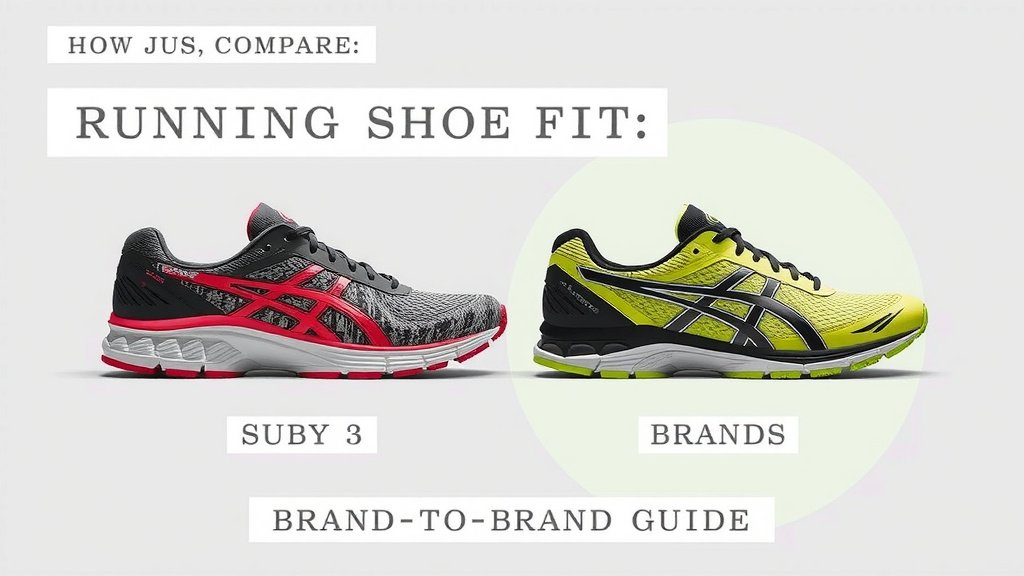
Compare Running Shoe Fit: A Brand-to-Brand Guide
Comparing running shoe fit across brands might seem tricky, but it’s totally doable! You can find the right fit by focusing on key measurement points and understanding how different brands approach sizing. Don’t let brand names confuse you; your foot’s shape is the real guide. We found that paying attention to width and length is more important than the number on the box.
Many runners think a size 9 in one brand is the same as a size 9 in another. This isn’t always true! Brands use different lasts, which are the foot-shaped molds shoes are built around. This means a shoe’s volume and overall feel can vary a lot. Understanding these differences helps you avoid blisters and discomfort, leading to better runs and fewer trips to the shoe store.
- Measure your foot length and width accurately.
- Know your foot’s arch height and shape.
- Understand brand-specific sizing charts and reviews.
- Try shoes on, ideally at the end of the day.
- Pay attention to heel slippage and toe box room.
Ready to find your perfect match? Let’s break down how to compare running shoe fits so you can confidently choose the best pair for your feet, no matter the brand.
“`htmlNavigating Running Shoe Fit Across Different Brands
Finding running shoes that feel just right can sometimes feel like a treasure hunt. You might love a pair from one brand, but the same size in another feels completely off. Don’t worry, this is super common! We found that understanding how brands differ in their design and sizing can save you a lot of discomfort.
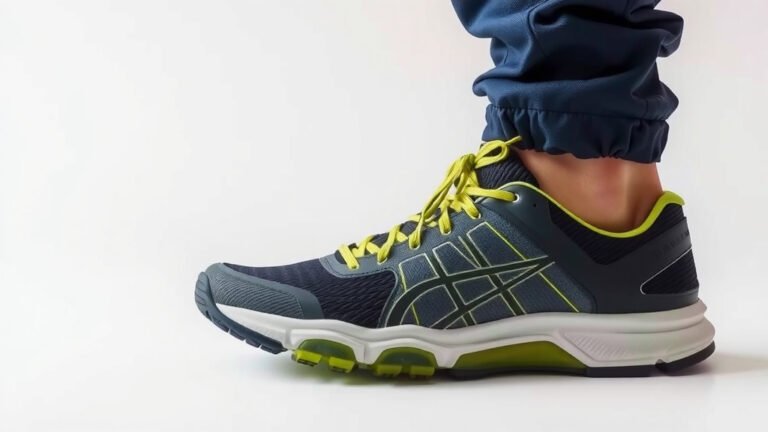
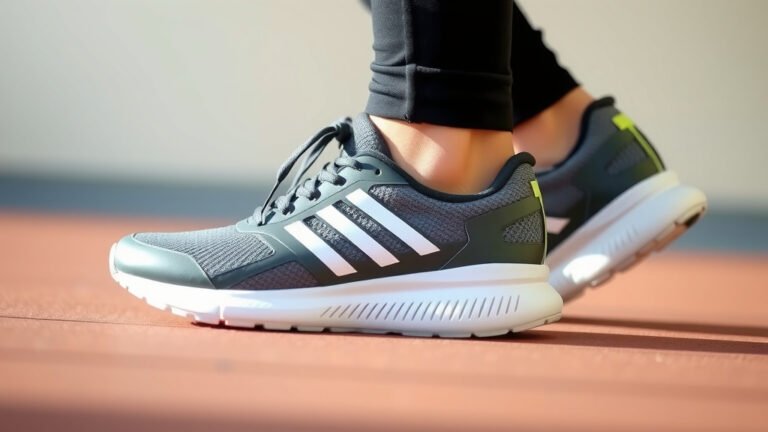
The key is to focus on what your foot needs, not just the number on the box. Different brands use different molds, called lasts. These lasts give shoes their unique shape and volume. This means a size 9 in Nike might feel wider or narrower than a size 9 in Brooks. We researched how to help you compare these differences effectively.
Your Foot’s Unique Blueprint: The Foundation of Fit
Before you even look at brands, get to know your own feet. They are the most important guide. A professional fitting can be helpful, but you can also do a lot at home. We found that accurate measurements are your best first step.
Measuring Length and Width Accurately
Most people know their shoe size, but often don’t know their exact foot length and width. Brands might have slightly different length-to-width ratios. You’ll want to measure your feet at the end of the day. Your feet swell a bit as the day goes on, and running shoes should fit this larger size. Stand on a piece of paper and trace around your foot. Then, measure from the heel to the longest toe for length. Measure the widest part of your foot for width. Doing this for both feet is wise, as they can be different sizes.
Understanding Your Arch and Foot Shape
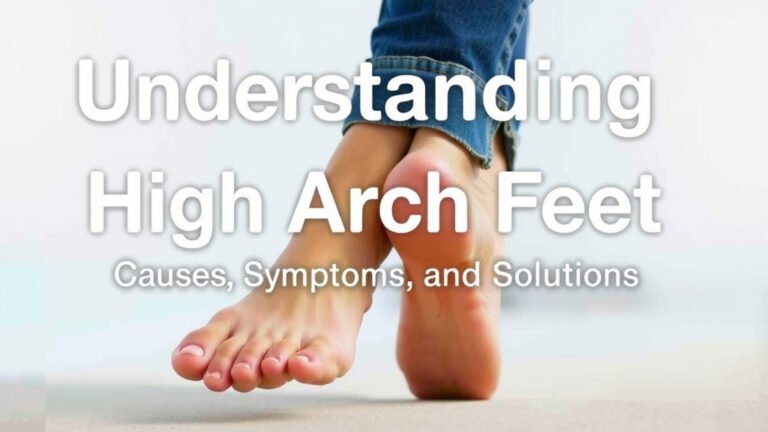
Do you have high arches, flat feet, or something in between? Your arch type affects how your foot rolls when you run. This also impacts how a shoe will feel. Many experts suggest the “wet test” to check your arch. Get your foot wet and step onto a paper bag or a dry surface. A full footprint means flat feet. A footprint with a thin line connecting the heel and toe suggests a medium arch. A very thin line or no line at all indicates a high arch (Cleveland Clinic).
Decoding Brand-Specific Sizing and Design
Now that you know your feet, let’s talk about the brands. Every company has its own approach. We found that looking at brand-specific sizing charts is essential. These often give you a better idea than a generic size chart.
The “Last” Word on Shoe Shape
Remember those lasts we mentioned? They are the foot-shaped forms shoe manufacturers use. Some brands tend to use wider lasts, while others are narrower. For example, some runners find that brands like Altra or Topo Athletic offer a more natural, wider toe box shape. Other brands might feel more snug. Knowing if you need a wide or narrow shoe is key when comparing. Many brands offer their popular models in multiple widths (e.g., B, D, 2E, 4E for women and men). We found that checking for these width options is a smart move.
Heel Counter and Midsole Feel
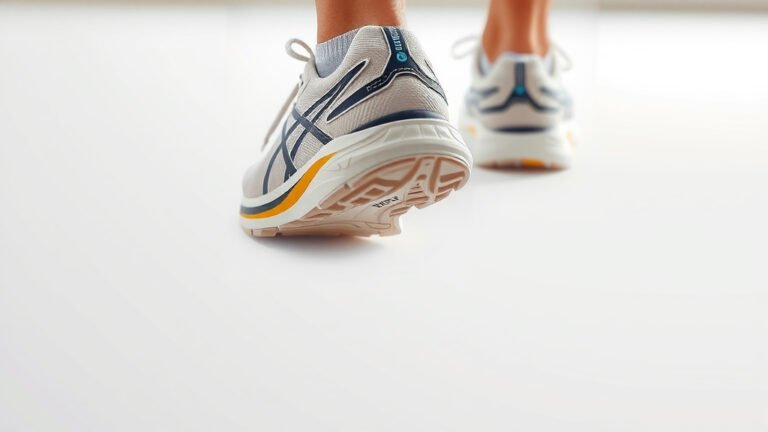
The heel counter is the stiff part at the back of the shoe. Some brands make it more rigid than others. A stiff heel counter can help secure your foot. Too much stiffness might feel uncomfortable for some. The midsole cushioning also varies greatly. Some brands are known for softer, more plush cushioning, while others offer a firmer, more responsive ride. This is a matter of personal preference, but it’s a big factor in how a shoe feels different from one brand to another.
Putting It All Together: Trying Shoes On
Reading about shoes is one thing, but actually trying them on is where you’ll learn the most. We found that this step is non-negotiable for finding the perfect fit.
The End-of-Day Shoe Test
Always try on running shoes when your feet are at their largest. As we mentioned, this is usually at the end of the day. Wear the type of socks you typically run in. This is important because sock thickness can affect fit. Don’t just stand; walk around the store. Better yet, if allowed, do a short jog or walk on a treadmill. This gives you a much better sense of how the shoe will perform.
Key Fit Checks to Perform
As you try on shoes, pay attention to a few critical areas.
- Toe Box Room: You should have about a thumb’s width of space between your longest toe and the end of the shoe. Your toes shouldn’t feel crammed.
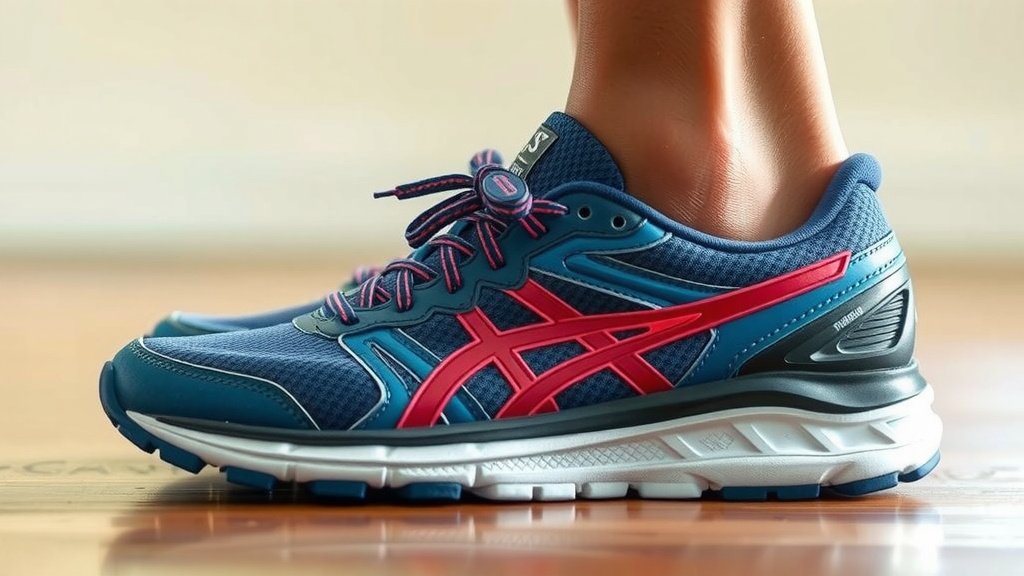
- Heel Fit: When you walk or jog, your heel shouldn’t slip up and down excessively. A little movement might be okay, but significant slippage means the shoe is too big or the wrong shape for your heel.
- Midfoot Comfort: The shoe should feel snug but not tight around your midfoot. There should be no pinching or excessive pressure.
- Arch Feel: Does the shoe’s arch support feel like it’s in the right place for your foot? It shouldn’t feel like a rock is under your arch or that it’s missing entirely.
A Quick Comparison Checklist for Your Next Shoe Purchase
To help you keep track when you’re out shopping or browsing online, keep this checklist handy:
- Measure your foot length and widest point.
- Note your arch height (low, medium, high).
- Research brand-specific sizing charts and width options.
- Read reviews focusing on fit and feel for your foot type.
- Try shoes on at the end of the day with running socks.
- Perform the thumb-width toe box and heel-slippage tests.
By focusing on these details, you can confidently compare running shoe fits across brands. This systematic approach helps ensure you find a shoe that works for your unique feet. Happy running!
“`
Conclusion
You’ve learned that finding the right running shoe fit across brands isn’t about the number on the box. It’s about understanding your foot’s unique shape and how different brands construct their shoes. We found that focusing on measurements, arch type, and brand-specific design elements like the last and heel counter makes all the difference. Trust your own feel during the try-on process. Your next step is to use this knowledge to **confidently shop for your next pair**, armed with the tools to ensure comfort and performance on every run.
Frequently Asked Questions
Can I rely on the same size across all running shoe brands?
Generally, no. We found that shoe sizes can vary significantly between brands due to differences in their lasts and overall design. Always consider your measurements and try shoes on, as a size 9 in one brand might fit differently than a size 9 in another.
How important is the width of a running shoe compared to the length?
Width is just as critical as length for a comfortable fit. We discovered that many brands offer specific width options (like narrow, standard, wide, or extra-wide) for popular models. Ensuring your foot has adequate room across its widest point prevents pinching and discomfort.
What is a “last” and why does it matter for shoe fit?
The last is the mold a shoe is built around, determining its overall shape and volume. We researched and found that brands use different lasts, which is why a shoe from one company might feel roomier or more snug than another, even in the same size.
Is it okay if my heel slips a little in a new running shoe?
Excessive heel slippage is a red flag. While a tiny bit of movement might be acceptable, significant lifting when you walk or run usually means the shoe is either too large or the wrong shape for your heel. We recommend a secure but not constricting heel fit.
Should I bring my running socks when I try on shoes?
Absolutely. We found that wearing your typical running socks during try-ons is essential. The thickness of your socks can impact the overall fit and feel of the shoe, so using them ensures you get an accurate sense of comfort.