Best Shoes for Collapsed Arches: Expert Guide
Choosing the right shoes for collapsed arches, also known as flat feet, means looking for excellent arch support and plenty of cushioning. Shoes designed for overpronation or stability are often the best choice. They help control the inward rolling of your foot. This can reduce pain and prevent further issues.
When your arches have fallen, your feet may need extra help. This is especially true if you experience foot pain or discomfort. The right footwear can make a big difference in your daily comfort. It can support your foot’s natural structure. We’ve looked at what helps people with this condition.
- Look for shoes with strong arch support.
- Prioritize shoes that offer good cushioning.
- Stability shoes are often a great option.
- Check for a deep heel cup for better control.
- Don’t forget to consider the fit!
Let’s walk through exactly what to look for in shoes that can help your collapsed arches feel much better.
Dealing with collapsed arches can feel like walking on an uneven road all the time. Your feet might ache after a short walk, or you might notice fatigue setting in quickly. The good news is that the right shoes can be like finding a smooth path. They can offer the support and comfort you need to get through your day. We’ve found that focusing on a few key features makes a big difference.
Finding Supportive Footwear for Fallen Arches
When your arches have fallen, your feet lose some of their natural shock absorption. This can lead to strain on your feet, ankles, and even your knees. The goal is to find shoes that help correct or compensate for this. We looked into what makes a shoe effective for this specific need.
Understanding Arch Support in Your Shoes
Arch support is basically a built-in structure in the shoe’s sole. It’s designed to fill the gap under your arch. For collapsed arches, this support needs to be firm and well-placed. It helps to redistribute pressure evenly across your foot. This prevents the arch from collapsing too much.
What Does “Good” Arch Support Feel Like?
You should feel a gentle but firm lift under the middle of your foot. It shouldn’t feel like a hard, unyielding lump. Instead, it should feel like your arch is being held. Many experts suggest that this support should align with the natural curve of your foot (American Podiatric Medical Association).
The Role of Cushioning and Shock Absorption
Beyond just support, cushioning is vital. Collapsed arches often mean less natural shock absorption. Good cushioning acts like tiny shock absorbers with every step. This reduces the impact on your joints. We found that shoes with ample cushioning in the midsole are often the most comfortable.
Where Cushioning Matters Most
Pay attention to the cushioning in the heel and forefoot. These areas take the brunt of the impact when you walk or run. Memory foam, gel inserts, or advanced foam compounds can all provide excellent cushioning. It’s about finding what feels plush yet supportive to you.
Key Shoe Features for Comfort and Stability
When you’re shopping, there are specific design elements to look for. These features work together to support your foot. They help manage the effects of fallen arches.
Stability Shoes: Your New Best Friend?
Stability shoes are often recommended for people with overpronation, which frequently accompanies collapsed arches. These shoes are designed to control the inward rolling motion of your foot. They offer features that guide your foot into a more neutral position.
What Makes a Shoe a “Stability Shoe”?
Stability shoes typically have a firmer density foam on the inner side of the midsole. This is often called a “medial post.” They also tend to have a stiffer heel counter to help control pronation. Many podiatrists recommend this type of shoe for its corrective properties (Cleveland Clinic).
The Importance of a Deep Heel Cup
A deep heel cup is more than just a place for your heel to sit. It’s a structure that cradles your heel bone. This helps to keep your foot stable and aligned. For fallen arches, this means better control over foot movement. It can reduce strain on your ankle.
Why a Snug Heel Matters
A heel cup that is too shallow can let your heel slip. This instability can worsen foot pain. We recommend trying on shoes and checking how your heel feels. It should feel secure without being tight or causing blisters.
Materials and Fit: Don’t Forget These!
Even the most supportive shoe won’t work if it’s not made well or doesn’t fit. These final details are incredibly important for your comfort.
Flexible but Supportive Materials
The upper part of the shoe should be breathable. Materials like mesh are great for ventilation. However, the shoe also needs some structure. A shoe that’s too flimsy won’t offer enough support. Look for a good balance between flexibility and sturdiness.
The Ultimate Fit: What to Look For
This might be the most important step. Even a great shoe can cause problems if it doesn’t fit correctly. Your foot needs about a thumb’s width of space between your longest toe and the end of the shoe. Make sure the shoe is wide enough for your foot. No pinching or squeezing should occur.
Trying Shoes On: Tips We’ve Found Helpful
Always try shoes on at the end of the day. Your feet swell throughout the day. This ensures you’re getting a fit that will be comfortable even when your feet are at their largest. Wear the type of socks you usually wear with that shoe. Walk around the store to feel how they move with your feet.
A Quick Checklist for Shoe Shopping
To make your shopping trip easier, keep these points in mind:
- Firm Arch Support: Can you feel a noticeable, supportive curve?
- Ample Cushioning: Does it feel soft underfoot but not mushy?
- Stability Features: Is there a firm heel counter and possibly a medial post?
- Deep Heel Cup: Does your heel feel secure and cradled?
- Proper Fit: Is there enough room in the toe box and no pinching?
- Your Comfort: Does it feel good when you walk in it?
Conclusion
Choosing the right shoes for collapsed arches is a game-changer for your comfort. You’ve learned that focusing on firm arch support and generous cushioning is key. Stability shoes with a deep heel cup are excellent allies. Remember that a proper fit is non-negotiable, and materials should balance flexibility with structure. Don’t let foot pain hold you back. Your next step is to put this knowledge to work by trying on shoes that meet these criteria. Your feet will thank you for it!
Frequently Asked Questions
Do I need special shoes for collapsed arches if I’m not in pain?
Even without immediate pain, collapsed arches can affect your foot mechanics over time. Wearing supportive shoes can help prevent future issues like fatigue or strain on your joints. It’s about long-term foot health and comfort.
Can athletic shoes work for collapsed arches?
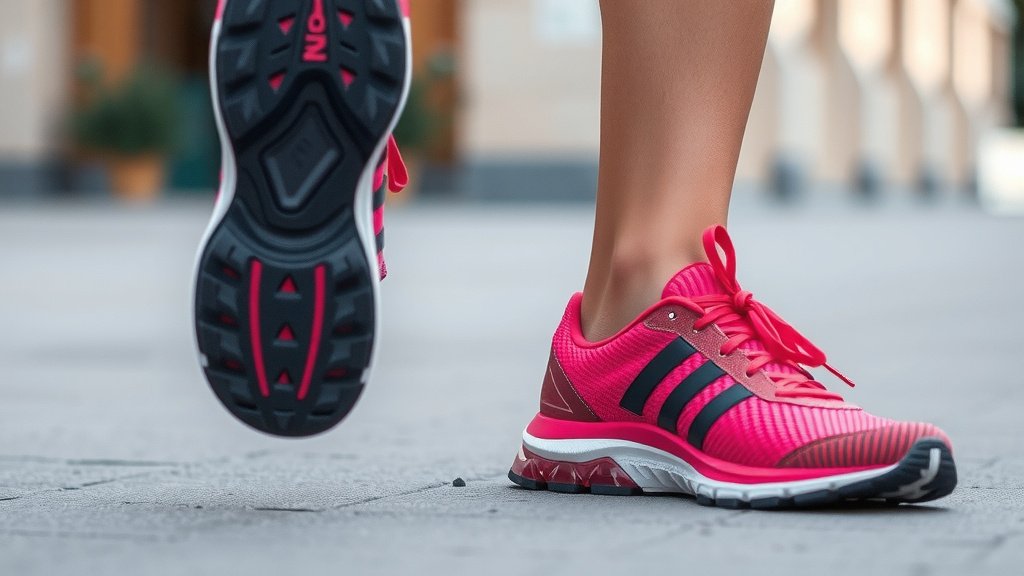
Yes, many athletic shoes, especially running or walking shoes, are designed with excellent arch support and cushioning. Look for models specifically labeled as “stability” or “motion control” for the best results.
How often should I replace my shoes for collapsed arches?
Generally, you should replace supportive shoes every 300-500 miles of use, or about every 6-12 months depending on wear. Worn-out cushioning and support won’t help your arches anymore.
What’s the difference between arch support and cushioning?
Arch support is the structure that lifts and fills the arch area. Cushioning is the soft material that absorbs shock. Both are vital for collapsed arches, but they serve different functions.
Can I add arch support inserts to my current shoes?
Sometimes, yes. Over-the-counter or custom orthotics can add extra support to shoes that lack it. However, they work best in shoes that already have a good foundation and enough depth to accommodate the insert comfortably.