Tempo Running Shoes Explained for Faster Paces
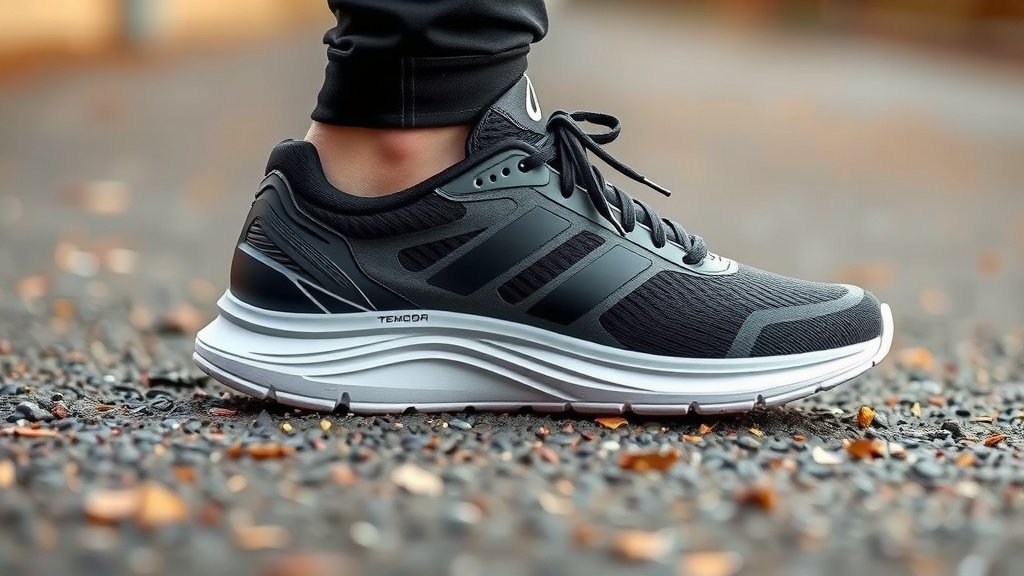
A tempo running shoe is designed to help you run faster for longer periods. It’s a shoe that offers a A tempo running shoe is designed to help you run faster for longer periods; our guide explains how to choose tempo running shoes.balance of cushioning and responsiveness. This helps you maintain a quicker pace without feeling like you’re sacrificing comfort or efficiency. Think of it as your secret weapon for those steady, challenging runs.
These shoes bridge the gap between everyday trainers and super-light racing flats. They give you enough support for sustained effort. Yet, they also have a certain springiness. This propels you forward with each stride, making your tempo runs feel more manageable and even enjoyable. Many runners find they’re perfect for speed workouts and longer races.
- Tempo shoes help you run faster for longer.
- They balance cushion and responsiveness.
- They’re great for speed workouts and races.
- They aren’t as soft as trainers or as light as racers.
Ready to pick up the pace? Let’s walk through exactly what makes a tempo shoe tick.
Understanding Tempo Running Shoes
So, what exactly makes a shoe a “tempo” running shoe? It’s all about finding that sweet spot between a daily trainer and a super-light racing shoe. These shoes are engineered to help you run at a faster, more sustained pace. Think of them as your reliable partner for those challenging speed workouts and longer races. They aim to make your faster miles feel more comfortable and efficient.
The Core Features of Tempo Shoes
Tempo running shoes blend a few key characteristics. They offer a good amount of cushioning. This helps protect your legs and feet during longer, faster efforts. But they also provide excellent responsiveness. This means they give energy back to you with each step. You’ll feel a lively, springy sensation. This helps you maintain your pace without feeling like you’re working harder than you need to. It’s a balance that’s hard to achieve, but tempo shoes nail it.
Cushioning: More Than Just Softness
When we talk about cushioning in tempo shoes, it’s not just about feeling soft. The cushioning needs to be firm enough to provide a stable platform. Too much soft cushioning can feel mushy. This can slow you down and make it harder to push off. Tempo shoes often use foams that are both protective and energetic. You get the comfort you need for miles. But you also get the firm feel that helps you transition quickly through your stride.
Responsiveness: The Spring in Your Step
Responsiveness is where tempo shoes really shine. This is the shoe’s ability to give you energy back. It’s like a trampoline effect. You land, and the shoe compresses. Then, it springs back, propelling you forward. This feature is often achieved through advanced foam compounds. Sometimes, plates are also incorporated. These plates, often made of carbon or nylon, work with the foam. They help stabilize the foam and enhance the forward- οδηγικό (odigo-ko, Greek for driving/propelling) feel. This makes your stride feel more efficient.
Weight: The Balancing Act
Tempo shoes are generally lighter than your average daily trainer. They aren’t as light as a minimalist racing flat. This moderate weight is important. It allows you to move more quickly. But it still provides enough structure and cushioning for comfort. You don’t want a shoe that feels heavy when you’re trying to pick up the pace. You also don’t want one that feels flimsy and offers no support for longer distances.
Fit and Feel: Snug but Not Tight
The fit of a tempo shoe is usually a bit more snug than a daily trainer. This is to ensure your foot stays secure. It prevents excessive movement inside the shoe. This is especially important when running fast. A secure fit helps with efficiency. It ensures that the energy you’re putting into your stride is actually going into forward motion. You should feel locked in. Your heel shouldn’t slip. But you still need enough room in the toe box. Your toes need to splay naturally.
Who Benefits Most from Tempo Shoes?
Tempo running shoes are fantastic for a wide range of runners. If you’re looking to improve your speed, these are for you. They are perfect for runners who do regular speed work. This includes intervals and tempo runs. They’re also great for runners who participate in races. This could be anything from a 5k to a marathon. If you want a shoe that can handle faster paces without sacrificing too much comfort, a tempo shoe is a great choice.
The Everyday Runner Looking to Speed Up
Many runners use their daily trainers for everything. This is fine for easy runs. But when you want to run faster, a shoe designed for speed can make a big difference. Tempo shoes offer that boost. They encourage a quicker cadence. They make faster paces feel more sustainable. You might find yourself naturally picking up the pace. This is without feeling undue fatigue.
The Competitive Racer
For those who race regularly, tempo shoes are a staple. They offer a middle ground. They’re more substantial than pure racing flats. This means they provide better support and cushioning for longer efforts. They are still light enough to feel fast. Many runners find them ideal for race day. They can often handle the distance better than a very minimalist option.
The Runner Seeking Versatility
If you like to have one shoe that can do a bit of everything, a tempo shoe is a strong contender. It can handle your easy runs, albeit with a bit more pep. It excels at your speed workouts. And it can take you through race day comfortably. It’s a versatile option for many training plans.
Tempo Shoes vs. Other Running Shoes
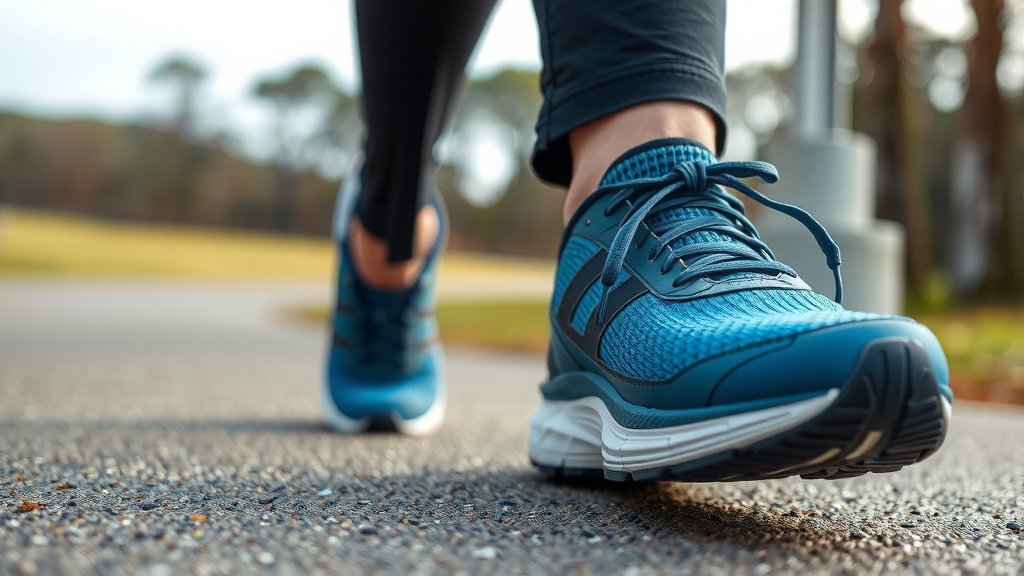
It helps to see where tempo shoes fit in the running shoe spectrum. Understanding the differences can guide your choice.
| Shoe Type | Cushioning | Responsiveness | Weight | Best For |
|---|---|---|---|---|
| Daily Trainers | High & Soft | Moderate | Medium-Heavy | Easy runs, recovery runs |
| Tempo Shoes | Moderate & Firm | High | Medium-Light | Speed workouts, tempo runs, races |
| Racing Flats | Low | Very High | Very Light | Short races, very fast runners |
Daily Trainers: The Workhorses
Daily trainers are built for comfort and durability. They offer ample cushioning. This makes them ideal for logging easy miles. They are generally heavier than tempo shoes. Their focus is on shock absorption. They aren’t designed for maximum speed. Think of them as your reliable everyday car.
Racing Flats: The Speed Demons
Racing flats are the opposite end of the spectrum. They are incredibly lightweight. They offer minimal cushioning. Their primary goal is speed. They allow for a very fast turnover. However, they offer less protection. This makes them best suited for shorter races or for runners who are very efficient. They can be tough on the legs for longer distances.
What to Look for in Your Next Tempo Shoe
When you’re shopping for tempo running shoes, keep these points in mind. You want a shoe that feels good on your foot. You want it to perform well when you pick up the pace.
- Foam type: Look for advanced foams. They offer a blend of softness and energy return.
- Upper material: A breathable, secure upper is key. It should hold your foot comfortably.
- Outsole grip: You need good traction. This is especially important for wet conditions.
- Midsole geometry: Some shoes have a rocker shape. This can help with a smoother transition.
- Personal preference: Ultimately, the best shoe is the one that feels best to you.
Consider your running goals. Think about your foot strike. And always try them on if you can!
Conclusion
You now understand what tempo running shoes are all about. They strike a sweet spot between cushioned daily trainers and lightweight racing flats. These shoes offer the ideal blend of cushioning and responsiveness. This helps you push your pace for longer periods comfortably. Whether you’re aiming to speed up your training runs or tackle races, tempo shoes can be your go-to gear. Think of them as your secret weapon for hitting those faster miles with confidence. Ready to find your perfect pair? Your next step is to try on a few different models and see how they feel on your feet during a test run.
Frequently Asked Questions
Can I use tempo shoes for my easy runs too?
You can, but it’s generally not recommended. Tempo shoes are designed for faster paces. Their firmer cushioning and responsive nature might feel less comfortable for very slow, easy miles. Daily trainers are usually a better choice for your recovery and easy runs to maximize comfort and durability.
Are tempo shoes good for beginners?
Tempo shoes can be a great option for beginners looking to incorporate speed work into their training. They offer a good balance of support and responsiveness. This can help new runners feel more confident and efficient when picking up the pace, without being overly aggressive like some racing shoes.
Do I need special socks to wear with tempo shoes?
No, you don’t need special socks. Standard running socks are perfectly fine. The key is to ensure your socks fit well and help manage moisture. This will prevent blisters and keep your feet comfortable, regardless of the type of shoe you’re wearing.
How often should I replace my tempo running shoes?
Like most running shoes, tempo shoes typically last between 300 to 500 miles. However, this can vary based on your weight, running form, and the surfaces you run on. Keep an eye out for signs of wear and tear, such as reduced cushioning or a worn-out outsole.
What’s the main difference between tempo shoes and racing flats?
The primary difference lies in cushioning and weight. Tempo shoes offer more cushioning and support than racing flats. They are built for sustained speed over longer distances. Racing flats are much lighter with minimal cushioning. They are best suited for shorter, all-out efforts where pure speed is the priority.