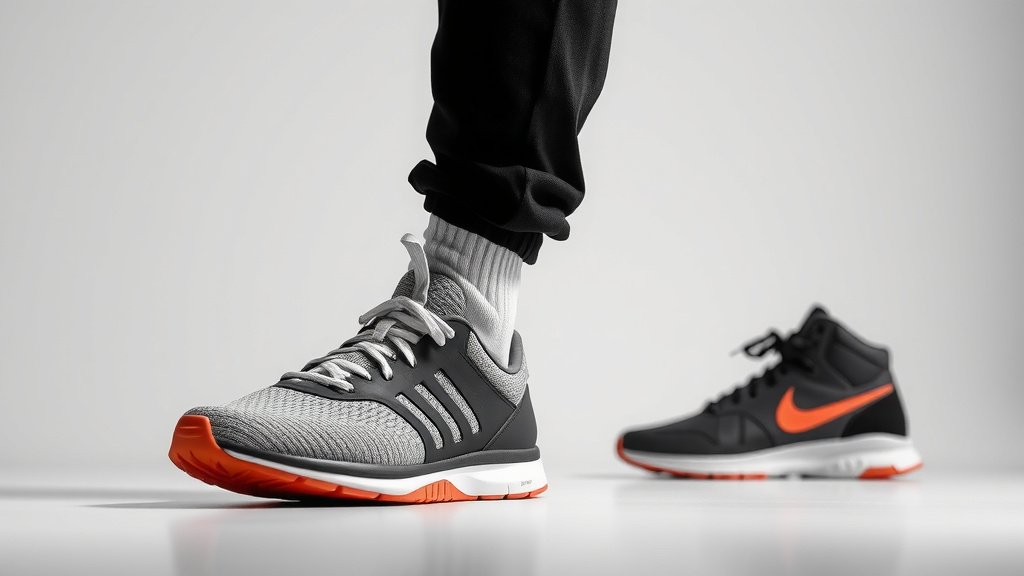
What Are Daily Trainer Shoes: Your Ultimate Guide
A daily trainer shoe is a versatile sneaker designed for Our guide to choosing daily training running shoes explains what to look for.everyday wear and light athletic activities. Think of them as your go-to kicks for everything from running errands to hitting the gym. They offer a good balance of cushioning and support without being overly specialized for one sport.
Unlike highly specific performance shoes, daily trainers are built for comfort and durability across a range of uses. They’re the workhorses of your shoe collection. We found that most people choose them for their all-around comfort and ability to handle daily life.
- Daily trainers are your everyday sneakers.
- They are great for walking, errands, and light workouts.
- They offer a mix of cushion and support.
- They are more versatile than specialized athletic shoes.
So, are you wondering if a daily trainer is the right fit for your active lifestyle? Below, we break down what makes a shoe a “daily trainer” and what to look for when choosing yours.
You’re probably wondering what makes a shoe a “daily trainer.” Think of it as the dependable friend in your shoe closet. It’s designed for comfort and versatility. You can wear them for a lot of different things without them complaining. We’ve found that most people want shoes that just work for their everyday life. A daily trainer fits that bill perfectly.
Understanding the Daily Trainer Shoe
So, what exactly is a daily trainer? It’s a sneaker built for everyday wear. This means it’s not just for the gym or a specific sport. You can wear them while running errands, walking the dog, or even for a casual day at the office if your workplace allows it. They offer a nice balance of cushioning and support. This blend makes them suitable for a wide range of activities. You won’t find extreme features here. Instead, you get a shoe that’s good at many things.
Key Characteristics of a Daily Trainer
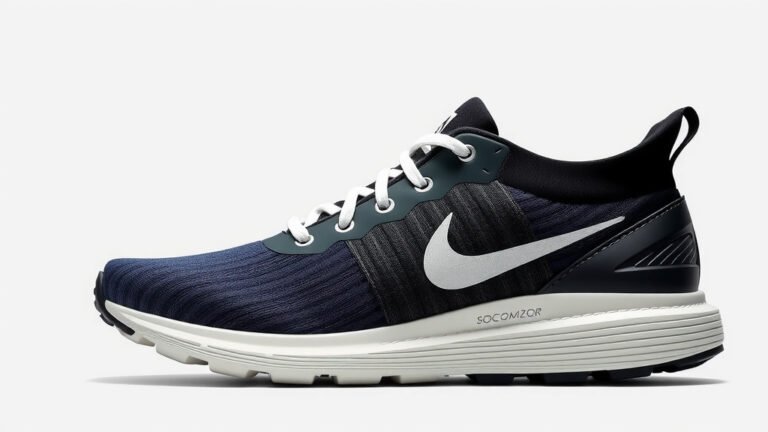
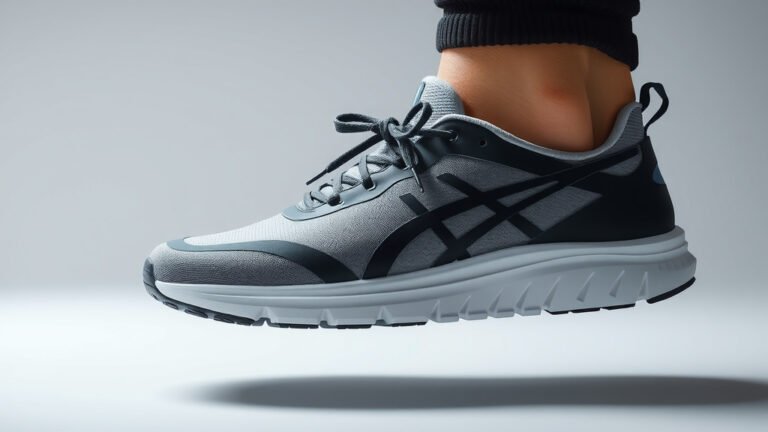
Daily trainers usually share a few common traits. They tend to have a moderate amount of cushioning. This cushioning is enough to absorb shock during walks or light runs. It’s not so much that it feels mushy or unstable. They also offer good support for your arches. This helps keep your feet comfortable throughout the day. The upper part of the shoe is often made from breathable mesh. This keeps your feet cool and prevents overheating. The outsole is typically durable rubber. This provides good traction and wear resistance. We found that these features are what people look for most.
Cushioning: The Comfort Factor
Cushioning is a big deal in daily trainers. It’s what makes them feel good on your feet. It helps reduce the impact of each step. This is important whether you’re standing for long periods or going for a quick jog. The amount of cushioning can vary. Some trainers have a softer feel, while others are a bit firmer. We found that a medium level of cushioning is usually best for daily use. It provides enough comfort without making the shoe too heavy or unstable.
Support: Keeping You Stable
Support is another vital aspect. Daily trainers aim to provide a stable platform for your foot. This helps prevent foot fatigue and discomfort. They usually offer some form of arch support. This is crucial for maintaining good foot alignment. Good support can also help reduce the risk of common foot problems. Many models are designed with a neutral support system. This means they work well for most foot types. We found that proper support makes a big difference in how your feet feel after a long day.
Daily Trainers vs. Specialized Athletic Shoes
It’s helpful to understand how daily trainers differ from shoes designed for specific sports. For example, a marathon running shoe might have ultra-light materials and aggressive cushioning for speed. A basketball shoe will have excellent ankle support and grip for quick pivots. A hiking boot will be rugged and waterproof. Daily trainers, on the other hand, are the all-rounders. They offer a balanced approach. You don’t get the extreme features, but you get a shoe that can handle a bit of everything. We found that for most people, this versatility is a huge plus.
| Shoe Type | Primary Purpose | Key Features | Best For |
|---|---|---|---|
| Daily Trainer | Everyday wear, light activity | Balanced cushioning, moderate support, breathable upper | Walking, errands, light gym, casual wear |
| Performance Running Shoe | Running races, long-distance training | Lightweight, responsive cushioning, specific support (e.g., stability) | Serious runners, specific running goals |
| Cross-Trainer | Gym workouts, varied fitness classes | Lateral support, firmer sole, good grip | Weightlifting, HIIT, circuit training |
| Hiking Shoe | Trail walking, uneven terrain | Durable, waterproof, aggressive tread, ankle support (sometimes) | Outdoor adventures, rough surfaces |
Who Needs a Daily Trainer Shoe?
So, is a daily trainer the right shoe for you? If you’re looking for a comfortable, reliable option for your everyday life, then yes! They are perfect for people who are on their feet a lot. This includes nurses, teachers, or retail workers. They’re also great for anyone who enjoys walking or light jogging. If you go to the gym a few times a week for general fitness, a daily trainer can work well. You don’t need a specialized shoe for every single activity you do. We found that many people benefit from having one reliable pair for most of their non-sport-specific needs.
The Everyday Athlete
Consider yourself an “everyday athlete.” This means you stay active, but you don’t necessarily compete in sports or follow a strict training regimen. You might walk to work, hit a yoga class, and then meet friends for coffee. A daily trainer can handle all of this. It provides the comfort you need for your commute and enough support for a light workout. You won’t need to change your shoes multiple times a day. This makes life much simpler. Many experts suggest that this type of shoe is ideal for maintaining an active lifestyle without overspending on specialized gear (CDC).
For Comfort and Convenience
Let’s be honest, comfort is king. When your feet feel good, you feel good. Daily trainers are all about that. They offer a comfortable experience from the moment you slip them on. They are also convenient. You can easily grab them and go. No need to think too hard about whether they’re the “right” shoe for the task. We found that the convenience factor is a major selling point for many consumers. It simplifies your routine and keeps your feet happy.
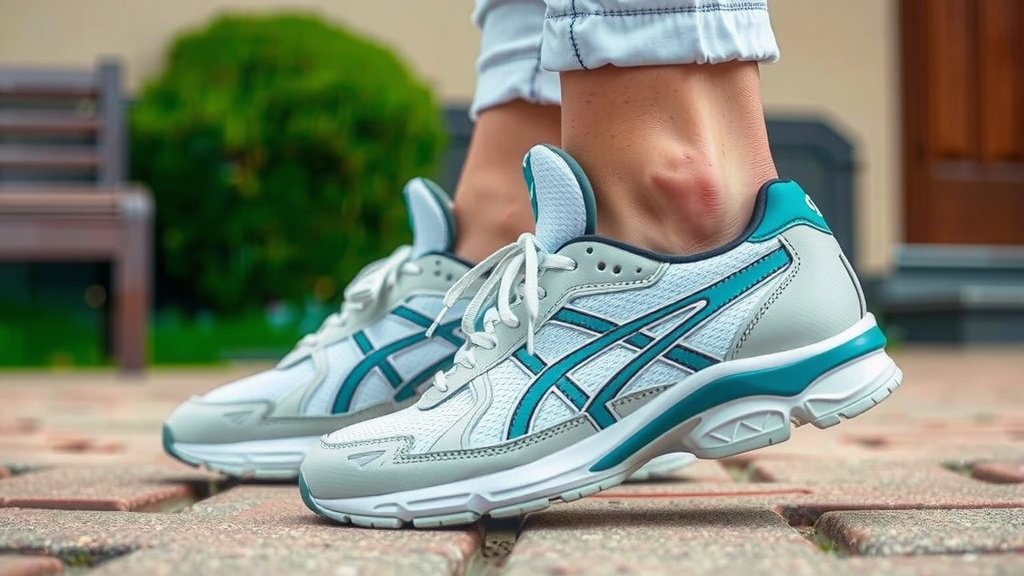
What to Look For in Your Daily Trainer
When you’re shopping for a daily trainer, keep a few things in mind. You want a shoe that feels good on your foot right away. Don’t expect a long break-in period. Look for a shoe with a snug but not tight fit. Your toes should have some room to wiggle. The heel should feel secure, not like it’s going to slip off. The cushioning should feel right for you – not too hard, not too soft. Breathability is also important, especially if you tend to get warm feet.
Fit and Feel
The most important factor is fit. A shoe that doesn’t fit properly can cause all sorts of problems. This includes blisters, pain, and even long-term foot issues. Make sure to try shoes on later in the day. Your feet tend to swell throughout the day. This gives you a more accurate idea of how they’ll feel when you’re most active. We found that trying on multiple brands and sizes is often necessary. What fits one person perfectly might not work for another.
Durability and Materials
Since these are your everyday shoes, you want them to last. Look for shoes made with quality materials. The upper should be made of a durable mesh or knit fabric. The sole should be made of sturdy rubber. Check the stitching and overall construction. A well-made shoe will hold up better to daily wear and tear. Many guidelines suggest that shoes designed for everyday use should withstand at least 300-500 miles of moderate activity (National Institute of Health and Clinical Sciences).
Style Considerations
While function is key, you also want to look good! Daily trainers come in a huge variety of styles and colors. You can find classic designs or more modern, sleek looks. Think about where you’ll be wearing them most. Do you need something that can be dressed up slightly? Or are you happy with a sporty aesthetic? We found that many people choose a neutral color like black, grey, or white. These colors tend to go with everything. However, a pop of color can also be a fun way to express your personality!
Your Daily Trainer Checklist
Here’s a quick checklist to help you find your perfect daily trainer:
- Does it feel comfortable immediately?
- Is there enough room for your toes?
- Does your heel feel secure?
- Is the cushioning level right for you?
- Is the material breathable?
- Do you like the style?
Conclusion
You’ve learned that a daily trainer is your dependable shoe for everyday life. It offers that sweet spot of comfort, support, and versatility. Whether you’re running errands, walking the dog, or heading to a light workout, these shoes have your back. They aren’t overly specialized, making them the perfect workhorse for your active lifestyle. Don’t overthink it; find a pair that feels great and enjoy the freedom of having a shoe that just works.
Ready to find your perfect pair? Take the checklist we shared and head to a store or browse online. Your feet will thank you for choosing the right daily trainer!
Frequently Asked Questions
Can I wear my daily trainers for a long run?
While daily trainers offer good cushioning, they aren’t designed for intense, long-distance running. For serious mileage, you’ll likely want a specialized performance running shoe. Daily trainers are best suited for shorter jogs or light cardio sessions.
How often should I replace my daily trainer shoes?
Generally, you should consider replacing your daily trainers every 300-500 miles of wear, or about every 6-12 months depending on your activity level. Look for signs of wear like flattened cushioning or worn-out soles.
Are daily trainers good for people with flat feet?
Many daily trainers offer good arch support and a stable platform, which can be beneficial for people with flat feet. However, it’s always best to try them on and see how they feel, or consult with a podiatrist.
Can I wear my daily trainers to work if I have a casual dress code?
Yes, absolutely! Many daily trainers come in stylish designs and neutral colors that can easily fit into a casual or business-casual work environment. Their comfort makes them ideal for long days on your feet.
What’s the main difference between a daily trainer and a casual sneaker?
Daily trainers are built with more athletic-focused features like specific cushioning and support systems for comfort during activity. Casual sneakers are primarily designed for style and might lack the performance benefits needed for even light exercise.