Choosing a Stable Neutral Shoe: Your Guide
Choosing a stable neutral shoe means finding a shoe that offers a balanced feel without extra support. You want a shoe that lets your foot move naturally. Look for a midsole that feels firm yet flexible to support your stride. Finding the right pair can feel like a treasure hunt, but we’re here to help!
Neutral shoes are great for runners whose feet don’t overpronate or supinate. This means your foot rolls inward or outward too much. A good neutral shoe will offer plenty of cushioning without forcing your foot into a certain position. It’s about finding what feels right for your unique foot strike. Your unique foot strike influences shoe choice, and this guide explains how.
- Look for balanced cushioning.
- Check for flexibility and a firm feel.
- Test how your foot moves naturally.
- Consider your personal stride.
Let’s walk through exactly how to find a stable neutral shoe that will make your feet happy, step by step.
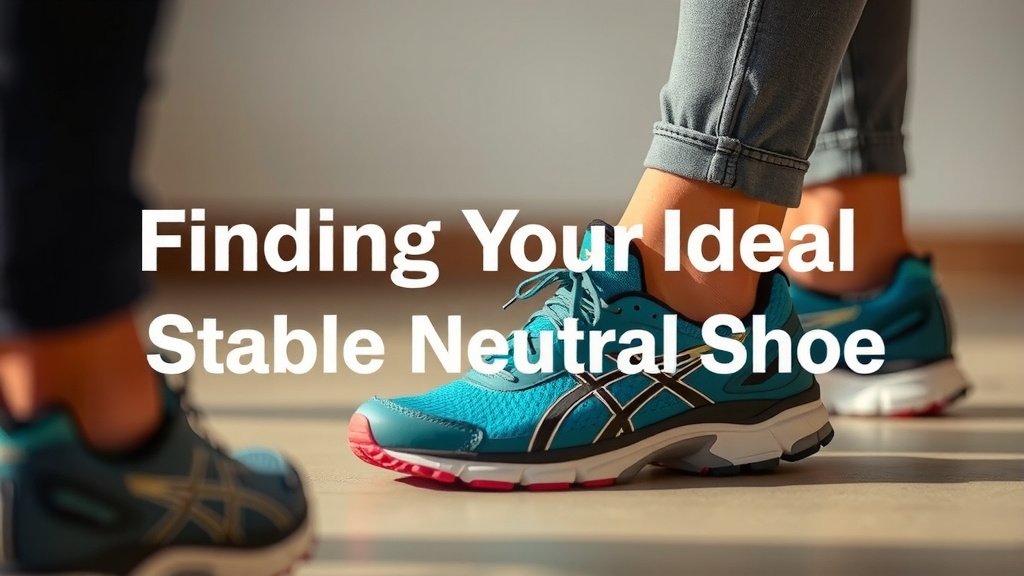
Finding Your Ideal Stable Neutral Shoe
Choosing a stable neutral shoe means you’re aiming for a great balance. You want a shoe that supports your natural foot movement. It shouldn’t force your foot into a specific position. Think of it as a comfortable, reliable friend for your runs. This guide will help you find that perfect pair.
Understanding Neutral Shoes and Stability
Neutral shoes are designed for runners with a neutral foot strike. This means your foot lands and rolls evenly. You don’t need extra support to correct overpronation (foot rolling inward too much). You also don’t need it for supination (foot rolling outward too much). Stable neutral shoes offer cushioning and a bit more structure.
What Does “Stable Neutral” Really Mean?
The term “stable neutral” can be a little confusing. It doesn’t mean rigid or stiff. It means the shoe has features that help keep your foot feeling secure. This can include a slightly firmer midsole. It might also have a heel counter that cradles your foot. The goal is to provide a steady ride without feeling restrictive. Many experts suggest this balance is key for injury prevention (American Podiatric Medical Association).
The Role of Cushioning
Cushioning is vital in any running shoe. For stable neutral shoes, you’ll find a good amount of it. It absorbs impact and keeps your feet comfortable. However, the cushioning shouldn’t be so soft that your foot sinks too much. Too much softness can lead to instability. You want cushioning that feels protective but also responsive.
Key Features to Look For
When you’re shopping, keep a few things in mind. These features will help you identify a shoe that fits your needs. Think about how the shoe feels when you put it on. Does it support your foot well? Does it allow for natural movement?
Midsole Construction: The Heart of the Shoe
The midsole is the layer between the upper and the outsole. It’s where most of the cushioning and stability comes from. For a stable neutral shoe, look for a midsole that is **firm but not hard**. It should have some give, allowing your foot to flex. Some brands use different foam densities. A slightly denser foam on the medial (inner) side can add subtle stability.
Heel Counter: Support Where You Need It
The heel counter is the rigid cup at the back of the shoe. It surrounds your heel. A good heel counter helps to lock your heel in place. This prevents excessive movement. For a stable neutral shoe, the heel counter should feel snug. It shouldn’t be so stiff that it causes irritation. It should feel supportive, not constricting.
Flexibility and Torsional Rigidity
A stable neutral shoe needs to be flexible. You want it to bend with your foot during your stride. Try bending the shoe forward. It should bend near the ball of your foot. However, it shouldn’t twist too easily side-to-side. This is called torsional rigidity. Too much twisting can mean less support. Research suggests that a moderate level of torsional rigidity contributes to a stable feel (Journal of Orthopaedic & Sports Physical Therapy).
Outsole Design: Traction and Durability
The outsole is the rubber layer on the bottom of the shoe. It provides traction and durability. For stable neutral shoes, the outsole often has a fairly traditional design. It usually offers good grip on various surfaces. Look for deep grooves that allow for flexibility. The rubber should feel durable. It shouldn’t wear down too quickly.
How to Test Your New Shoes
Once you’ve found a few options, it’s time to test them out. Trying on shoes is about more than just size. It’s about how they feel with your unique foot and gait.
The In-Store Test Drive
When you’re in the store, don’t just stand there. Walk around. Jog in place. If possible, jog a short distance on a treadmill or outside. Pay attention to how your foot feels. Does it feel supported? Is there any pinching or rubbing? Does the shoe feel balanced as you transition from heel to toe?
Consider Your Arch Type
While neutral shoes work for many, understanding your arch can help. A simple wet test can give you an idea. Wet your feet and step onto a piece of paper. If you see a full footprint, you might have flat feet. If you see almost nothing, you might have high arches. Most people fall somewhere in between. Stable neutral shoes tend to work well for a **wide range of arch types** because they don’t force correction.
A Simple Checklist for Your Shoe Search:
- Midsole Feel: Is it firm yet cushioned?
- Heel Fit: Does your heel feel secure?
- Flexibility: Does it bend easily with your foot?
- Torsional Stability: Does it resist twisting too much?
- Comfort: Does it feel good right away?
- Gait Feedback: Does it feel natural when you walk or run?
Putting It All Together: What to Expect
Finding the perfect stable neutral shoe might take a little effort. But the payoff is worth it. Your feet will thank you for the support and comfort. You’ll feel more confident with every step you take.
| Feature | What to Look For | Why It Matters |
|---|---|---|
| Midsole | Firm but flexible foam. Might have slightly denser foam on the inside. | Provides cushioning and a steady platform without being too soft or rigid. |
| Heel Counter | Snug but not overly stiff. Cups the heel comfortably. | Helps lock your heel in place for better stability. |
| Flexibility | Bends easily at the ball of the foot. | Allows your foot to move naturally through its stride. |
| Torsional Rigidity | Resists easy twisting side-to-side. | Offers a more stable base, preventing excessive foot rotation. |
| Upper | Breathable, comfortable material that holds your foot securely. | Prevents hot spots and keeps your foot from sliding around. |
Conclusion
You’ve learned that finding a stable neutral shoe is all about balance. It’s about a shoe that feels secure without overcorrecting your natural stride. Look for that sweet spot: good cushioning that isn’t too soft, a firm yet flexible midsole, and a supportive heel counter. Trust your feet and how the shoe feels during your test drive. Your perfect pair is out there, ready to make your runs more comfortable and confident. Next time you shop, use this guide to confidently pick the right stable neutral shoe for you.
Frequently Asked Questions
How do I know if I need a stable neutral shoe?
If your foot lands and rolls evenly without excessive inward or outward motion, a stable neutral shoe is likely a good fit. Most runners fall into this category. If you’re unsure, observe your current shoes for wear patterns or consult a running store professional.
Can I use a stable neutral shoe if I have slightly flat feet?
Yes, many people with slightly flatter feet find stable neutral shoes work well for them. They offer enough support to feel secure without forcing your foot into a corrected position, allowing for natural movement.
What’s the difference between a “stable neutral” shoe and a “motion control” shoe?
Stable neutral shoes offer a balanced feel and moderate support for neutral runners. Motion control shoes are designed for severe overpronation and provide maximum support and rigidity to limit excessive foot roll.
How firm should the midsole feel in a stable neutral shoe?
The midsole should feel firm enough to offer a steady platform but still have some give. It shouldn’t feel hard or unyielding, nor should it feel mushy or overly soft. You want responsiveness, not just softness.
Can I just buy the same stable neutral shoe every time?
While it’s tempting, your foot mechanics or preferences might change. It’s always a good idea to re-evaluate your needs periodically. Even slight changes in the shoe’s design can impact how it feels on your foot.