Choosing Running Shoes Without Gait Analysis
Yes, you can absolutely choose great running shoes without a formal gait analysis. Many runners find their perfect pair by focusing on fit, feel, and cushioning. You don’t need fancy tech to find shoes that work for your feet and your stride. The goal is comfort and injury prevention.
While gait analysis can be helpful, it’s not the only way to find good running shoes. We found that understanding your foot type and what feels good during a run is equally important. Think about the support you need and the kind of surfaces you’ll be running on. You don’t need fancy tech to find shoes that work for your feet and your stride. Think about the surfaces you’ll be running on.
- Focus on fit and comfort first.
- Understand your foot arch type.
- Consider the type of running you do.
- Try shoes on before you buy.
Ready to find your next favorite pair? Let’s walk through exactly how to pick running shoes that feel amazing on your feet, even without a gait analysis.
Finding Your Perfect Running Shoes Without a Gait Analysis
Choosing the right running shoes is super important. It helps keep you comfortable and injury-free. You might think you need a fancy gait analysis, but that’s not always the case. We found that focusing on a few key things can lead you to a great pair.
Understanding Your Foot Type: The Arch Matters
Your foot’s arch plays a big role. It affects how your foot strikes the ground and absorbs shock. Knowing your arch type can guide you toward shoes that offer the right kind of support. It’s like finding the right foundation for your run.
High Arches: The Shock Absorbers
If you have high arches, your feet might not flatten much when you land. This means your feet might not absorb shock as well. You’ll likely need shoes with plenty of cushioning. Look for shoes designed for neutral runners. These offer good shock absorption without overcorrecting your stride.
Normal Arches: The Balanced Foot
Those with normal arches usually have a good balance. Their feet likely pronate (roll inward) slightly. This is a natural shock absorption mechanism. You can generally wear most types of running shoes. Neutral shoes or those with mild stability features often work well.
Flat Feet: The Overpronators
If your arches are low or flat, your feet might roll inward excessively. This is called overpronation. It can put extra stress on your joints. You’ll probably benefit from shoes with stability features. These shoes help control the inward roll of your foot. Motion control shoes offer even more support if needed.
How do you find out your arch type? A simple wet test can help. Wet the bottom of your foot and step onto a piece of paper. Look at the imprint. A full foot imprint means flat feet. A very narrow or no connection between heel and toe suggests a high arch. A clear heel and forefoot with a connecting band of medium width is a normal arch.
What Kind of Running Will You Be Doing?
Where and how you run makes a difference. Your shoe choice should match your running style and environment. Think about the surfaces you’ll be hitting the most.
Road Running: Pavement Power
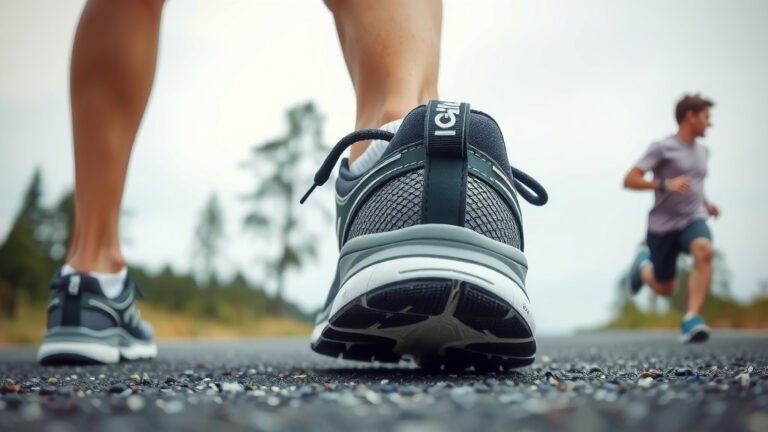
If you primarily run on roads or sidewalks, you need shoes built for hard, consistent surfaces. These shoes typically have thicker midsoles for cushioning. They help absorb the impact of pounding the pavement. Look for good shock absorption and durability.
Trail Running: Off-Road Adventure
For trails, forests, or uneven terrain, trail running shoes are your best bet. They offer better traction with aggressive outsoles. They also provide more protection against rocks and roots. Many trail shoes have a snugger fit to keep debris out and your foot secure.
Treadmill/Indoor Running: Keep it Light
If you’re mostly on a treadmill, you don’t need as much ruggedness or aggressive tread. Lighter, more flexible shoes designed for road running often work well. The treadmill surface is predictable, so extreme support features might not be necessary.
The All-Important Fit and Feel
This is where you become your own expert. Even with perfect arch support and the right shoe type, a poor fit will ruin your run. Trying shoes on is non-negotiable. Many shoe experts say fit is king.
Try Them On at the Right Time
Your feet swell throughout the day, especially after activity. It’s best to try on running shoes in the afternoon or evening. Or, try them on after you’ve already been on your feet for a while. This ensures you get a comfortable fit when your feet are at their largest.
The Thumb Rule of Toe Space
When you put on a running shoe, there should be about a thumb’s width of space between your longest toe and the end of the shoe. Your toes shouldn’t feel cramped. You need room for your feet to expand during your run.
Check for Comfort and Pinching
Walk around in the shoes. Do they feel comfortable right away? There shouldn’t be any rubbing, pinching, or hot spots. Pay attention to the heel, the arch area, and the toe box. The shoe should feel secure but not tight. If a shoe feels a little stiff or uncomfortable in the store, it’s unlikely to magically feel better on a run.
Don’t Forget Your Socks!
Always try on running shoes with the type of socks you’ll be wearing for your runs. Running socks are often thicker than everyday socks. Using your usual socks will give you a more accurate sense of the shoe’s fit.
When to Seek Expert Advice (Even Without a Full Analysis)
While you can choose great shoes without a gait analysis, don’t hesitate to ask for help. Many specialty running stores have knowledgeable staff. They can observe you walking or lightly jogging in the shoes. They can offer recommendations based on your stated needs and what they see. This kind of informal guidance can be very helpful.
Here’s a quick checklist to keep in mind:
- Know your arch type (high, normal, flat).
- Consider where you run most often (road, trail, treadmill).
- Ensure there’s about a thumb’s width of space at the toe.
- Check for immediate comfort – no pinching or rubbing.
- Try them on with your running socks.
- Don’t be afraid to ask store staff for quick tips.
Conclusion
Finding the right running shoes without a gait analysis is totally achievable. You’ve learned that focusing on your foot’s arch type, the kind of running you do, and most importantly, how the shoe actually fits and feels on your foot are key. Don’t underestimate the power of a good fit – it’s your best defense against discomfort and injuries.
Your next step is simple: head to a running store, apply what you’ve learned, and try on several pairs. Trust your comfort and enjoy the journey to finding shoes that make you excited to hit the road or trail!
Frequently Asked Questions
How do I know if a running shoe is too tight?
You’ll feel it right away. Your toes might feel cramped or jammed against the front of the shoe. There shouldn’t be any pinching or pressure points, especially in the toe box. Remember to leave about a thumb’s width of space between your longest toe and the shoe’s end.
Can I use my everyday walking shoes for running?
It’s generally not recommended. Walking shoes are designed for a different motion and don’t offer the cushioning or support needed for the impact of running. Using them for runs can increase your risk of injury. Running shoes are built specifically to handle that forward-moving stress.
How important is the shoe’s cushioning level?
Cushioning is very important for shock absorption. If you have high arches or run on hard surfaces like pavement, you’ll likely benefit from more cushioning. Runners with lower arches or those who prefer a more ‘connected’ feel to the ground might opt for less. It’s a personal preference tied to comfort and impact absorption.
What if a shoe feels great in the store but hurts on my first run?
This can happen, but it’s a sign the shoe isn’t the right fit for you. Don’t try to push through it, as it could lead to injury. Most specialty running stores have a return policy. Take them back and explain the issue; they can help you find an alternative that works better.
Does the brand of running shoe matter?
While some brands are known for certain features, the brand itself is less important than the fit and feel for your specific foot. Different brands use different lasts (shoe molds) and technologies. What works perfectly for one runner might not work for another, regardless of brand. Focus on how the shoe performs on your foot, not just the label.