Narrow Heel Running Shoes: Your Perfect Fit Guide
Choosing running shoes for narrow heels means looking for a snug fit in the heel cup. You want a shoe that locks your heel down to prevent slipping. Many runners with narrow heels struggle with blisters and discomfort from their shoes rubbing. The right shoe can make a huge difference in your running comfort and performance.
Finding the right shoe often comes down to understanding specific shoe features. We found that shoes with a deeper heel collar or a narrower heel-to-midfoot ratio often work best. Pay attention to how the shoe feels when you walk and jog, not just when you stand still. A good fit prevents unnecessary movement and irritation.
- Look for a snug heel cup.
- Consider shoes with a deeper heel collar.
- Check the heel-to-midfoot ratio.
- Try them on and walk/jog to test the fit.
- Don’t ignore heel slippage.
Below, we’ll guide you through the key things to look for when picking running shoes for your narrow heels, so you can finally stop worrying about your feet.
Finding the Right Running Shoes for Narrow Heels
Don’t let narrow heels keep you from enjoying your runs. We understand the frustration of shoes that just don’t feel right. The good news is, with a little knowledge, you can find running shoes that offer the support and snugness your feet need. It’s all about knowing what to look for and how to test it.
Understanding Heel Fit: Why It Matters
Your heel is a critical point for stability when you run. If your heel slips, it can cause blisters, chafing, and even affect your stride. For those with narrower heels, this is a common challenge. A shoe that’s too wide in the heel area allows for excessive movement. This movement can lead to irritation and discomfort over time.
The “Heel Cup” Effect
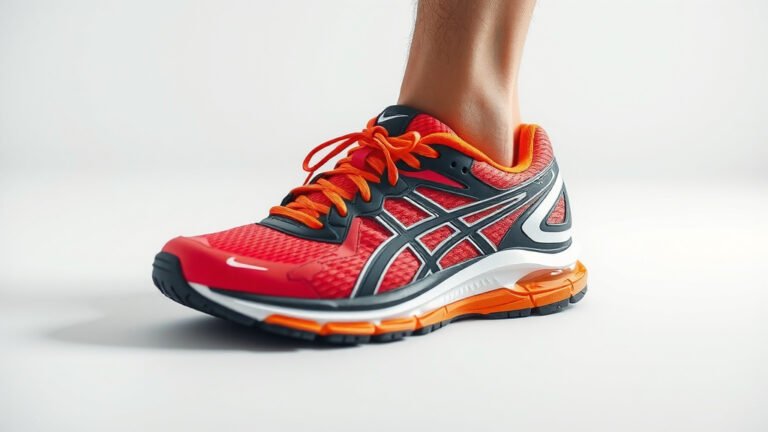
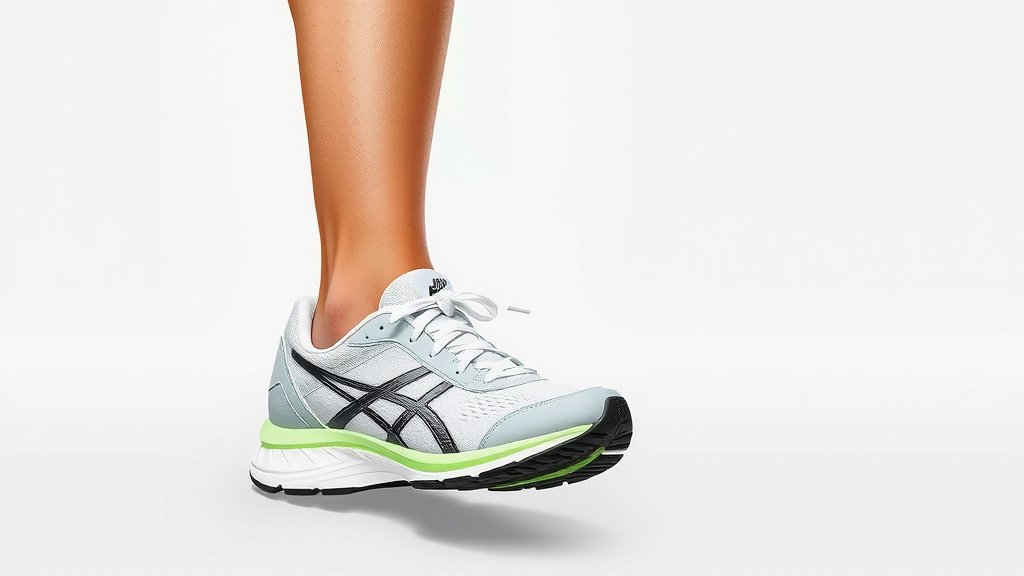
The heel cup is the part of the shoe that cradles your heel. For a narrow heel, you want a heel cup that feels secure and slightly contoured. It should hug your heel without being too tight or causing pressure points. Imagine your heel fitting snugly, like a hand in a well-fitting glove. This prevents that unwelcome slipping motion.
Heel Collar Depth and Padding
The heel collar is the padded edge around the top of the shoe’s heel. A deeper heel collar can offer more security. It acts as an extra layer of hold, keeping your heel in place. We found that shoes with generous, well-placed padding here can make a big difference. This padding should feel soft but firm, providing support without digging in.
Key Shoe Features to Scout For
Heel-to-Midfoot Ratio
This might sound technical, but it’s quite simple. It refers to how the width of the shoe changes from the heel to the midfoot. Many experts suggest looking for shoes with a narrower heel-to-midfoot ratio. This means the shoe doesn’t widen significantly as it moves forward from the heel. It creates a more streamlined, secure fit for your entire foot, especially if your heel is narrower than your forefoot.
Lacing Techniques for a Secure Fit
Sometimes, the shoe is almost perfect, but you still feel a bit of slippage. Did you know you can adjust your lacing? A common trick is the “heel lock” or “runner’s loop”. You use the extra eyelets at the top of the shoe to create a small loop. Then, you thread the laces through that loop to create a secure knot that pulls your heel down. We found this technique can be a lifesaver for runners experiencing heel lift.
How to Do a Heel Lock
First, make sure your laces are threaded through all the normal eyelets. Then, on each side of the shoe, use the last eyelet to create a small loop. Cross the laces and thread each end through the opposite loop. Pull the laces tight to cinch down the heel area. Tie your knot as usual. This simple adjustment can dramatically improve your shoe’s hold.
Look for Shoes with a Structured Heel Counter
The heel counter is the rigid insert found at the back of the shoe. Its job is to provide structure and stability to the heel. For narrow heels, a well-defined and slightly firm heel counter is beneficial. It helps maintain the shoe’s shape and prevents your heel from rolling or slipping excessively. You don’t want it to be so stiff that it causes irritation, but it should offer noticeable support.
Testing Your Running Shoes: The Crucial Step
Reading about shoe features is helpful, but nothing beats trying them on. When you try on shoes, wear the type of socks you typically run in. Walk around the store. How do they feel? Do you notice any pressure points? Are your heels digging in or slipping up and down?
The “Walk and Jog” Test
Don’t just stand still. Take them for a short jog, if possible. Many specialty running stores allow this. Pay close attention to your heel. Does it feel locked in? Or is there a noticeable gap or lift?
- Walk heel-to-toe: Feel for any slipping.
- Jog in place: See if your heel stays put.
- Jump slightly: Does your heel lift out of the shoe?
If you feel any significant movement or discomfort, that shoe might not be the best fit for your narrow heels. We found that trusting your gut feeling is often the most reliable method.
Consider the Shoe’s Overall Shape and Volume
Beyond specific heel features, the overall shape of the shoe matters. Some shoes are built on a narrower last (the foot form used to make the shoe). These might naturally provide a more snug fit throughout. If you find many shoes feel too wide even in the heel, it might be worth looking for brands that offer narrower width options or shoes with a naturally sleeker profile.
What to Avoid When Shopping
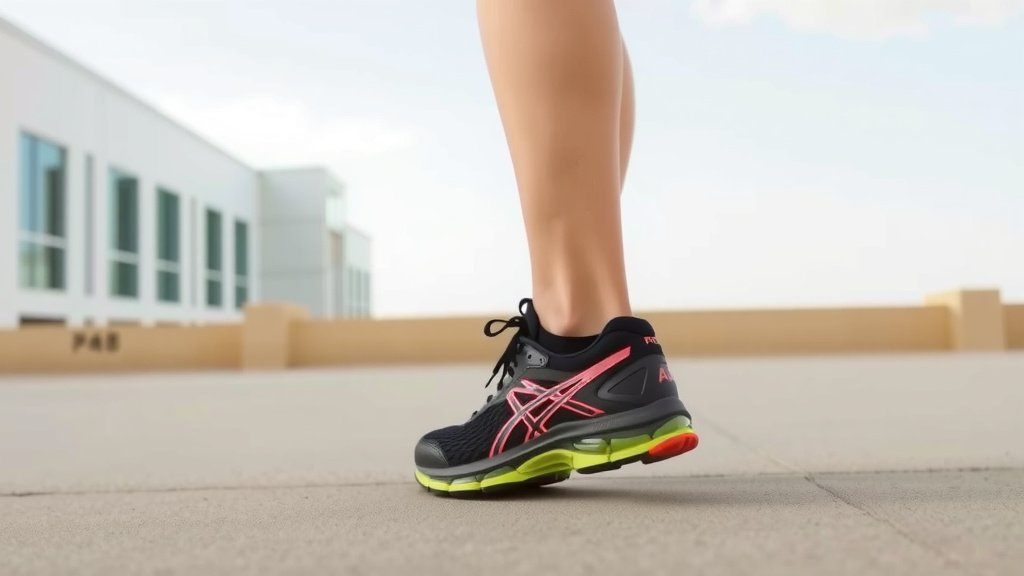
Steer clear of shoes that feel loose around your ankle or heel. If you can easily wiggle your heel up and down while standing, it’s a red flag. Also, be wary of shoes with very soft, mushy heel counters. These might feel comfortable at first but won’t offer the necessary support to keep your heel secure during your run.
Your Checklist for Narrow Heel Running Shoes
Here’s a quick rundown to help you on your shoe-shopping journey:
- Snug Heel Cup: Feels secure, not loose.
- Deep Heel Collar: Offers extra hold and padding.
- Structured Heel Counter: Provides firm support.
- Narrower Heel-to-Midfoot Ratio: Less widening from heel forward.
- Heel Lock Lacing: A technique to secure the fit.
- Test Run: Walk and jog to check for slippage.
Finding the perfect running shoe is a personal journey. By focusing on these key features and testing them thoroughly, you can discover shoes that keep your narrow heels comfortable and stable, mile after mile.
Conclusion
Finding the right running shoe for narrow heels doesn’t have to be a struggle. You’ve learned that a snug heel cup, a deeper heel collar, and a structured heel counter are your best friends. Remember to look for that narrower heel-to-midfoot ratio and don’t forget the power of a good heel lock lacing technique. The most important step? Trust your own test run. Visit a specialty running store, try on several options, and take them for a quick jog. Your perfect pair is out there, waiting to give you comfortable, stable miles. Get out there and find them!
Frequently Asked Questions
Will any running shoe brand work for narrow heels?
Not all brands are created equal for narrow heels. Some brands naturally design their shoes with a narrower profile. It’s helpful to research brands known for a more secure heel fit or those offering shoes built on narrower lasts. You might find brands that consistently fit your heel better than others.
Can I fix heel slippage with socks?
While the right socks can help, they aren’t a complete solution for significant heel slippage. Thicker socks or specialized running socks can add some cushioning and a bit more friction. However, if the shoe’s heel cup is too large, socks alone won’t prevent discomfort or blisters caused by excessive movement.
How do I know if a shoe’s heel counter is too stiff?
A heel counter that’s too stiff will feel like it’s digging into your Achilles tendon or the sides of your heel. You might feel immediate pressure points or irritation, especially when walking or jogging. It should feel supportive and structured, not sharp or painfully rigid.
What is the difference between a heel cup and a heel counter?
Think of the heel cup as the overall shape and snugness that cradles your heel within the shoe. The heel counter is the rigid or semi-rigid material (often plastic or firm foam) embedded in the back of the shoe’s upper. Its job is to give the heel cup its structure and support, preventing the shoe from collapsing.
Are shoes with lots of heel cushioning bad for narrow heels?
Excessive cushioning in the heel might sometimes lead to a looser fit if it doesn’t come with proper structure. What you want is cushioning that feels soft but also firm and supportive, working with a well-designed heel cup and counter. Prioritize a secure hold over just sheer softness in the heel area.