Choosing Running Shoes for Fallen Arches
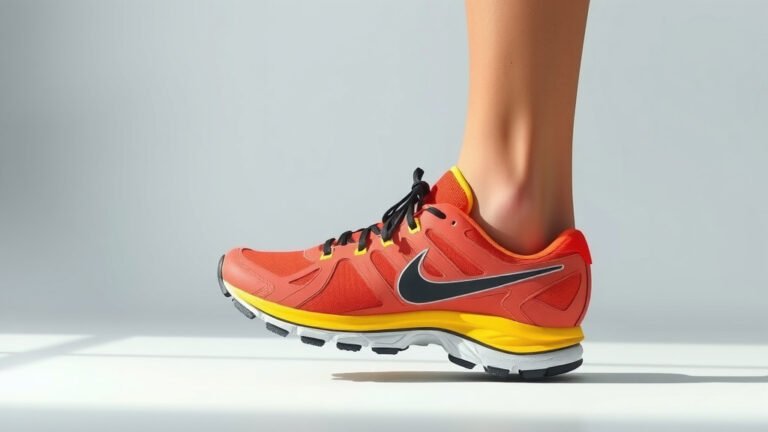
Choosing the right running shoes for fallen arches means finding shoes that offer excellent support and cushioning. You need shoes that help control the inward rolling motion of your foot, often called pronation. Look for stability or motion control shoes designed for overpronation. This is key to preventing discomfort and injuries.
Fallen arches, also known as flat feet, can affect how you run. Your foot strikes the ground differently. This can lead to issues like shin splints or knee pain if you don’t have the proper footwear. Finding shoes that balance support with comfort is the best approach for happy feet.
- Look for stability or motion control shoes.
- Prioritize shoes with good arch support.
- Ensure they offer ample cushioning.
- Consider a wider toe box for comfort.
Let’s walk through how to pick the perfect pair to keep your runs smooth and pain-free.
“`htmlFinding the Right Running Shoes for Fallen Arches
You’ve got fallen arches, or flat feet, and you’re ready to hit the road or trail. That’s fantastic! The right running shoes can make all the difference in your comfort and prevent aches and pains. Let’s talk about how to pick a pair that will support your feet and keep you moving.
When you have fallen arches, your foot tends to roll inward more than average. This is called overpronation. It can put extra stress on your feet, ankles, and knees. So, your goal is to find shoes that help guide your foot and provide stability.
Understanding Your Foot Type and Pronation
Before you even look at shoes, it helps to understand your feet a bit better. Fallen arches mean the arch of your foot is lower or completely flattened. This can cause your feet to flatten even more when you stand or run. This inward rolling is what we need to manage with the right footwear.
What is Overpronation?
Overpronation is when your foot rolls inward excessively after it strikes the ground. Think of it like a car’s tires wearing down unevenly. For runners with fallen arches, this is very common. It can lead to issues like plantar fasciitis, shin splints, and knee pain if not addressed.
Wet Test: A Quick Arch Check
Want a simple way to check your arch type? Try the “wet test.” Get your feet wet, then step onto a piece of paper or a dark surface where your footprint will show. If you see most of your foot with a very thin or no connection to your heel and toes, you likely have fallen arches. If there’s a noticeable curve, you might have a normal arch.
Key Shoe Features for Fallen Arches
Now that you know what we’re looking for, let’s break down the specific features you should seek out in running shoes designed for fallen arches.
Stability vs. Motion Control
This is where shoe categories come in. For fallen arches, you’ll want to focus on two main types:
- Stability shoes: These are designed for mild to moderate overpronation. They offer a good balance of cushioning and support. They often have features like guide rails or denser foam on the inside of the midsole to gently guide your foot.
- Motion control shoes: These are built for severe overpronation or very flat feet. They offer the maximum level of support and are usually stiffer. They have more aggressive features to prevent excessive inward rolling.
Many experts suggest starting with stability shoes unless you have been told by a medical professional that you need motion control.
Arch Support is Your Friend
This might seem obvious, but robust arch support is non-negotiable. The shoe should feel like it’s cradling the natural curve of your foot. You don’t want a shoe where your arch sinks completely into the midsole. Proper support helps distribute pressure evenly across your foot.
Cushioning for Comfort and Impact
While support is key, you still need cushioning. Running creates impact. Good cushioning absorbs some of that shock, making your runs more comfortable. Look for shoes that have ample cushioning, especially in the heel and forefoot. This helps protect your joints from repetitive stress.
The Importance of a Wide Toe Box
Your toes need room to splay naturally when you run. A shoe with a narrow toe box can cramp your toes, leading to discomfort and even issues like bunions or ingrown toenails. Many runners with flat feet find a wider toe box helps improve overall comfort and stability.
Heel Counter: A Sturdy Foundation
The heel counter is the stiff part at the back of the shoe that cups your heel. A firm heel counter helps lock your foot in place and prevents it from sliding around. This stability is crucial for controlling pronation and keeping your stride efficient.
How to Test and Buy Your Shoes
Shopping for shoes can feel like a treasure hunt. Here’s how to make it successful.
Go to a Specialty Running Store
Seriously, this is probably the best advice we can give. Staff at specialty running stores are trained to analyze your gait. They’ll watch you walk and run, often on a treadmill, and recommend shoes based on your foot type and pronation. You can often try on several pairs on their treadmill.
Try Them On at the End of the Day
Your feet swell throughout the day, especially after activity. Trying on shoes when your feet are at their largest ensures you get a comfortable fit. You don’t want them feeling snug when you buy them only to become too tight during your run.
Bring Your Running Socks and Orthotics
Wear the same type of socks you typically run in. If you use custom orthotics or over-the-counter insoles, bring those too! They will affect how the shoe fits and feels. Make sure there’s enough room for them without making the shoe feel too tight.
Test Drive Them (If Possible)
Many specialty stores will let you take a short jog on a treadmill or even outside. Pay attention to how the shoes feel. Do they feel supportive? Is there any pinching or rubbing? Do your arches feel supported? Trust your gut feeling. A shoe can look good on paper but feel wrong on your foot.
A Quick Checklist for Shoe Shopping
Keep this list handy when you go shopping:
- Check for a firm heel counter.
- Feel for good arch support.
- Ensure ample cushioning.
- Test for a wide, comfortable toe box.
- Ask about stability or motion control features.
- Confirm the shoe doesn’t feel too tight or loose.
Conclusion
Finding the right running shoes for fallen arches is all about balancing support and cushioning. You’ve learned that stability or motion control shoes are your best bet to manage overpronation. Prioritizing features like good arch support, ample cushioning, and a wide toe box will make a big difference. Don’t forget the power of visiting a specialty running store to get personalized advice and a proper gait analysis. Your next step? Head to a reputable running store, bring your running socks, and start test-driving some pairs. Happy running!
Frequently Asked Questions
How do I know if I overpronate?
The “wet test” is a simple way to check your arch type, which often indicates pronation. If you have fallen arches, you likely overpronate. A specialty running store can also analyze your gait to confirm if you overpronate and how severely.
Can I wear my own insoles with these shoes?
Yes, you absolutely can! If you use custom orthotics or over-the-counter insoles, bring them with you when you shop. They’ll affect how the shoe fits, and you’ll want to ensure there’s enough room for them without making the shoe too tight.
Are motion control shoes always better for fallen arches?
Not necessarily. Stability shoes are often sufficient for mild to moderate overpronation common with fallen arches. Motion control shoes offer maximum support and are typically recommended for severe overpronation or very flat feet, often based on professional advice.
How much cushioning do I really need?
While support is critical for fallen arches, cushioning absorbs impact and enhances comfort. You want a shoe that feels good underfoot without sacrificing its supportive structure. Enough cushioning helps protect your joints from the repetitive stress of running.
What if a shoe feels good in the store but hurts later?
This can happen if you don’t try them on correctly. Always try shoes on at the end of the day when your feet are slightly swollen. Wear your usual running socks, and if possible, take a short jog on a treadmill at the store to test them under a bit of load.
“`