
Choosing Running Shoes for Flat Arches: A Guide
Choosing running shoes for flat arches means looking for shoes that offer plenty of support. You need shoes that help guide your foot through a natural motion. This helps prevent common issues like shin splints or knee pain often associated with flat feet. Look for shoes labeled as stability or motion control.
Flat arches, also called fallen arches, mean the arch area of your foot touches the ground. This can lead to overpronation, where your foot rolls inward too much. Selecting the right shoe is key to providing the correct cushioning and structure your feet need. We found that many runners with flat feet benefit from shoes designed to counteract this inward roll.
- Look for stability or motion control shoes.
- Prioritize shoes with good arch support.
- Consider shoes with a wider base for better stability.
- Check for adequate cushioning in the midsole.
Let’s walk through exactly what to look for and why it matters for your flat feet.
Finding the Right Running Shoes for Flat Arches
Your running shoe choice is super important when you have flat arches. The right pair can make your runs feel smoother. It can also help keep you injury-free. We know that finding that perfect fit can feel like a treasure hunt. But don’t worry, we’re here to guide you. Let’s break down what makes a running shoe work well for your unique foot type.
Understanding Flat Arches and Pronation
Flat arches mean your foot’s arch area collapses. This often leads to overpronation. That’s when your foot rolls inward excessively after landing. Think of it like a car tire wearing out unevenly. Overpronation can put extra stress on your ankles, shins, and knees. Many runners with flat feet experience this. It’s why specific shoe features are so helpful.
What is Overpronation?
When you run, your foot absorbs impact. For most people, the arch helps with this shock absorption. Your foot then rolls slightly outward to prepare for pushing off. With overpronation, your foot rolls too far inward. This changes how your body’s weight is distributed. Research shows this can lead to pain in the feet, ankles, and even the back (National Institutes of Health).
Why Shoe Type Matters
Not all running shoes are created equal, especially for flat feet. You need shoes that offer more than just soft cushioning. You need shoes that provide structure. They need to help guide your foot’s natural motion. This control is key to preventing that excessive inward roll. It’s like giving your foot a gentle nudge in the right direction.
Key Features to Look For in Running Shoes for Flat Arches
When you’re shopping, keep an eye out for specific design elements. These features are built to support your arches and control pronation. They are designed to make your runs more comfortable and safe. You’ll see these features mentioned on shoe boxes and in product descriptions.
Stability Shoes vs. Motion Control Shoes
These are your two main categories. Stability shoes offer a good balance. They provide cushioning and arch support. They also have features to help guide your foot slightly. Motion control shoes are for more severe overpronation. They offer maximum support and control. They are often firmer and less flexible. We found that most runners with flat feet find stability shoes are a great starting point.
Midsole Support and Density
The midsole is the cushioning layer between the upper and the outsole. For flat arches, you want a midsole that isn’t too soft. A softer foam can let your foot sink in too much. Look for shoes with denser foam in the arch area. This provides firm support. Many stability shoes use a dual-density foam. This means it’s firmer on the arch side. This gently pushes your foot toward a neutral position.
Heel Counter Stability
The heel counter is the stiff cup at the back of the shoe. It holds your heel in place. A good heel counter is vital for flat feet. It helps prevent your heel from rolling inward excessively. Look for a firm, well-structured heel counter. It should cup your heel securely without feeling too tight or uncomfortable. This helps lock your foot down.
Arch Support Design
This might seem obvious, but the way the arch is supported matters. Some shoes have a more pronounced built-in arch. Others use firmer foam to create that support. The goal is to provide a stable surface for your foot. It should feel like the shoe is lifting your arch slightly. It shouldn’t feel like it’s pressing into your foot uncomfortably. Many podiatrists recommend shoes that offer this kind of structured support.
What to Avoid When Buying Running Shoes for Flat Arches
Just as important as knowing what to look for is knowing what to skip. Certain shoe types can actually make pronation worse. Steering clear of these will save you from potential discomfort and injury.
Neutral or Cushioned Shoes
These shoes are generally designed for runners with neutral arches. They don’t have the extra support features needed for overpronation. They offer a lot of cushioning but little guidance. Wearing these might let your flat feet overpronate even more. We found that these often lack the structured support needed to counter excessive inward rolling.
Minimalist or Barefoot-Style Shoes
While these shoes can be great for some runners, they are typically not ideal for those with flat arches. They offer very little cushioning or support. They are designed to mimic barefoot running. For a flat foot that tends to overpronate, this lack of structure can be problematic. It’s like trying to walk on a soft pillow without any support.
Tips for Trying On and Buying Your Shoes
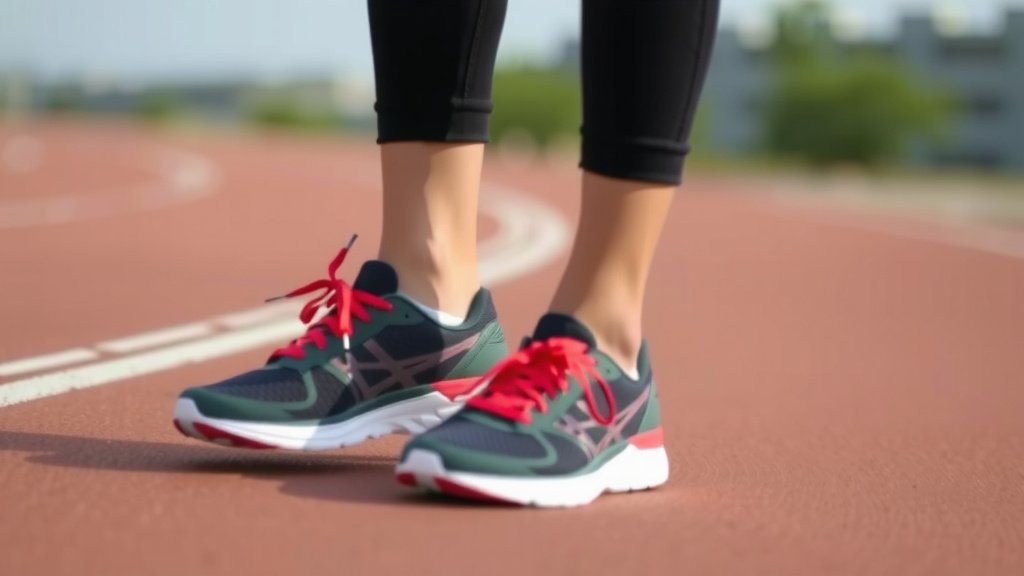
The best shoe is one that feels right on your foot. Even with all the technical features, personal comfort is key. Here are a few tips to make your shoe-buying experience successful.
Try Them On Later in the Day
Your feet swell throughout the day. They are usually largest in the afternoon or evening. Trying on shoes when your feet are at their largest ensures a comfortable fit for your runs. This avoids the dreaded “too tight” feeling halfway through a workout.
Bring Your Own Socks and Orthotics
Always wear the type of socks you plan to run in. If you use custom orthotics or supportive insoles, bring them too. Place them inside the shoes when you try them on. This ensures the shoe fits correctly with your usual running gear.
Test the Fit and Feel
Walk around the store. Jog in them if possible. Pay attention to how your foot feels. Is there enough room in the toe box? Does the arch feel supported? Is the heel slipping? Does anything feel like it’s rubbing or pinching? Trust your gut feeling.
Consider the Shoe’s Flexibility
While you want support, you don’t want a shoe that’s too stiff. Gently try to twist the shoe. It should have some flexibility, especially in the forefoot, for a natural stride. However, it shouldn’t bend easily in the middle of the arch. This is where the support is most needed.
Checklist for Choosing Your Running Shoes
Here’s a quick rundown to keep in mind:
- Stability or motion control category? Check.
- Firm heel counter? Check.
- Good arch support? Check.
- Midsole not too soft, not too firm? Check.
- Comfortable fit with your socks/orthotics? Check.
- Plenty of toe room? Check.
Conclusion
Choosing the right running shoes for flat arches is all about finding that sweet spot between support and comfort. You’ve learned why stability or motion control shoes are your best bet and what features like a firm heel counter and supportive midsole can do for you. Remember to avoid neutral shoes that lack the structure your feet need. By focusing on these key elements and taking the time to try shoes on properly, you’re setting yourself up for more comfortable and enjoyable runs. Your next step is to visit your local running store and put this knowledge to work!
Frequently Asked Questions
Will stability shoes work for my flat arches?
Yes, stability shoes are generally an excellent starting point for runners with flat arches. They offer a good balance of cushioning and support. Features in stability shoes help guide your foot to reduce excessive inward rolling, which is common with flat feet.
How do I know if I need motion control shoes instead of stability shoes?
If your flat arches cause severe overpronation – meaning your foot rolls inward quite dramatically – you might benefit more from motion control shoes. These offer maximum support and are typically more rigid than stability shoes. If you’re unsure, a gait analysis at a running store can help determine the best type for you.
Can I use my own custom orthotics with running shoes for flat arches?
Absolutely. If you use custom orthotics, it’s essential to bring them when you shop for running shoes. You’ll want to place them inside the shoes you try on to ensure the combination fits well. The shoe’s support features should complement, not conflict with, your orthotics.
How much cushioning do I need if I have flat feet?
While you need support, cushioning is still important for shock absorption. However, you generally want to avoid overly soft or mushy cushioning. Look for shoes with a well-balanced midsole that isn’t too dense but provides a firm foundation. This ensures comfort without compromising the necessary support.
What if a stability shoe feels too stiff?
It’s true that stability and motion control shoes can feel firmer than neutral shoes. However, they shouldn’t feel uncomfortable or unnatural. If a shoe feels excessively stiff, especially in the forefoot where your foot needs to flex, it might not be the right fit. Ensure the shoe allows for a natural toe-off while still providing arch support.