Trail Running Shoes: Your Expert Buyer’s Guide
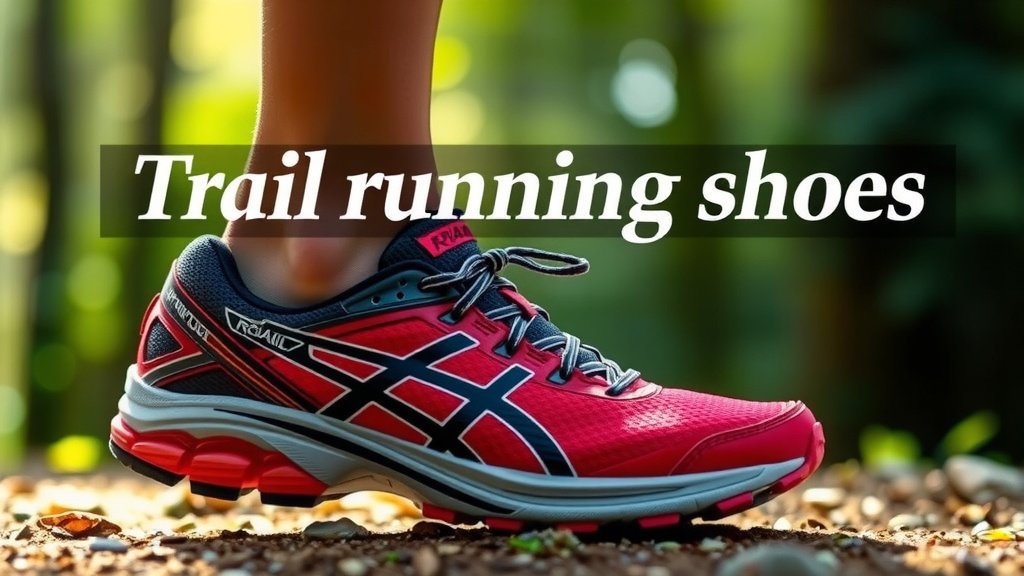
Choosing the right trail running shoes means prioritizing traction, protection, and durability over anything else. Look for shoes with aggressive tread patterns to grip uneven terrain and reinforced uppers to shield your feet from rocks and roots. A good trail shoe will feel sturdy yet flexible, offering support without sacrificing agility on the trail.
Unlike road running shoes, trail shoes are built for the wild. They often feature stiffer midsoles for stability on rough ground and water-repellent or quick-drying materials. We found that paying attention to these key differences can prevent common trail running mishaps and make your runs far more enjoyable.
- Grip is king on trails.
- Protection from rocks and roots is vital.
- Durability means your shoes last longer.
- Consider water resistance for wet conditions.
- Fit is still the most important factor.
Let’s walk through exactly how to pick the perfect pair for your next trail adventure.
Finding Your Perfect Trail Running Shoes
Choosing trail running shoes might seem tricky, but think of it like finding a trusty sidekick for your adventures. You want something that grips the trail, protects your feet, and keeps going as long as you do.
Grip: Your Trail’s Best Friend
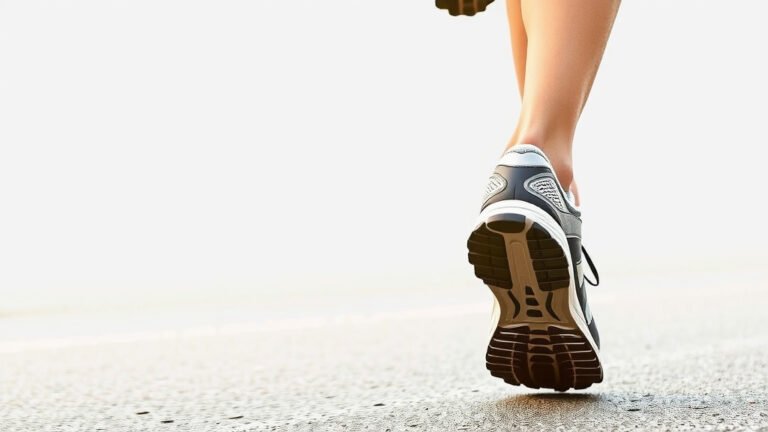
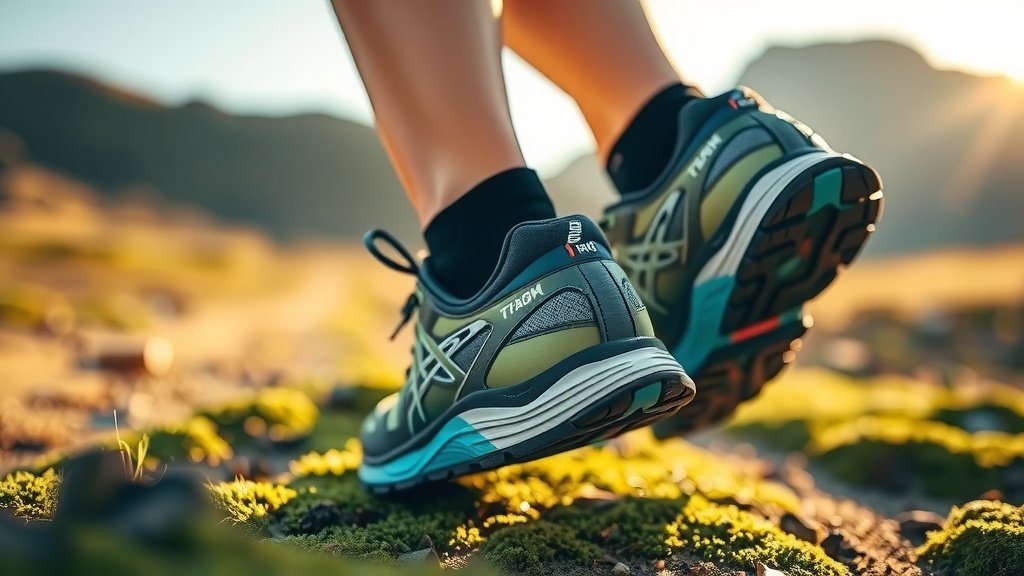
The most important feature on any trail shoe is its traction. Road shoes have smooth soles for pavement. Trail shoes need deep, aggressive lugs. These are the little sticky-out bits on the bottom.
These lugs dig into dirt, mud, and rocks. This gives you the grip you need to avoid slipping and falling. We found that the spacing and shape of these lugs matter a lot. Wider spacing helps shed mud better.
Look at the outsole material too. Many trail shoes use sticky rubber compounds. These provide excellent grip on wet rocks and roots. You’ll want to feel secure with every step, no matter the surface.
Protection: Shielding Your Feet
Trails are full of hazards. Rocks, roots, and other debris can cause painful stubbed toes or bruises. Trail shoes come with built-in protection to keep your feet safe.
Toe Protection
A reinforced toe bumper is a must-have. This is like a built-in guard for your toes. It absorbs impact from hitting roots or rocks. We found that many serious trail runners look for a sturdy, rubberized toe cap.
Underfoot Protection
Many trail shoes have a rock plate. This is a thin, flexible layer embedded in the midsole. It acts like a shield, preventing sharp objects from poking through the sole and into your foot. Many guidelines point to this feature for protecting against sharp rocks (NCBI).
The stiffness of the shoe also plays a role. Trail shoes are generally stiffer than road shoes. This stiffness adds stability on uneven ground. It also helps protect your feet from feeling every single sharp stone you step on.
Durability: Shoes That Last
Trail running can be tough on shoes. They get exposed to abrasion from rocks, mud, and water. You need shoes built to withstand this abuse.
Upper Materials
The upper is the part of the shoe that covers your foot. Trail shoe uppers are often made from durable synthetic materials. These resist tearing and abrasion better than lighter mesh found in road shoes. We found that materials like ripstop nylon are common.
Many trail shoes also feature water-repellent or quick-drying uppers. This is great for running through puddles or in wet conditions. Your feet stay drier and lighter, which is always a win. However, be aware that fully waterproof shoes can sometimes be less breathable.
Midsole and Outsole Wear
The midsole provides cushioning and support. It can be made from EVA foam or other responsive materials. Look for a midsole that offers a good balance of cushioning and stability. The outsole, as we discussed, needs to be tough and grippy.
Fit: The Non-Negotiable Factor
Even the best trail shoe is useless if it doesn’t fit you properly. This is true for any running shoe, but it’s especially important on the trails.
Toe Box Room
You need enough space in the toe box for your toes to splay naturally. Your feet swell on longer runs. Also, you’ll often be running downhill, and your toes can bump the front of the shoe. Ensure there’s about a thumb’s width of space between your longest toe and the end of the shoe.
Heel Lock
Your heel should feel secure and not slip up and down when you walk or run. This heel slippage can lead to blisters. Many trail shoes have a more structured heel cup to help with this.
Midfoot Support
The shoe should feel snug and supportive around your arch and midfoot. It shouldn’t feel too tight or constricting. The lacing system can help you customize this fit. Many experts recommend trying shoes on later in the day when your feet are slightly swollen.
Trail Shoe Types to Consider
Not all trails are the same, and neither are trail shoes. You can find shoes designed for different types of terrain and distances.
All-Around Trail Shoes
These are your workhorses. They offer a good balance of grip, protection, and cushioning. They’re suitable for a wide variety of trails, from packed dirt to rocky paths.
Mud/Wet Condition Shoes
If you run in muddy or wet environments often, look for shoes with aggressive lugs and better drainage. Some have minimal water resistance, focusing on quick drying.
Max Cushion Trail Shoes
For long-distance trail running, more cushioning can be a lifesaver. These shoes offer extra shock absorption. They can help reduce fatigue on very long runs over rough terrain.
Lightweight/Fast Trail Shoes
These are for faster-paced runs or races. They typically offer less cushioning and protection but are lighter and more agile. They might be a good choice for well-maintained trails.
Your Trail Shoe Checklist
Before you head out to shop, keep these key points in mind:
- Prioritize aggressive lugs for superior grip.
- Ensure there’s a protective toe bumper and a rock plate.
- Check for durable upper materials that can withstand trail debris.
- Verify a secure heel lock and ample toe box room.
- Consider the type of trails you’ll be running most often.
Conclusion
You’re now equipped to find trail running shoes that will be your best adventure companions. Remember, superior traction, reliable protection from trail hazards, and lasting durability are your top priorities. Don’t forget that a perfect fit is non-negotiable for comfort and performance. Take this checklist with you the next time you shop. Your feet will thank you on your next run!
Frequently Asked Questions
How do I know if trail shoes are too stiff for my feet?
If your feet feel fatigued or numb after a run, or you experience discomfort around your ankles, the shoe might be too stiff. While stiffness adds stability, it shouldn’t feel like you’re running in wooden clogs. Listen to your body; slight stiffness is good, but pain isn’t.
Can I use road running shoes on trails?
While you can technically wear road shoes on easy, well-maintained trails, it’s not recommended for regular trail running. Road shoes lack the aggressive lugs for grip and the protective features needed for rough terrain. You risk slipping, stubbing your toes, and damaging the shoes quickly.
How important is waterproofing in trail running shoes?
Waterproofing depends on your typical running conditions. If you often run in wet mud or stream crossings, waterproof shoes can keep your feet dry. However, they can be less breathable, leading to sweaty feet in dry conditions. Many runners prefer quick-drying, non-waterproof shoes for better ventilation.
How often should I replace my trail running shoes?
Trail running shoes typically last between 300 to 500 miles, but this can vary. You’ll know it’s time to replace them when the outsole lugs are worn down and grip suffers, or when the cushioning feels flat and less supportive. Inspect them regularly for signs of wear and tear.
What’s the difference between all-around and specialized trail shoes?
All-around trail shoes offer a balance of features suitable for various terrains. Specialized shoes, like those for mud or long distances, are optimized for specific conditions. For example, mud shoes have wider lug spacing to prevent mud buildup, while max cushion shoes are designed for ultra-marathons.