Choosing Ultra Running Shoes: A Guide
Choosing the right running shoes for ultra running is all about finding the perfect blend of cushioning, durability, and comfort for long distances. You need shoes that can handle varied terrain and keep your feet happy for many miles. Look for shoes with robust midsole protection and a secure, adaptable fit to prevent blisters and fatigue.
Beyond the basics, ultra running shoes often feature enhanced traction for varied surfaces like mud, rock, and gravel. We found that a shoe with a wider toe box can also make a big difference for preventing swelling and discomfort on extremely long runs. Consider the specific demands of your intended trails and weather conditions when making your selection.
- Look for ample cushioning for impact absorption.
- Prioritize durability for long-term wear on tough trails.
- Ensure a secure and comfortable fit to prevent blisters.
- Consider traction suited to your anticipated terrain.
- A wider toe box can help with foot swelling.
Let’s walk through exactly how to pick the best pair for your next ultra adventure.
Finding Your Perfect Ultra Running Shoes
Choosing the right shoes is key for ultra running success. Your feet will thank you after miles of trails. We found that focusing on a few key areas makes a big difference. Think of these shoes as your mobile home for your feet. They need to be comfortable, protective, and reliable.
Understanding the Ultra Demands on Your Feet
Ultra marathons push your body, and especially your feet, to the limit. You’ll encounter varied terrain. Think rocks, roots, mud, and maybe even some sand. Your shoes need to handle all of this for many hours. Unlike shorter races, your feet will swell significantly over time. This is a crucial factor to consider.
Cushioning: Your First Line of Defense
Long distances mean a lot of impact. Good cushioning absorbs this shock. It protects your joints and reduces fatigue. For ultras, you generally want more cushioning than for road races. This provides a softer landing with every stride. We found that shoes with thicker midsoles offer this.
Types of Cushioning
Foam is the most common cushioning material. Different brands use various proprietary foams. Some are softer and more responsive. Others are firmer and more durable. For ultras, a balance is often best. You want enough softness for comfort but enough support to avoid feeling unstable.
Durability: Shoes Built to Last
Ultra running trails can be harsh. Your shoes will take a beating. You need shoes made with tough materials. Look for reinforced uppers and a sturdy outsole. A shoe that can withstand miles of abuse is essential. Many experts say a durable shoe saves you money in the long run (Mayo Clinic).
Outsole Grip and Protection
The outsole is your connection to the ground. For trail ultras, deep lugs are important. These provide better traction on soft surfaces like mud. If you’ll be on rocky terrain, consider a shoe with a rock plate. This adds a layer of protection against sharp objects.
Fit and Comfort: The Undisputed Champions
This might be the most important factor. A shoe that doesn’t fit well will cause pain and blisters. Blisters can end your race prematurely. You want a shoe that feels snug but not tight. Your heel should be secure, with no slipping. The toe box should offer enough room for your toes to splay.
Accommodating Foot Swelling
As mentioned, your feet will swell. This is normal for long efforts. We found that a wider toe box is beneficial. It allows your toes to spread out naturally as your feet expand. Some runners even go up a half-size for ultra-distance shoes. This can prevent painful pressure points.
Lacing Strategies for a Secure Fit
The lacing system matters. You want to be able to adjust the fit easily. Many trail shoes have a lacing system designed for a secure lockdown. Experiment with different lacing techniques before your race. Finding the right tension can prevent hot spots and blisters.
Considering Trail Conditions and Your Personal Needs
Not all ultra trails are created equal. The conditions you expect will influence your shoe choice. Think about the typical weather in your race location. Will it be wet and muddy, or dry and dusty? Your personal running style also plays a role.
Traction for Varied Terrains
If your ultra involves a lot of mud, you need aggressive lugs. These dig into soft ground for better grip. For rocky, technical trails, a shoe with good multi-directional traction is best. Some outsoles offer a blend to handle mixed conditions.
Water Resistance and Drainage
Many ultra runners encounter water crossings. Some shoes offer water-resistant uppers. These can keep your feet drier in wet conditions. However, water-resistant shoes can also trap water if submerged. Good drainage is also a key feature. We found that shoes that drain quickly are often preferred for long efforts.
Weight: A Balancing Act
Lighter shoes can feel faster. But for ultras, durability and cushioning often take priority. A shoe that’s too light might not offer enough protection or support. We found that most ultra runners opt for shoes that are mid-weight. They offer a good balance of features.
Trying Before You Buy (and Before the Race!)
Never buy a shoe without trying it on. Go to a specialty running store. Wear the socks you’ll use for your race. Run a little in the shoes to see how they feel. Most importantly, break in your ultra shoes before race day. Put in some long runs to ensure they work for you.
Your Ultra Shoe Checklist
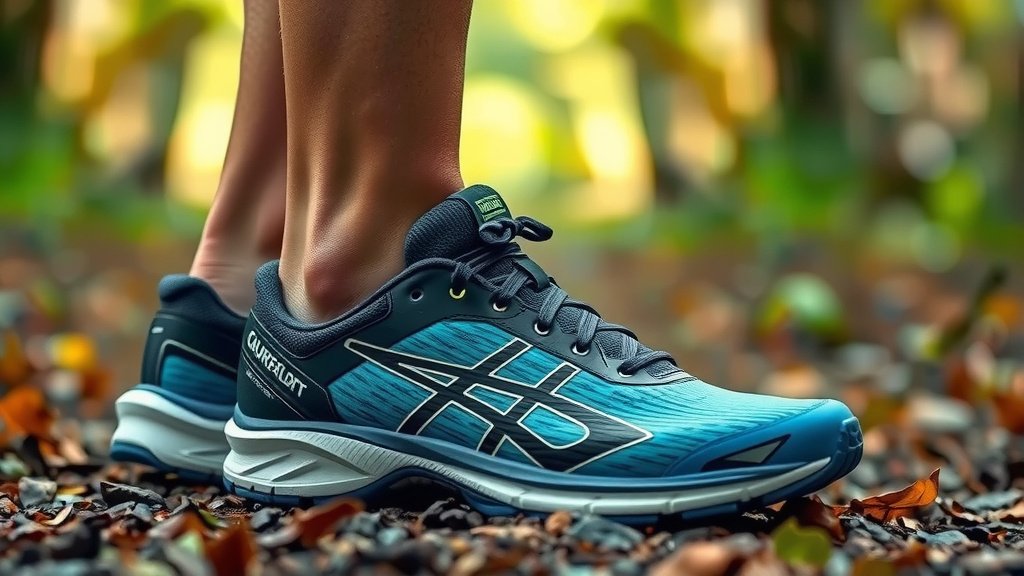
- Ample Cushioning: Enough to absorb impact for hours.
- Durable Construction: Built to withstand tough trails.
- Secure Fit: No heel slippage; comfortable toe box.
- Appropriate Traction: Lugs suited to your expected terrain.
- Good Drainage: Especially if water crossings are likely.
- Comfortable for Long Miles: Test them on your longest runs.
Conclusion
You’ve learned that choosing the right ultra running shoes is a personal journey. It’s about balancing cushioning, durability, and fit for those long, demanding miles. Remember to consider the specific trail conditions and how your feet change over time. Don’t forget the importance of a roomy toe box and secure lacing.
Your next step is to visit a specialty running store. Try on different models with your preferred socks. Most importantly, break in your chosen shoes with a few long runs before your ultra. This preparation ensures your feet are ready for the adventure ahead!
Frequently Asked Questions
Can I use my regular road running shoes for an ultra?
Generally, it’s not recommended. Road shoes lack the aggressive traction, durability, and often the protective features needed for varied trail terrain. They also typically offer less cushioning for the repeated impact on uneven surfaces over extreme distances.
How much cushioning do I really need for an ultra?
You’ll want more cushioning than for shorter road races. Think of it as shock absorption for hours on end. Look for shoes with thicker midsoles that offer a plush feel without sacrificing stability on technical trails.
What’s the deal with foot swelling during ultras?
Foot swelling is very common on ultras due to prolonged effort and gravity. This is why a wider toe box is so beneficial. It gives your toes room to splay naturally as your feet expand, preventing painful pressure points and blisters.
Should I buy trail shoes that are waterproof?
Waterproof shoes can be a double-edged sword. They keep some water out but also trap water inside if you step into a creek. Many ultra runners prefer shoes with good drainage instead, allowing water to escape quickly so your feet don’t stay waterlogged.
How important is the outsole’s lug pattern?
The outsole’s lug pattern is very important for traction. Deeper, more aggressive lugs are great for muddy or soft conditions, digging in for grip. For rocky or mixed terrain, a multi-directional lug pattern offers better stability and grip on various surfaces.