What Makes a Good Running Shoe: A Buyer’s Guide
A good running shoe is one that offers the right balance of comfort, support, and durability for your specific foot type and running style. We found that prioritizing a shoe that feels right on your foot from the start is key. It should feel snug but not tight, with enough room in the toe box for your foot to expand as you run. The best shoes also match your biomechanics, whether you need extra cushioning or more stability.
When choosing running shoes, consider your running goals and the surfaces you’ll be running on. Road running shoes differ from trail running shoes. The right shoe can prevent injuries like shin splints and blisters. We found that paying attention to the shoe’s midsole cushioning and outsole grip is also important for a good running experience. Your running shoe is your most important piece of gear! Consider your running goals and the surfaces you’ll be running on.
- Comfort, support, and durability are key.
- Match the shoe to your foot type and running style.
- Consider your running goals and surfaces.
- Proper shoes help prevent common running injuries.
- Don’t ignore cushioning and grip.
Ready to find your perfect pair? Let’s walk through exactly what makes a running shoe a winner for your miles.
What Makes a Running Shoe a Winner for Your Miles
So, you’re ready to find that perfect pair of running shoes. That’s fantastic! Think of your running shoes as your trusty sidekicks on every journey. They need to feel just right, right from the get-go. We found that the best shoes offer a sweet spot of comfort, support, and durability.
Your feet are unique, just like your running style. A shoe that feels amazing for one runner might not work for another. It’s all about finding what suits your stride and the way you move.
Understanding Your Foot’s Needs
Before you even look at shoes, let’s talk about your feet. Knowing your arch height is a big step. Do you have high arches, normal arches, or flat feet? This can influence the type of support you’ll need.
Arch Types and Their Shoe Preferences
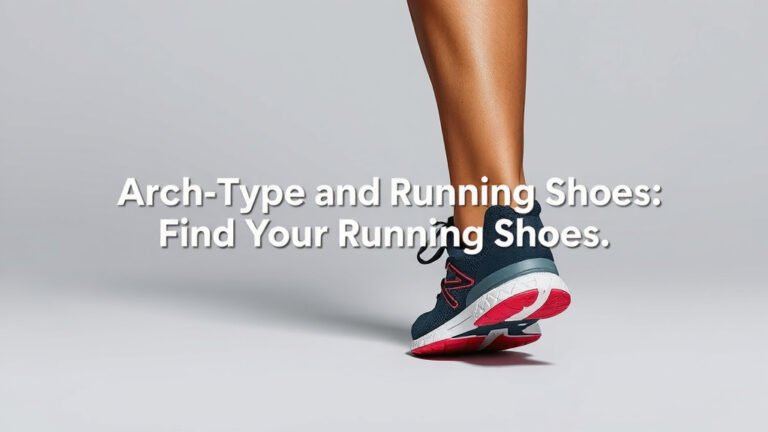
Many experts point to arch type as a key factor in shoe selection (American Academy of Podiatric Sports Medicine). If you have flat feet, your foot might roll inward more, which we call overpronation. You’ll likely benefit from shoes with extra stability features.
If you have high arches, your foot might not roll inward enough, known as supination or underpronation. You might need shoes with plenty of cushioning and flexibility. For those with normal arches, you’re often in a good spot and can usually wear a wide range of shoes. We found that a simple wet test on a piece of paper can give you a good idea of your arch type.
Gait Analysis: How You Run Matters
Another piece of the puzzle is your gait. How does your foot land and push off the ground? This is your running form. Some runners overpronate, some supinate, and some have a neutral gait.
We found that observing your old running shoes can give clues. If the wear pattern is mostly on the inside edge of the sole, you might be an overpronator. If it’s heavily on the outside edge, you could be a supinator. If the wear is relatively even, you likely have a neutral gait. Many specialty running stores offer gait analysis to help you understand this better.
Key Features to Look For in a Running Shoe
Now let’s dive into the actual shoe. What makes one shoe stand out from the rest? It’s a combination of different parts working together.
The Midsole: Your Cushioning Champion
The midsole is the heart of the shoe. This is where the cushioning lives. It absorbs shock with every step you take. Without good cushioning, your joints can take a beating.
Materials like EVA foam and polyurethane are common. EVA is lighter and more flexible, while polyurethane is denser and more durable. We found that some shoes offer a mix of these materials for the best balance. The amount and type of cushioning should match your preferences and the distances you plan to run.
The Outsole: Grip and Durability
This is the bottom part of the shoe that touches the ground. It provides traction and protects the midsole from wear and tear. The outsole is typically made of rubber.
Different patterns and rubber compounds offer varying levels of grip. For road running, you’ll want a smooth, durable outsole. For trails, you’ll need deeper lugs for better grip on uneven terrain. We found that the outsole’s design plays a big role in how stable you feel on your feet.
The Upper: Comfort and Fit
The upper is the part of the shoe that encloses your foot. It’s usually made of mesh or other breathable materials. A good upper should feel snug but not tight. It should hold your foot securely without causing any pressure points.
We found that breathability is important, especially for longer runs. Your feet can get hot and sweaty, and a breathable upper helps manage moisture. Look for seamless construction to reduce the risk of blisters. The lacing system also plays a role in achieving a secure fit.
Matching Shoes to Your Running Environment
Where you run can dramatically change the kind of shoe you need. Road shoes and trail shoes are built very differently.
Road Running Shoes
These are designed for paved surfaces like sidewalks, roads, and treadmills. They tend to be lighter and more flexible. We found that road shoes prioritize cushioning and smooth transitions. They have flatter outsoles for consistent contact with the ground.
Trail Running Shoes
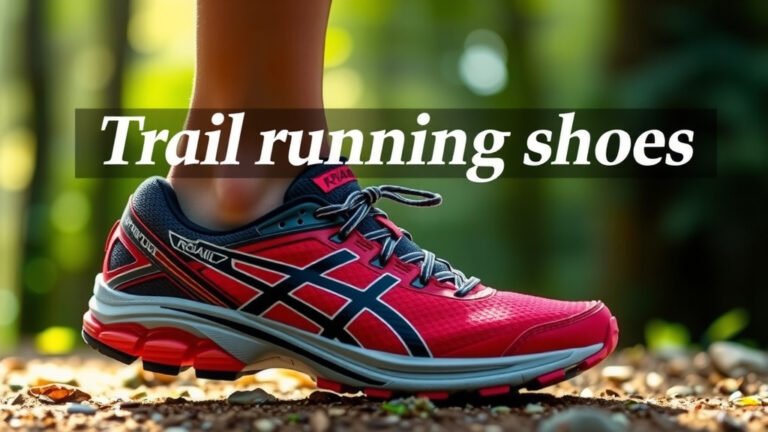
If you love hitting the dirt paths and mountains, trail shoes are your best bet. They offer more protection and aggressive traction. We found that trail shoes have sturdier uppers and often feature rock plates to protect your feet from sharp objects. The outsoles have deep, widely spaced lugs for grip on mud, rocks, and roots.
The Importance of Trying Before Buying
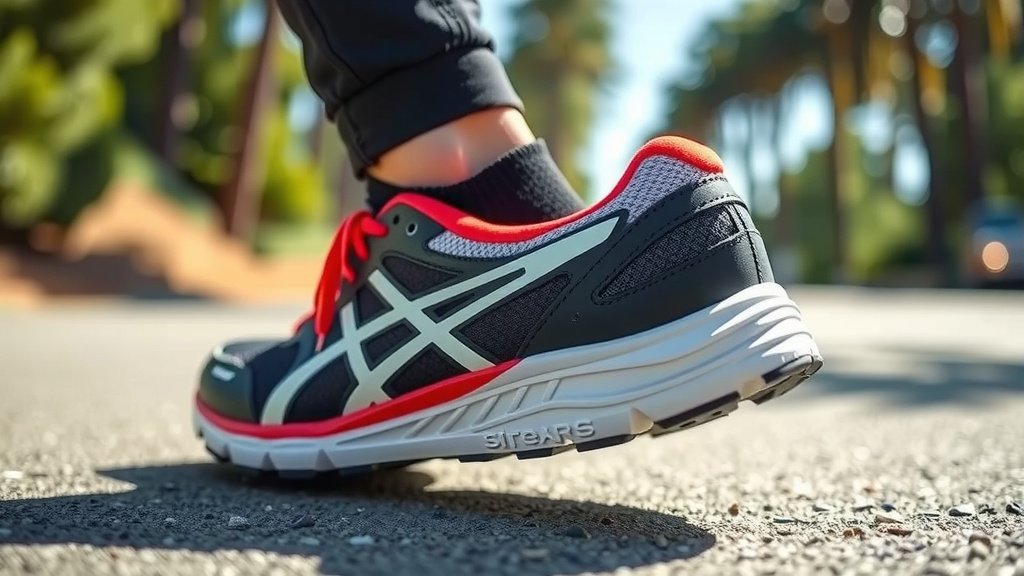
We cannot stress this enough: try before you buy! What looks good on the shelf might not feel good on your foot. Wear the type of socks you normally run in. Walk around the store, and if possible, do a short jog.
Pay attention to how the shoe feels in the heel, midfoot, and toe box. Is there enough room for your toes to wiggle? Does your heel slip? We found that a shoe that feels comfortable immediately is usually a good sign. Don’t be swayed by looks alone. Your feet will thank you!
Quick Checklist for Your Next Running Shoe Purchase
- Does it feel comfortable right away?
- Is there enough room in the toe box?
- Does your heel feel secure without slipping?
- Does the cushioning feel right for you?
- Is the support appropriate for your arch type?
- Does it suit the surfaces you’ll be running on?
Conclusion
Finding the right running shoe is a personal journey. You’ve learned that comfort, support, and durability are your guiding stars. Understanding your unique foot type and gait is essential for picking a shoe that truly works for you. Don’t forget to consider where you run, whether it’s the road or the trail. The perfect shoe enhances your run and helps keep you injury-free. Your next step is to head to a specialty running store. Try on several pairs with your running socks. Trust how they feel on your feet—your best run awaits!
Frequently Asked Questions
How often should I replace my running shoes?
Generally, running shoes last between 300 to 500 miles. We found that this can vary based on your weight, running style, and the surfaces you run on. Keeping track of your mileage is a good way to know when it’s time for a new pair.
Can I wear my everyday sneakers for running?
While everyday sneakers might feel comfortable for a short walk, they typically lack the specific cushioning and support needed for running. We found that specialized running shoes are designed to absorb impact and guide your foot through your stride, helping to prevent injuries.
What’s the difference between road and trail running shoes?
Road running shoes are lighter and more flexible, designed for hard, flat surfaces with good cushioning. Trail running shoes, on the other hand, have more aggressive outsoles with deep lugs for traction on uneven terrain and often offer enhanced durability and protection.
Do I really need to go to a specialty running store?
Specialty running stores offer knowledgeable staff who can assess your gait and arch type. We found that they can provide personalized recommendations and let you try on shoes in a way that feels more helpful than shopping online alone.
What is pronation, and do I need to worry about it?
Pronation refers to how your foot rolls inward after landing. Overpronation (too much inward roll) or supination (too little) can affect your running form and potentially lead to injuries. Understanding your pronation helps you choose shoes that offer the right level of support or cushioning for your biomechanics.