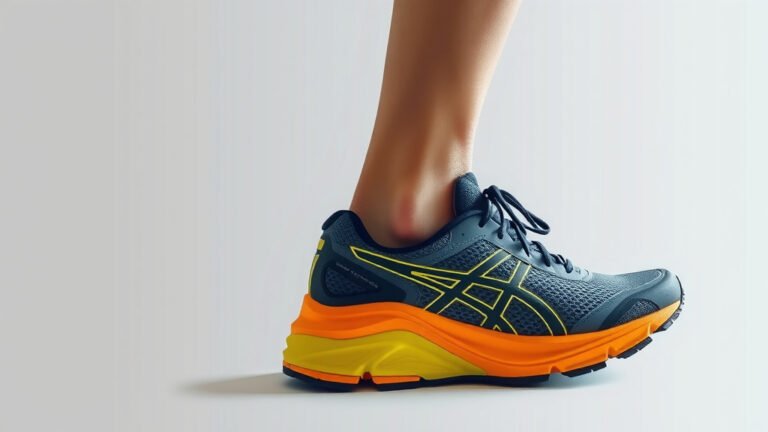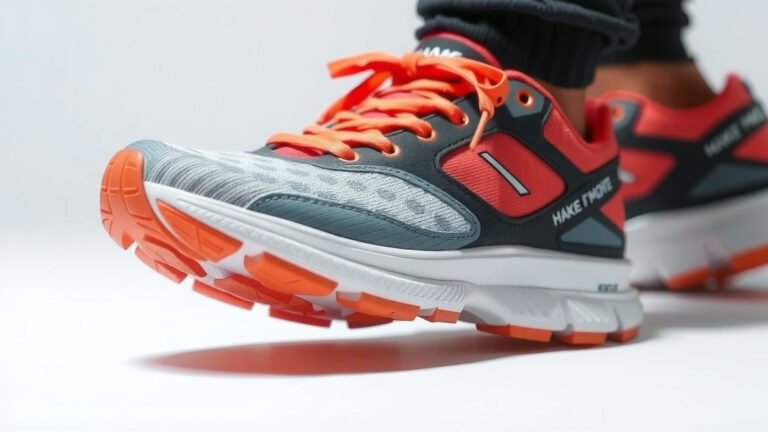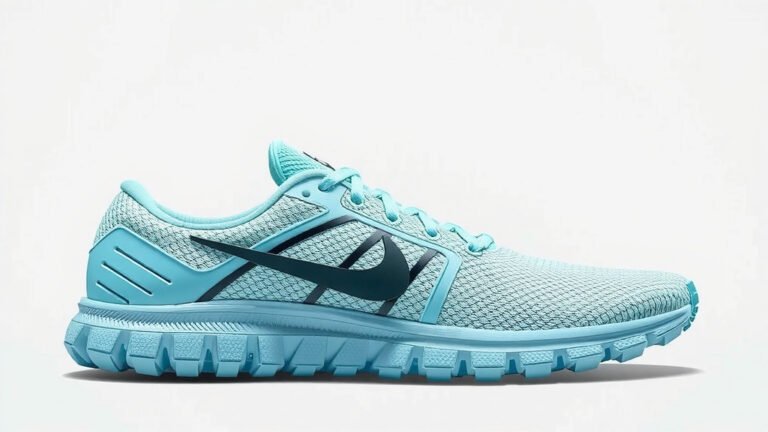
Build Your Perfect Running Shoe Rotation Strategy
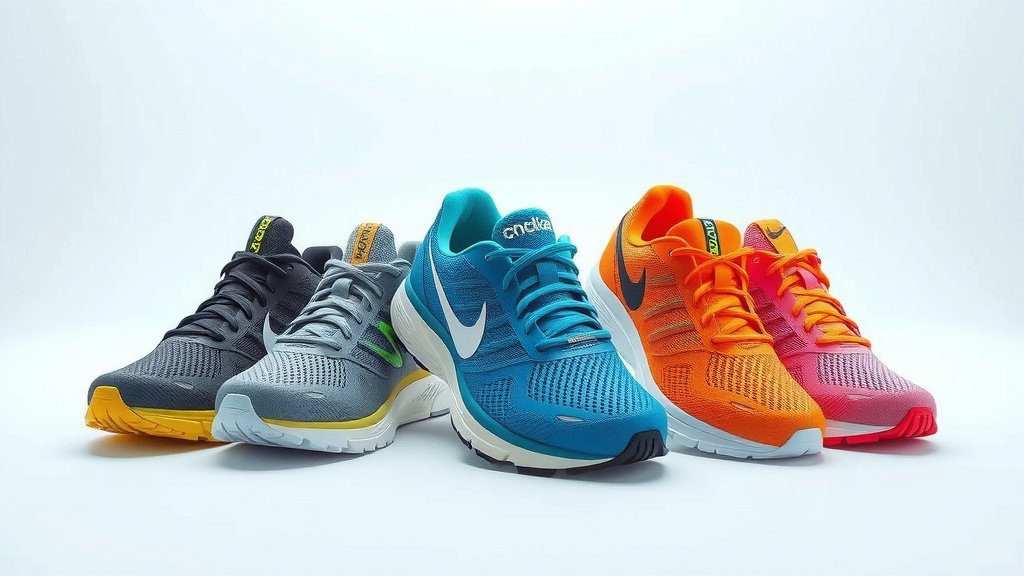
Building a running shoe rotation is easier than you think. You simply need to mix up your shoes based on your runs and recovery. This strategy helps prevent injuries and keeps your feet happy mile after mile.
Many runners find that rotating shoes can make a big difference. It’s about more than just having a backup pair. It’s about strategically using different shoes for different types of runs. We found that this approach can significantly improve your running experience.
- Start with 2-3 pairs of shoes.
- Match shoes to your run type (long, easy, speed).
- Consider comfort and support needs.
- Give your shoes a rest between runs.
Let’s walk through exactly how to build your perfect running shoe rotation step by step.
Why Rotating Your Running Shoes Makes Sense
Building a smart running shoe rotation means you’re not always lacing up the same pair. It’s a strategy that helps your feet and legs stay healthier over time. We found that this simple change can make a big difference in preventing common running injuries.
Reducing Stress on Your Body
Think of your running shoes like tires on a car. Each pair has a slightly different tread and cushioning. Using different shoes means you’re distributing the impact and stress across your feet and legs differently with each run. This variety can help avoid overuse injuries.
Many experts agree that varying your footwear can reduce the repetitive stress on specific muscles and joints (American Academy of Orthopaedic Surgeons). Your body isn’t subjected to the exact same forces every single time you hit the pavement or trail. This variety is key for long-term running health.
Extending the Life of Your Shoes
Did you know your running shoes need a break too? When you finish a run, the foam in your shoes is compressed. It needs time to decompress and regain its shape and cushioning. This process typically takes about 24-48 hours.
By rotating your shoes, you give each pair adequate rest time between runs. This allows the cushioning to recover fully. As a result, your shoes will perform better for longer and last more miles than if you wore the same pair every day. We found this simple step can extend the lifespan of your favorite shoes.
Getting Started with Your Shoe Rotation
You don’t need a closet full of shoes to start a rotation. A few well-chosen pairs can get you going. The goal is to have options that cater to different running needs and recovery.
How Many Pairs Do You Need?
For most runners, starting with two or three pairs is a great starting point. If you run frequently, like five or more times a week, three pairs might be ideal. This allows each shoe to have ample recovery time.
If you’re just beginning or run only a few times a week, two pairs might be sufficient. Make sure you allow at least a full day between runs for each pair. This ensures the cushioning has time to rebound.
Matching Shoes to Your Runs
The type of run you’re doing can help you decide which shoe to grab. Different shoes are built for different purposes. Having a mix allows you to pick the right tool for the job.
Easy/Recovery Runs
For your relaxed, everyday runs or easy recovery runs, you’ll want a shoe that offers plush comfort and ample cushioning. These shoes are designed to absorb impact and feel soft underfoot. They help your legs feel fresh after a hard workout or a long day.
Tempo/Speed Work
When you’re picking up the pace for speed work or tempo runs, you might reach for a lighter, more responsive shoe. These shoes often have less cushioning but provide a snappier feel. They help you feel quicker and more efficient when you’re running fast.
Long Runs
Your longest runs of the week often benefit from a shoe that balances comfort and support. You’ll want something that can go the distance without causing fatigue. Many runners prefer a slightly more cushioned or supportive option for these extended efforts.
Considering Shoe Features
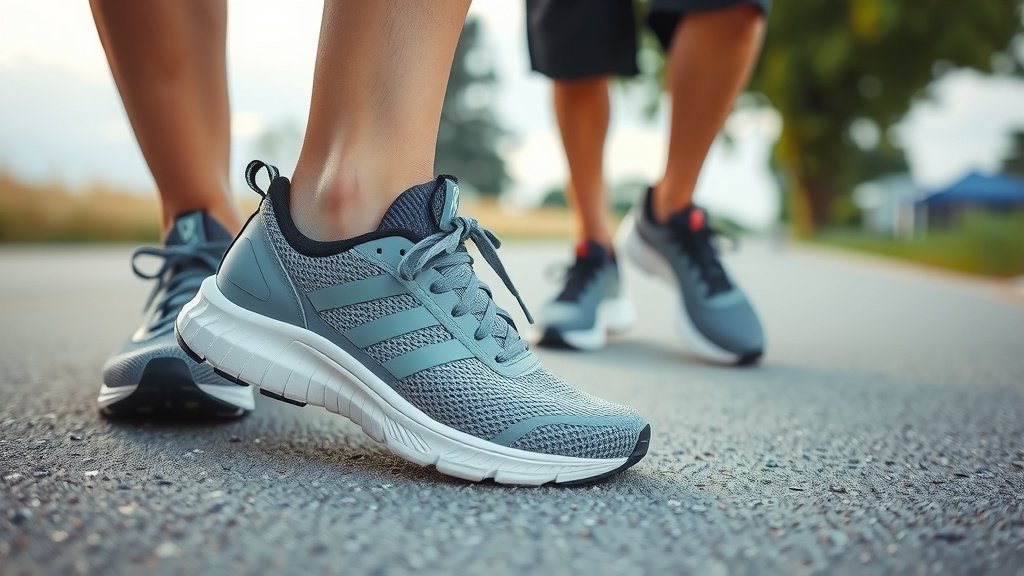
Beyond just the run type, think about the specific features your feet need. Do you overpronate? Do you need extra support? Choosing shoes that address your biomechanics is important.
Some runners benefit from a shoe with more stability features to help control inward rolling of the foot. Others do well in neutral shoes. If you’re unsure, it’s always a good idea to visit a local running store. They can analyze your gait and recommend appropriate shoe types.
Putting Your Rotation into Practice
Once you have your shoes, it’s time to put them to work. A simple system makes it easy to remember which shoe to wear when. Consistency is key to reaping the benefits.
A Simple Weekly Schedule Example
Let’s map out a hypothetical week. This is just an example, and you’ll adjust it based on your training plan and how your body feels.
| Day | Type of Run | Shoe Recommendation |
|---|---|---|
| Monday | Easy Run / Recovery | Comfortable, well-cushioned shoe |
| Tuesday | Speed Work / Tempo | Lighter, responsive shoe |
| Wednesday | Rest or Cross-Training | N/A |
| Thursday | Moderate Pace Run | Versatile trainer (can be cushioned or responsive) |
| Saturday | Long Run | Supportive, cushioned shoe |
See? With just a few pairs, you can cover your training needs. This approach helps ensure your shoes are ready when you are.
Listen to Your Body (and Your Feet!)
Above all, pay attention to how your feet and legs feel. If a shoe feels off or causes discomfort, don’t force it. Sometimes, even with a rotation, one shoe might not be the right fit for you.
Your body will often tell you when it needs a break or a different type of shoe. Don’t ignore those signals. We’ve found that runners who are attuned to their bodies tend to stay healthier longer.
When to Replace Your Shoes
Even with a rotation, running shoes have a lifespan. Most shoes last between 300 and 500 miles. Keeping track of your mileage can help you know when it’s time for a new pair.
Visible signs of wear, like worn-out treads or compressed cushioning, are also indicators. If a shoe feels less supportive or comfortable than it used to, it’s probably time for retirement. You can then make that shoe your “easy run” shoe and get a new pair for your longer or faster efforts.
Your Shoe Rotation Checklist:
- Start with 2-3 pairs of running shoes.
- Match shoe type to your run’s purpose (easy, speed, long).
- Ensure each shoe gets 24-48 hours of rest.
- Consider your foot’s needs (neutral vs. stability).
- Listen to your body for comfort cues.
- Track mileage to know when to replace shoes.
Building a shoe rotation is a smart way to enhance your running journey. It’s about smart choices that lead to more comfortable miles and fewer interruptions. You’ve got this!
Conclusion
You’ve learned how building a running shoe rotation can transform your running experience. By strategically mixing your footwear, you reduce stress on your body and extend the life of your shoes. Remember to start with two or three pairs and match them to your run types—easy, speed, or long. Listen to your body; it’s your best guide for comfort and injury prevention. Ready to get started? Your next step is to assess your current shoes and identify which ones fit best into your new rotation plan!
Frequently Asked Questions
How do I know when my running shoes are worn out?
Look for visible signs like worn-out treads, compressed cushioning, or a feeling of less support. Most running shoes last between 300 to 500 miles. If your shoes feel less comfortable or protective, it’s likely time for a new pair.
Can I use my rotation shoes for cross-training?
For general cross-training like walking or gym workouts, your rotation shoes are usually fine. However, for activities requiring specific support (like court sports or hiking), it’s best to use dedicated shoes. Your running shoes are optimized for forward motion, not side-to-side or impact from other activities.
What if I only run once or twice a week?
If you run infrequently, two pairs of shoes are likely enough. The key is to ensure each pair gets at least 24-48 hours of rest between runs. This allows the cushioning to fully recover its structure and support.
Do I need different shoes for road and trail running?
Yes, it’s highly recommended. Trail running shoes offer different traction and protection suited for uneven terrain, rocks, and mud. Road running shoes are designed for smoother surfaces and offer different cushioning and responsiveness. Using the right shoe for the surface prevents injury and enhances performance.
How can I track the mileage on my running shoes?
Many running apps or GPS watches allow you to log your runs and associate them with specific shoes. You can also keep a simple notebook or spreadsheet to record when you start using a new pair and log your runs. This helps you accurately estimate when they’re nearing the end of their lifespan.