Your Running Shoe Rotation: The Ultimate Guide
The best running shoes for your rotation are typically a mix of cushioned trainers for everyday miles and a lighter, faster shoe for speedwork. You might also want a pair of trail shoes if you run off-road. Having a rotation helps reduce injury and makes your shoes last longer.
Building a running shoe rotation means having a few pairs to swap between. This strategy is widely recommended by running experts and coaches. It helps your feet and legs handle different types of running stress. Think of it like rotating your tires on your car. This makes everything last longer and perform better.
- Have at least two pairs of running shoes.
- Consider a daily trainer and a faster shoe.
- Add trail shoes if you run off-road often.
- Rotating shoes can prevent common running injuries.
- It also helps your shoes wear out more evenly.
Ready to build your perfect running shoe collection? Let’s dive into the types of shoes that make up a smart rotation and why they’re so beneficial for your running journey.
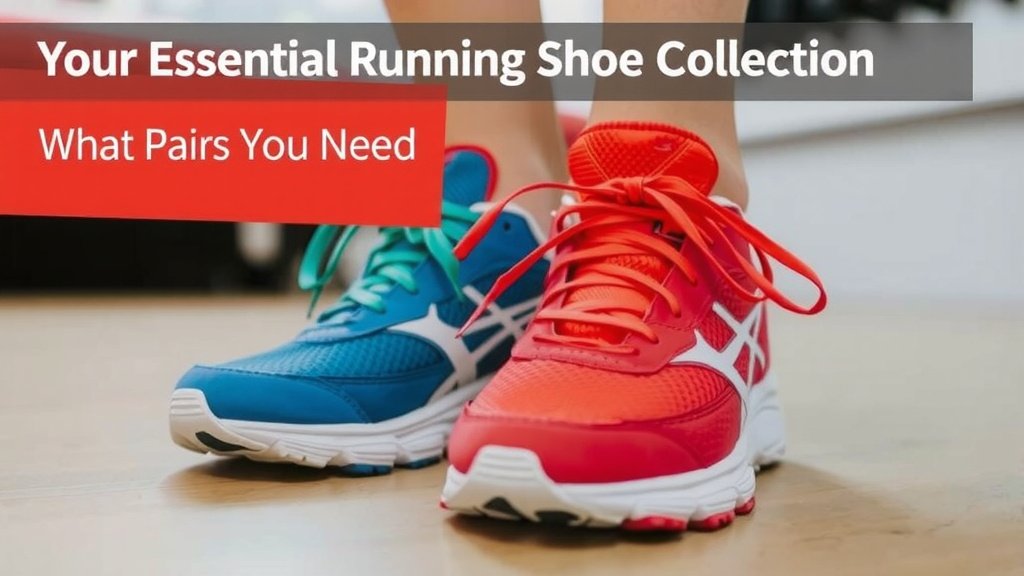
Your Essential Running Shoe Collection: What Pairs You Need
Having a few different pairs of running shoes is a smart move. It’s not about having a huge collection. It’s about having the right shoes for different types of runs. This approach helps prevent injuries and keeps your shoes feeling fresh for longer. Think of it as giving your feet and legs a break with varied support.
The Daily Trainer: Your Workhorse Shoe
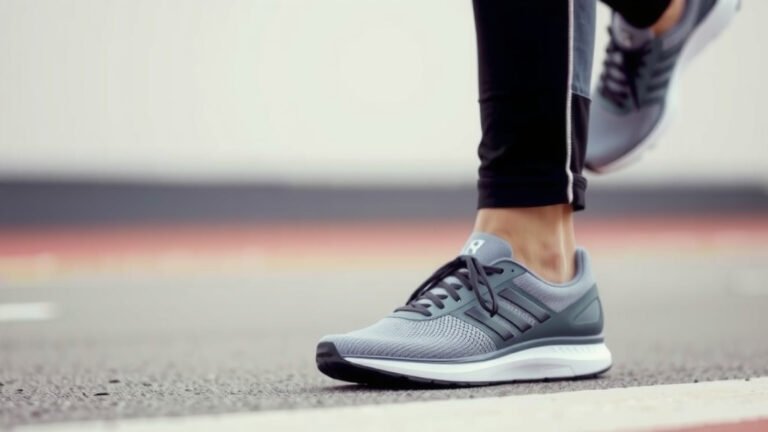
This is the shoe you’ll likely wear the most. Your daily trainer should offer a good balance of cushioning and support. It’s designed for comfort on your everyday miles. Whether you’re running a quick 5k or a longer training run, this shoe is your go-to. We found that a well-cushioned shoe can help **reduce impact stress** on your joints.
Look for a shoe that feels good from the first step. It should have enough **midsole cushioning** to absorb shock. It also needs to feel stable, but not overly stiff. Many runners find that shoes with a moderate heel-to-toe drop work well for daily use. The goal is comfort and durability for mile after mile.
What to Look For in a Daily Trainer
- Ample Cushioning: You want a shoe that feels soft underfoot.
- Comfortable Fit: It should feel good right out of the box.
- Durability: These shoes need to hold up to a lot of miles.
- Versatility: Good for easy runs, recovery runs, and longer efforts.
The Speed Shoe: For When You Want to Fly
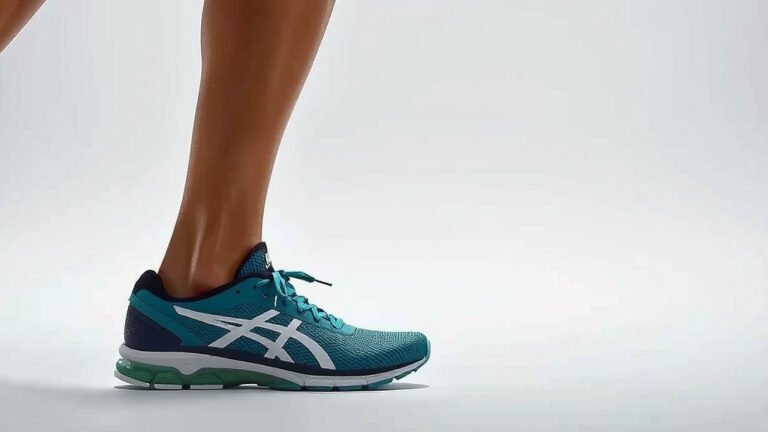
Every runner can benefit from a lighter, faster shoe. This pair is for your speed workouts. Think interval training, tempo runs, or even race day. These shoes are typically less cushioned and more responsive. They help you feel quicker and more agile on your feet.
While they offer less plush cushioning, they often have a **snappier feel**. This means they help you spring off the ground more efficiently. Many speed shoes also have a lower profile and a more flexible construction. This allows your foot to move more naturally. Research from exercise science suggests that using lighter shoes can **improve running economy**. That means you use less energy to run at the same pace.
Key Features of a Speed Shoe
- Lightweight Design: Every ounce counts when you’re picking up the pace.
- Responsive Midsole: You want a shoe that feels energetic.
- Flexibility: Allows for a natural foot motion during faster strides.
- Lower Profile: Often means less bulk and a closer feel to the ground.
The Trail Shoe: For Off-Road Adventures
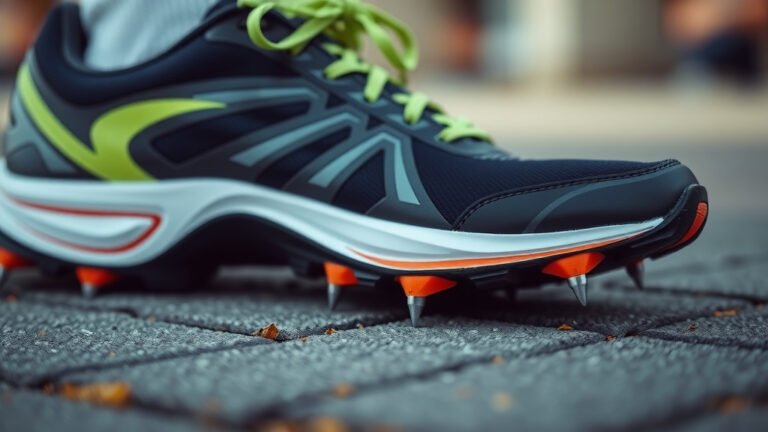
If your running routes take you off the pavement, a trail shoe is a must. These shoes are built for **uneven terrain and unpredictable surfaces**. They offer superior traction and protection compared to road shoes. You’ll find they have deeper lugs on the outsole for grip.
Trail shoes also often feature reinforced uppers to protect your feet from rocks and debris. Some even have rock plates for added underfoot protection. The specific features will vary depending on the type of trail you run. Muddy trails might need aggressive lugs, while rocky trails might need more protection. The American College of Sports Medicine notes that appropriate footwear can **reduce the risk of slips and falls** on varied surfaces.
When to Choose a Trail Shoe
- Muddy Trails: Look for deep, widely spaced lugs for maximum grip.
- Rocky Terrain: Opt for shoes with good underfoot protection (rock plates).
- Uneven Surfaces: A more stable platform can help prevent ankle rolls.
- Wet Conditions: Water-resistant uppers can keep your feet drier.
Why Building a Shoe Rotation Matters
You might wonder why you need more than one pair. It boils down to two main benefits: injury prevention and shoe longevity. Rotating your shoes gives your feet and legs different stimuli. This helps build strength and adaptability.
Reducing Your Risk of Injury
Experts widely agree that rotating shoes can be a game-changer for injury prevention. Each shoe type stresses your body slightly differently. This variety can help avoid overuse injuries. For example, consistently running in the same heavily cushioned shoe might not strengthen certain smaller muscles. Switching to a slightly firmer or lighter shoe can engage those muscles differently.
We found that many common running injuries, like plantar fasciitis or Achilles tendinitis, can be linked to repetitive stress. By varying your footwear, you vary that stress. The Centers for Disease Control and Prevention (CDC) highlights that **proper footwear is essential** for preventing foot and lower extremity injuries. It’s not just about comfort; it’s about biomechanical health.
Making Your Shoes Last Longer
Did you know that your shoe’s cushioning needs time to recover? After a run, the foam in the midsole gets compressed. It needs time to expand back to its original shape. If you run in the same pair every day, the foam stays compressed. This leads to a faster loss of cushioning and support.
By alternating between two or more pairs, you give each shoe a break. This recovery period allows the midsole foam to **rebound effectively**. This process helps maintain the shoe’s shock-absorbing qualities for longer. Essentially, you’re giving your shoes a chance to ‘rest’ and regain their structure. This means you get more miles out of each pair before they feel dead.
How to Start Your Shoe Rotation
Getting started is simpler than you might think. You don’t need a closet full of shoes. Begin with the basics.
- Start with at least two pairs.
- One should be a comfortable daily trainer.
- The second could be a lighter shoe for faster days.
- If you hit the trails, add a trail shoe to the mix.
- Listen to your body – it will tell you when a shoe is no longer working.
A Sample Running Shoe Rotation Checklist
Here’s a simple checklist to help you build your perfect rotation:
- Do you have a dedicated daily trainer?
- Does this trainer feel comfortable for most of your runs?
- Do you have a lighter shoe for speed work or races?
- If you run trails, do you have a trail-specific shoe?
- Are your shoes showing signs of excessive wear?
- Do you feel any new aches or pains after runs?
Conclusion
Building a running shoe rotation is a smart strategy for any runner. You’ve learned that having a mix of shoes, like a daily trainer, a speed shoe, and a trail shoe, offers real benefits. Rotating your footwear helps reduce stress on your body and can prevent common injuries. It also allows your shoes to recover, extending their lifespan. Don’t overcomplicate it; start with two versatile pairs and see how your body responds. Your next step is to assess your current shoe collection and identify what might be missing to create your ideal rotation.
Frequently Asked Questions
How many pairs of running shoes should I have in my rotation?
Most runners benefit from having at least two pairs of running shoes. A good starting point is one comfortable daily trainer and a lighter shoe for faster efforts. If you run on trails, adding a third trail-specific shoe is highly recommended for safety and performance.
How do I know when my running shoes are worn out?
Look for clear signs like the outsole tread being significantly worn down, the midsole feeling less cushioned or squishy, or experiencing new aches and pains after runs that weren’t there before. If the shoe no longer feels supportive, it’s likely time for a replacement.
Can I use my trail shoes for road running?
While you can technically run in trail shoes on roads, it’s not ideal for long-term use. Trail shoes have aggressive outsoles that wear down quickly on pavement, and they may feel stiffer or heavier than road shoes. It’s best to use road shoes for road running and trail shoes for trails.
What’s the difference between a daily trainer and a racing shoe?
Daily trainers are built for comfort and durability, offering ample cushioning for everyday miles. Racing shoes, or speed shoes, are much lighter, more responsive, and often have less cushioning. They are designed for maximum efficiency during faster workouts or races, not for everyday wear.
How often should I rotate my running shoes?
Aim to alternate between your shoes every run or at least every other run. This allows the midsole foam in each shoe adequate time to decompress and regain its cushioning properties between uses. It’s the most effective way to maximize the benefits of a rotation.