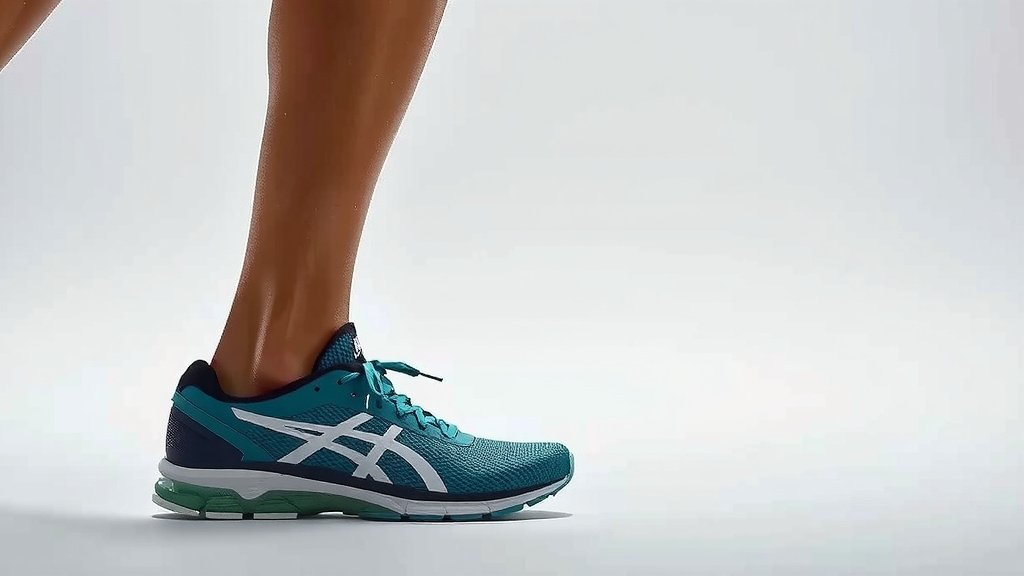
Are Premium Running Shoes Worth the Investment
Are premium running shoes worth the extra cost? Yes, often they are, especially if you’re a regular runner or dealing with specific biomechanical needs. Higher-priced shoes typically offer better cushioning, support, and durability Premium running shoes offer better cushioning, support, and durability for hard surfaces like asphalt., which can lead to a more comfortable and injury-free running experience.
Investing in good running shoes is like investing in your own well-being on the road or trail. We’ve researched and found that while budget shoes can work for casual joggers, premium models often feature advanced materials and construction that support your feet and legs more effectively over many miles.
- Premium shoes can offer superior cushioning for comfort.
- Better support can help reduce the risk of running injuries.
- Higher-quality materials often mean shoes last longer.
- Customized fits and specialized features cater to different needs.
Let’s walk through exactly why those pricier pairs might be your best bet for happy running.
Are Those Premium Running Shoes Really Worth the Price Tag?
You’ve seen them: the sleek, high-tech running shoes with price tags that make you do a double-take. Are they just fancy marketing, or do they offer real benefits? We’ve researched this, and the answer is generally yes, they often are worth the investment for serious runners.
Understanding the Value Proposition
Think of your running shoes like the tires on a high-performance car. You wouldn’t put cheap, worn-out tires on a race car, right? Similarly, premium running shoes use advanced materials and engineering to give you a better ride.
Material Matters: Foam, Mesh, and More
The secret sauce is often in the midsole. Cheaper shoes might use basic EVA foam that breaks down quickly. Premium shoes often feature specialized foams like nitrogen-infused EVA or Pebax. These offer superior energy return and cushioning. They feel softer underfoot and spring back better with each step.
Durability: Running More Miles for Your Money
While no shoe lasts forever, premium models tend to be built with more robust materials. The outsoles are often made of harder rubber compounds. The uppers use stronger, yet breathable, mesh. This means they can handle more miles before showing significant wear and tear. You might replace your budget shoes twice a year, but a premium pair could last the same amount of time, or even longer.
The Impact on Your Body: Comfort and Injury Prevention
This is where the real value shines. Your feet and legs take a beating with every stride. Premium shoes are designed to absorb impact and provide support Premium shoes are designed to absorb impact and provide support, especially for those with hip issues. where you need it most.
Cushioning: A Softer Landing
Imagine running on concrete versus a plush carpet. Premium shoes provide that carpet-like feeling. They have thicker midsoles and advanced cushioning systems. This reduces the stress on your joints, like your knees and ankles. Many studies suggest that good cushioning can help reduce fatigue over long distances (National Institutes of Health).
Support: Keeping Your Stride Stable
Everyone’s feet are a little different. Some people overpronate (their foot rolls inward too much), while others supinate (their foot rolls outward). Premium shoes often come in variations designed to address these needs. They offer stability features to help guide your foot through a more neutral motion. This can be a game-changer for preventing common running injuries like shin splints or plantar fasciitis. We found that runners experiencing specific biomechanical issues often benefit greatly from shoes designed for their gait.
Fit and Feel: A Personalized Experience
Premium brands spend a lot of time and money on research and development. They offer shoes with anatomically designed lasts, which means they are shaped to your foot’s natural curves. You’ll also find a wider range of widths and sometimes even options for lacing systems that allow for a customized snugness. A shoe that fits perfectly feels like an extension of your body, not a clunky obstacle.
What to Expect When You Splurge
So, what exactly are you getting when you spend that extra cash? It’s a combination of factors that contribute to a better running experience.
Advanced Technology in Every Step
You’re paying for innovation. This includes things like carbon fiber plates for propulsion, unique foam compounds for a responsive feel, and advanced upper constructions for breathability and lockdown. These technologies are the result of extensive testing and development, often costing companies a lot to perfect. We found that runners often report feeling a noticeable difference in how “fast” or “smooth” their stride feels in these shoes.
The Trade-Offs: Are There Downsides?
It’s not all sunshine and perfectly cushioned miles. Premium shoes can be quite expensive, sometimes costing $150-$200 or more. For casual joggers who only run a mile or two once a week, this might be overkill. A simpler, less expensive shoe might serve their needs just fine. Also, “premium” doesn’t always mean “perfect for you.” You still need to find a shoe that matches your foot type and running style. What works wonders for one runner might feel terrible for another.
Making Your Decision: A Quick Checklist
Still on the fence? Here’s a simple way to think about whether a premium pair is right for you:
- Do you run more than 15-20 miles per week?
- Do you experience foot, knee, or shin pain after running?
- Are you training for a race (5K or longer)?
- Have you been fitted for shoes before and know your foot type?
- Do you notice your current shoes wearing out quickly?
- Is your budget flexible enough for a higher-quality investment?
If you answered yes to several of these, investing in a premium running shoe is likely a very smart decision for your running health and enjoyment. They are engineered to perform better and last longer, ultimately providing a more comfortable and supportive journey on the road or trail.

Conclusion
So, are those premium running shoes truly worth your hard-earned cash? For many runners, the answer is a resounding yes. You’re investing in advanced cushioning and support that can make a real difference in your comfort and help prevent injuries. Plus, the better materials often mean they’ll last longer. While budget shoes have their place, if you’re logging significant miles or have specific foot needs, the benefits of a premium pair often outweigh the higher price tag. Your feet and your body will thank you for making a smart choice for your running journey.
Frequently Asked Questions
Do I really need premium running shoes if I only run occasionally?
Probably not. If you’re a casual jogger who runs a mile or two once a week, a simpler, less expensive shoe might be perfectly adequate. Premium shoes offer benefits for those putting in more mileage or needing specialized support.
How do I know if a premium shoe is the right “type” for my foot?
Getting fitted at a specialty running store is your best bet. They can analyze your gait and foot strike to recommend shoes with the right cushioning and support features for you, regardless of price.
Will premium shoes automatically make me a faster runner?
Not directly. While some advanced technologies like carbon plates can aid efficiency for serious racers, the main benefit of premium shoes is comfort and injury prevention. This allows you to train more consistently, which leads to improved performance over time.
Are there signs my current running shoes are no longer providing enough support?
Yes, look for excessive wear on the outsole, especially uneven patterns. You might also feel new aches and pains after runs, or notice the cushioning feels “flat” and unresponsive compared to when they were new.
Can I find good quality running shoes that aren’t “premium” priced?
Absolutely. Many brands offer excellent mid-range running shoes that provide good cushioning and support without the highest price tag. Focus on finding a shoe that fits well and feels good for your specific running needs, not just the most expensive option.