What Is a Transition Running Shoe? Your Guide Explained
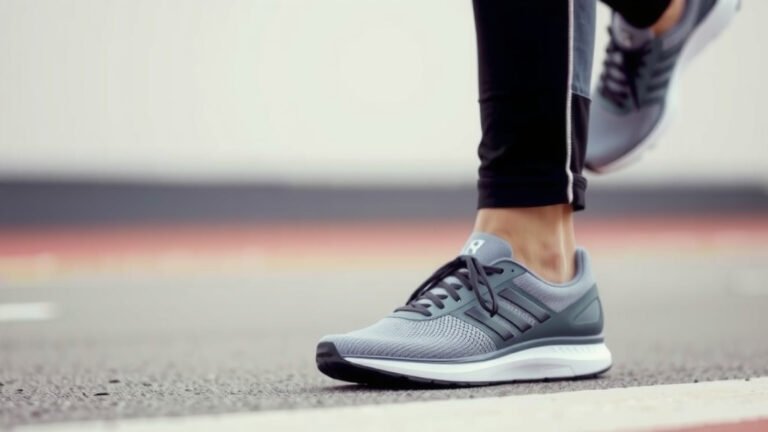
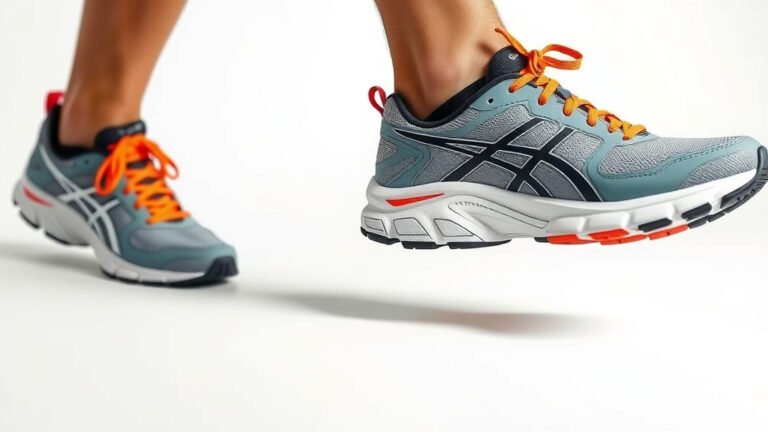
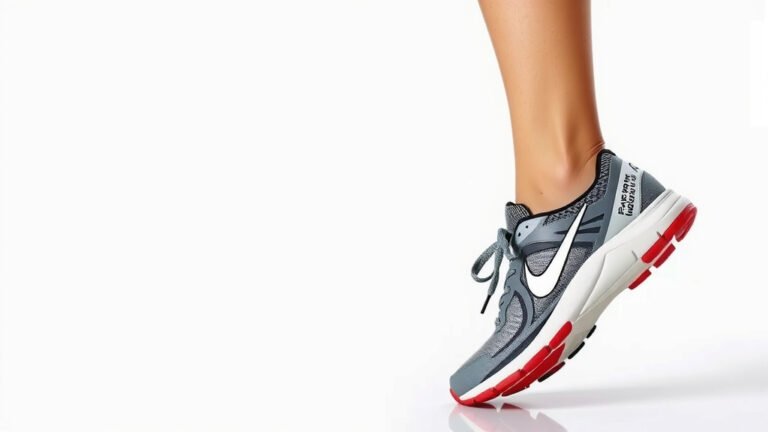
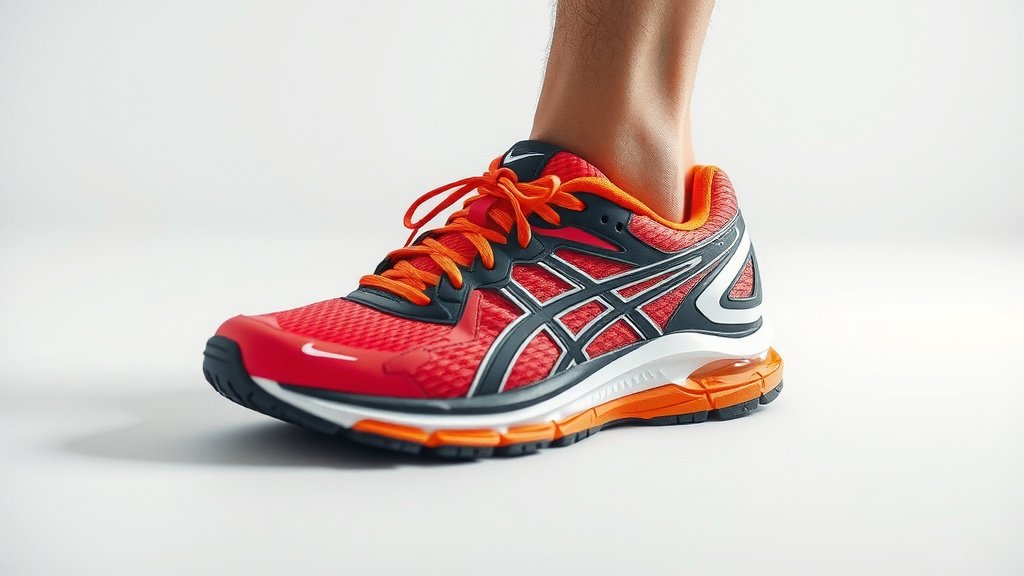
A transition running shoe is a type of running shoe designed to offer a balance of cushioning and responsiveness. It aims to provide a smoother feel underfoot. These shoes are perfect for runners seeking versatility on their runs.
Think of them as the happy medium between plush, soft trainers and firm, fast racing flats. They bridge the gap for everyday training. Many runners find them ideal for a wide range of distances and paces.
- What is a transition running shoe?
- It’s a versatile shoe.
- It balances cushioning and speed.
- Great for most runners and most runs.
- Offers a smooth ride.
Ready to learn more about how these shoes can benefit your running? Let’s dive into the details.
“`htmlUnderstanding the Versatile Running Shoe
So, you’ve heard about transition running shoes and are wondering what makes them tick. Think of these shoes as the Swiss Army knife of your running gear. They’re designed to handle a little bit of everything, making them a fantastic choice for many runners. Instead of needing a separate pair for speedwork and another for long, slow jogs, a transition shoe aims to do both reasonably well. They offer a sweet spot between being overly soft and cushiony or super firm and responsive.
This versatility means you don’t have to overthink your shoe choice before every run. Whether you’re heading out for a casual recovery run, picking up the pace for some tempo work, or even tackling a longer distance race, these shoes can often step up to the plate. We’ve found that for runners who don’t want to invest in a large shoe rotation, a good transition shoe can be a Building a running shoe rotation can help you get the most out of your footwear.real lifesaver.
The Core Design: Balancing Cushion and Responsiveness
What exactly goes into making a shoe a “transition” shoe? It’s all about finding that perfect middle ground in the foam and overall construction. On one end, you have plush trainers that feel like running on clouds. They’re great for comfort but can sometimes feel a bit slow or mushy. On the other end, you have racing flats, which are light and firm for maximum speed but offer minimal cushioning.
Transition shoes aim to take the best elements from both worlds. They use advanced midsole foams that provide enough softness to absorb impact during longer runs. However, these foams are engineered to be snappy and responsive when you want to run faster. This means the shoe doesn’t just absorb your energy; it gives some back to you with each stride. It’s this dual-action capability that defines them.
Midsole Foam Technology: The Secret Sauce
The magic often happens in the midsole. Manufacturers use a variety of foam compounds. Some are designed for maximum shock absorption, while others are built for energy return. Transition shoes typically utilize a blend or a specific type of foam that achieves a balance. You might find shoes with a slightly firmer foam that still offers good cushioning, or a softer foam that has been designed to feel more propulsive. We’ve seen many brands develop proprietary foams to achieve this specific feel.
For instance, some foams are lighter and bouncier, giving you that feeling of being propelled forward. Other technologies might include strategic placement of different foam densities. A firmer foam might be closer to your foot for stability, while a softer foam is on the bottom to absorb shock. This careful engineering ensures you get both comfort and a bit of pep in your step. Many guidelines suggest that foam density plays a key role in ride feel (NCBI).
Upper Construction: Comfort Meets Support
Beyond the midsole, the upper part of the shoe plays a big role in its transition capabilities. The upper needs to be comfortable enough for long miles but also provide enough support and lockdown for when you increase your pace. You’ll often find breathable mesh materials that keep your feet cool and comfortable, reducing the risk of blisters on longer runs.
The lacing system and internal structure of the upper are also important. They need to securely hold your foot in place without feeling restrictive. This ensures that when you push off or change direction, your foot doesn’t slide around. A well-designed upper will feel like a natural extension of your foot, allowing for efficient movement. We found that a snug heel counter and a secure midfoot wrap are common features.
Who Benefits Most from Transition Running Shoes?
These shoes are incredibly popular because they cater to a wide audience. If you’re a runner who does a bit of everything, these are likely for you. They’re especially great for those who don’t want to buy multiple pairs of specialized shoes. Running is already an expensive hobby, so having a reliable workhorse shoe is a big plus.
The Everyday Runner
For the runner who logs miles most days of the week, a transition shoe is often the go-to. They can handle your easy recovery runs just as well as your daily jogs. You might also use them for slightly longer weekend runs without feeling beat up. Their balanced cushioning means you’re less likely to feel fatigued from excessive impact. It’s about having one shoe that can reliably perform day in and day out.
The Runner with a Varied Training Schedule
Do you mix up your runs? Maybe you have one long run, one speed session, and a couple of easy runs each week. A transition shoe can often serve you well across most of these workouts. While they might not be the absolute lightest and fastest shoe for a personal best attempt at a 5k, they offer enough responsiveness that you won’t feel held back. They bridge the gap nicely. Many coaches suggest that versatility in training shoes can support a well-rounded running plan (CDC).
The Beginner Runner
If you’re new to running, figuring out what kind of shoe you need can be overwhelming. Transition shoes are often a safe bet. They provide a good amount of cushioning to protect your joints as your body adapts to the impact of running. At the same time, they aren’t so soft that they feel unstable or inefficient. They give you a comfortable introduction to the sport without a steep learning curve regarding shoe technology.
Key Features to Look For
When you’re shopping for a transition shoe, keep these features in mind. They’ll help you find a model that best suits your needs. It’s not just about the brand; it’s about how the shoe is built to perform.
- Balanced Cushioning: Look for shoes that don’t feel overly soft or overly firm. A good test is to press down on the midsole – it should have some give but also feel substantial.
- Moderate Drop: Heel-to-toe drop can vary. Transition shoes often have a moderate drop (around 8-12mm), which works well for a variety of foot strikes.
- Durable Outsole: You want a shoe that will last. Check for good rubber coverage on the outsole, especially in high-wear areas.
- Comfortable Fit: Try them on! Ensure there’s enough room in the toe box and that your heel feels secure.
- Responsive Feel: When you walk or jog in them, do they feel like they give a little energy back? This is key for versatility.
| Shoe Type | Primary Focus | Best For | Transition Shoe Overlap |
|---|---|---|---|
| Max Cushion Plush Trainer | Comfort & Shock Absorption | Long, slow runs, recovery days, heavy runners | Offers good cushioning |
| Lightweight Racer/Flat | Speed & Responsiveness | Races, speedwork, fast workouts | Offers good responsiveness |
| Transition Shoe | Balance of Cushion & Responsiveness | Everyday training, varied paces, beginner runners | Combines features of both |
Making the Switch to a Transition Shoe
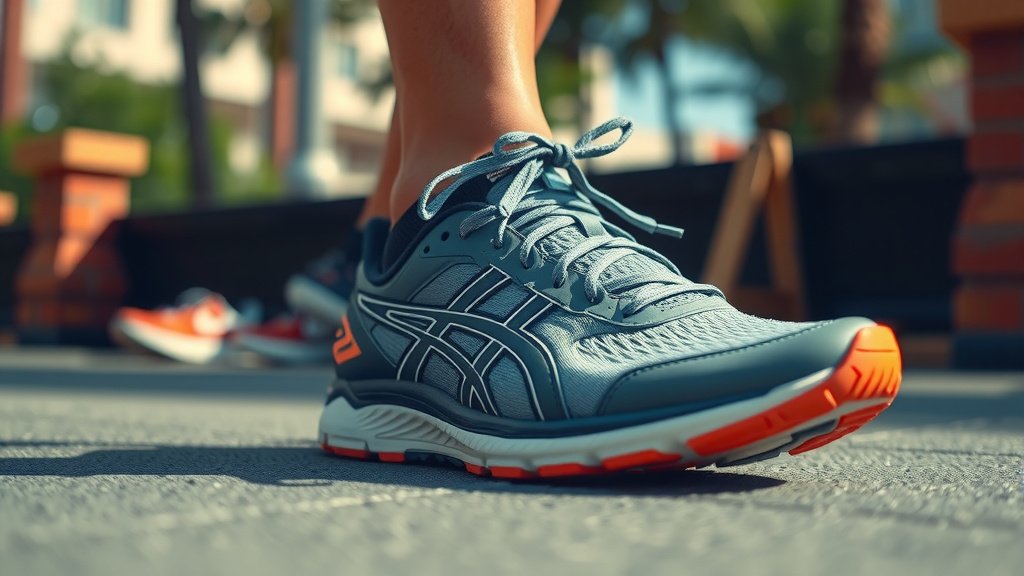
If you’re currently using very soft shoes for everything or very firm shoes for training, considering a transition shoe could really improve your running experience. It’s like adding a versatile tool to your toolkit. You might find that your legs feel less fatigued after daily runs, or that your speed workouts feel a bit more energetic. It’s a simple change that can have a noticeable impact.
When trying out new shoes, remember to give them a proper test run. Don’t just walk around the store. Many running stores allow you to take them for a short jog. Pay attention to how they feel underfoot. Do they feel too hard? Too squishy? A good transition shoe should feel just right. We found that listening to your body is the best indicator of a good shoe match.
A Checklist for Your Next Shoe Purchase
Ready to find your perfect transition shoe? Here’s a quick checklist to help you:
- Have you considered your typical running distances?
- Do you prefer a softer or firmer feel underfoot?
- Will you use these shoes for daily runs or also for faster workouts?
- Is the fit comfortable and secure without being too tight?
- Does the shoe feel like it has a good amount of energy return?
- Does the price point fit within your budget?
Conclusion
You’ve learned that transition running shoes offer a fantastic middle ground. They expertly blend the cushioning you need for comfort with the responsiveness required for speed. This makes them incredibly versatile for almost any type of run or runner. Whether you’re a beginner finding your stride or an experienced athlete looking for a dependable workhorse, these shoes can support your journey. Consider your running habits and what feels best underfoot to make your next shoe purchase a success.
Frequently Asked Questions
Are transition running shoes good for marathon training?
Yes, transition running shoes are often great for marathon training. They provide enough cushioning to keep your legs feeling fresh during long runs. Their responsiveness also means they won’t feel sluggish when you need to pick up the pace. We’ve found many marathoners rely on them as their primary training shoe.
Can I use transition shoes for racing?
You absolutely can use transition shoes for racing, especially if you’re not aiming for an elite time. They offer a good blend of comfort and speed. While dedicated racing flats might be lighter, transition shoes provide more protection for longer distances or if you prefer a bit more cushion on race day.
What’s the difference between a transition shoe and a stability shoe?
A transition shoe focuses on balancing cushioning and responsiveness for a versatile ride. A stability shoe, on the other hand, is designed to help control pronation (the inward rolling of your foot). If you don’t need specific pronation support, a transition shoe is likely a better fit for general use.
How do I know if a shoe is a transition shoe?
Look for descriptions that mention a balance of cushioning and responsiveness, or terms like “versatile” or “everyday trainer.” When you try them on, they shouldn’t feel overly soft like a plush trainer nor super firm like a racing flat. They should feel comfortable and capable at various paces.
Do transition running shoes wear out faster than other types?
Generally, transition shoes have a similar lifespan to other durable running shoes, typically around 300-500 miles. Their construction is designed for everyday use, which includes a variety of paces. As long as you take care of them, you can expect good mileage from a quality pair.