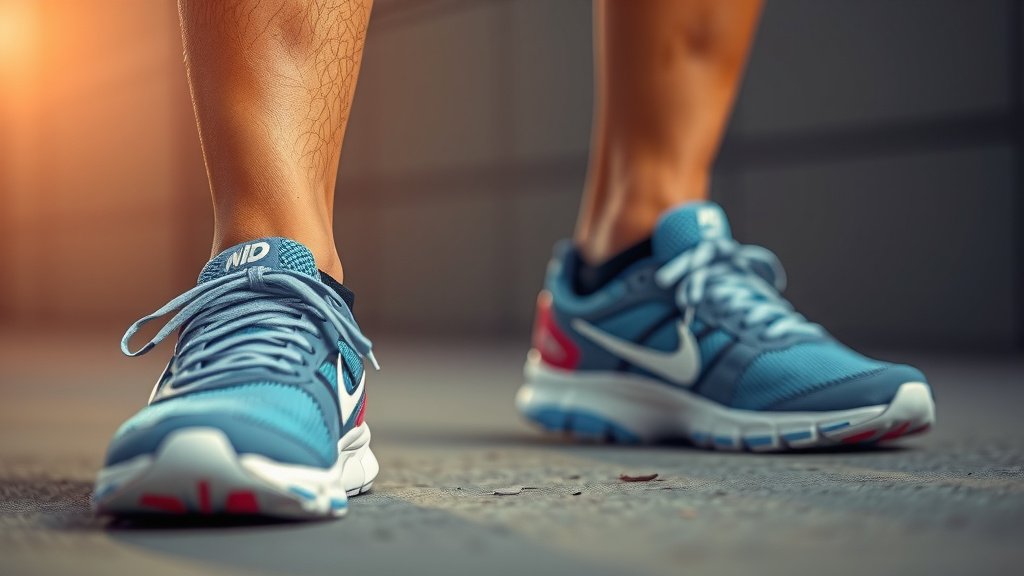
Best Running Shoes for Flat Feet: A 2026 Guide
Yes, finding the right running shoes for flat feet can make a huge difference. You need shoes that offer plenty of support to keep your feet comfortable and prevent issues. Look for shoes with good arch support and cushioning.
Flat feet mean your arches don’t quite rise like they should. This can lead to extra pressure on certain parts of your foot. Finding shoes designed to handle this common foot type is really important for happy running. We’ve researched what works best for you.
- Flat feet need supportive shoes.
- Look for good arch support.
- Cushioning helps absorb shock.
- Stability features are key.
- Proper shoes prevent pain and injury.
Ready to find your perfect pair? Let’s dive into what makes a running shoe great for flat feet and how to pick the best one for your runs.
Understanding Running Shoes for Flat Feet
So, you’ve got flat feet and you’re looking to hit the road or trail? That’s fantastic! Finding the right running shoes makes all the difference. Your feet deserve the best support. Flat feet, also known as fallen arches, mean your arch area doesn’t lift much off the ground when you stand. This can sometimes lead to overpronation. That’s when your foot rolls inward more than it should. This rolling can put extra stress on your ankles, shins, and knees. We’ve researched what experts recommend to keep you running comfortably and injury-free.
Why Support Matters for Flat Feet
Think of your arch as a natural shock absorber. When it’s flatter, it might not absorb impact as effectively. This means your shoes need to step in and do some of that work. Shoes designed for flat feet often have features to control pronation. They also provide extra cushioning where you need it most. This helps distribute pressure evenly. It’s all about keeping your feet aligned and happy on every run. Many podiatrists agree that proper footwear is key for preventing common running pains (American Podiatric Medical Association).
What to Look For: Key Shoe Features
When you’re shopping for running shoes, you’ll see a lot of terms. For flat feet, a few features stand out. These are the elements that will really benefit your stride. We want to help you sort through the jargon. Let’s break down what makes a shoe a great match for your feet.
Stability vs. Neutral Shoes
This is a big one. Most running shoes fall into two categories: neutral or stability. Neutral shoes are for runners with normal arches. They offer good cushioning. Stability shoes are designed for runners who overpronate. This often includes people with flat feet. Stability shoes have features to guide your foot. They help prevent that excessive inward roll. We found that stability shoes are generally recommended for runners with flat feet.
Arch Support is Non-Negotiable
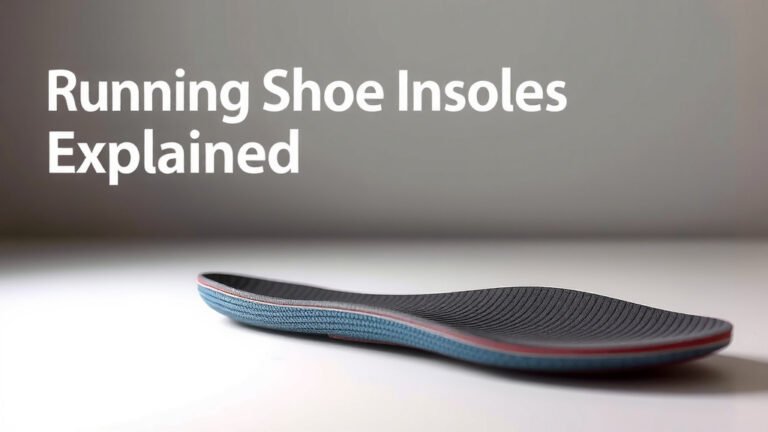
You need shoes that actively support your arch. This isn’t just about feeling good; it’s about biomechanics. A shoe with a well-defined arch will help guide your foot. It helps keep it from collapsing inward. Some shoes have removable insoles. This allows you to add custom orthotics if you need even more support. We found that shoes with built-in arch support are often sufficient for many runners.
Cushioning: Your Impact Buffer
Running involves impact. Your feet take a beating with every step. Shoes with ample cushioning help absorb that shock. This is especially important for flat feet. It reduces the stress on your joints. Look for shoes with responsive cushioning. This means it bounces back well. It provides comfort without feeling mushy or unstable. We found that a balance of cushioning and support is ideal.
Motion Control Features
Some shoes go a step further with motion control. These are often the most supportive. They are designed for severe overpronation. They can feel a bit stiffer. Motion control shoes typically have a wider base. They also feature reinforced support on the medial (inner) side of the shoe. If you have very flat feet and significant overpronation, these might be your best bet. We found that these shoes offer the highest level of support.
Common Misconceptions About Flat Feet and Running
There’s a lot of chatter out there. Some people think flat feet mean you can’t run. That’s simply not true! Many successful runners have flat feet. The key is finding the right gear. Another myth is that all flat feet are the same. Your foot shape and how it moves are unique. What works for one person might not work for another. We found that personalized assessment is often helpful.
“Are Flat Feet Bad for Running?”
Not at all! Having flat feet doesn’t automatically mean you’ll have problems. Many people run without issues. However, if you experience pain or discomfort, your footwear is a great place to start. Addressing your foot mechanics with the right shoes can prevent many common running ailments. Research suggests that properly fitted shoes can reduce injury risk by a significant margin (CDC).
How to Choose Your Perfect Pair: A Step-by-Step Guide
Ready to find your sole mate? It’s an exciting process. We want to make it as easy as possible for you. Here’s a straightforward way to approach your shoe shopping.
Step 1: Assess Your Arch and Pronation
The wet test is a simple way to get an idea. Wet your feet and step onto a piece of paper. If you see most of your foot, you likely have flat feet. If you see only your heel and the ball of your foot, you have a high arch. If you see about half of your foot, you have a normal arch. Observing your old shoes can also tell a story. Do they wear down heavily on the inside edge? That suggests overpronation.
Step 2: Visit a Specialty Running Store
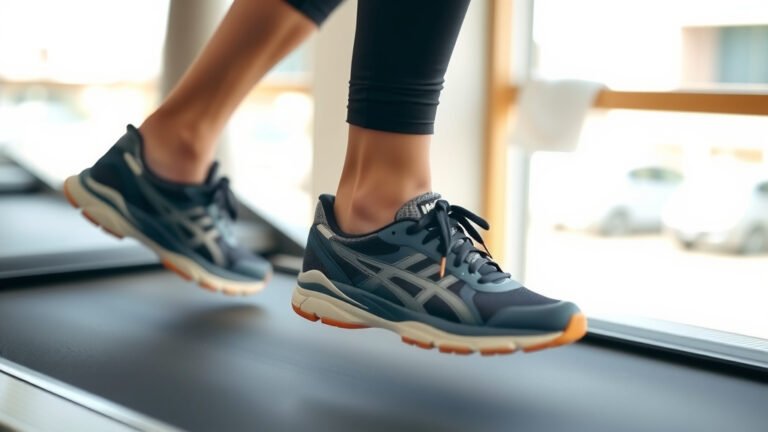
This is where the magic happens. Staff at these stores are trained. They can analyze your gait. This means they watch you walk and run. They’ll often have you run on a treadmill. They can then recommend specific shoes based on your needs. Don’t be shy; tell them about your flat feet! We found this is the most effective way to get personalized advice.
Step 3: Try Them On and Test Them Out
Always try shoes on before buying. Wear the type of socks you normally run in. Walk around the store. If possible, jog a little. Pay attention to how they feel. There should be no pinching or rubbing. You want a shoe that feels supportive and comfortable right away. We found that a good fit means no break-in period is necessary.
Step 4: Consider the Terrain
Are you mostly running on roads? Or do you prefer trails? Road running shoes prioritize cushioning. Trail running shoes offer more grip and protection. Make sure the shoe is appropriate for where you’ll be running most.
Your Running Shoe Checklist for Flat Feet
- Stability or Motion Control: Prioritize shoes designed for pronation.
- Good Arch Support: Ensure the shoe supports your arch area.
- Ample Cushioning: Look for comfort and shock absorption.
- Proper Fit: Your toes should have wiggle room. The heel shouldn’t slip.
- Comfort First: If they don’t feel good, they aren’t the right shoe.
- Specialty Store Advice: Get a gait analysis if possible.
A Quick Look at Shoe Types
Here’s a simplified table to help you visualize:
| Shoe Type | Best For | Key Features for Flat Feet |
|---|---|---|
| Stability Shoes | Mild to moderate overpronation, common for flat feet | Medial post, guide rails, structured cushioning |
| Motion Control Shoes | Severe overpronation, very flat feet | Stiffer construction, wider base, maximum support features |
| Neutral Shoes | Normal arches, slight underpronation | Flexible, good cushioning, minimal pronation support (generally not ideal for flat feet) |
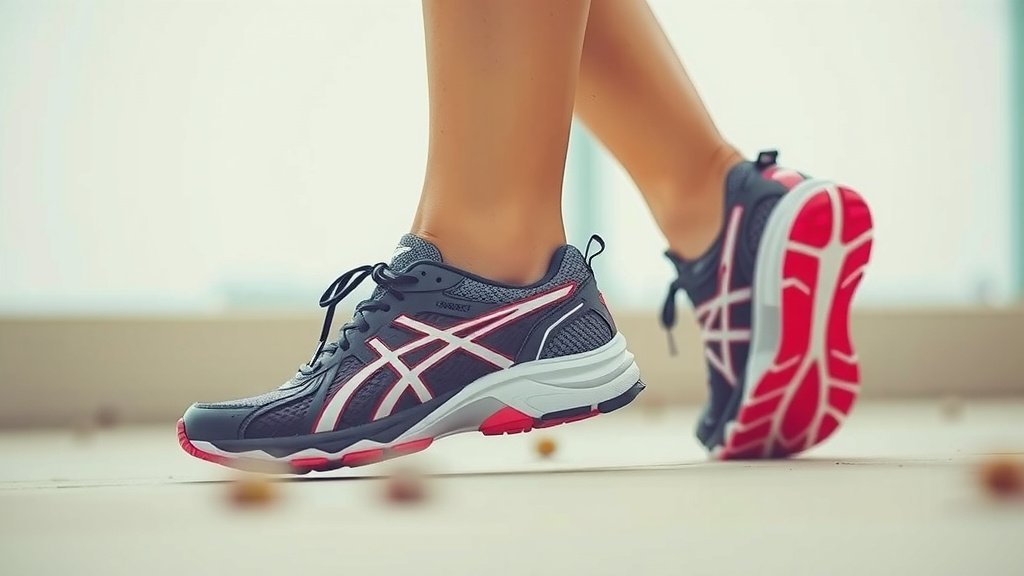
Conclusion
You’ve learned that finding the right running shoes for your flat feet is totally achievable. Prioritizing stability and arch support can make a huge difference in your comfort and injury prevention. Don’t forget the importance of good cushioning to absorb shock. Your feet deserve shoes that work with your unique stride, not against it. The best next step is to visit a specialty running store. There, you can get expert advice and a gait analysis. This will help you find the perfect pair to keep you running happy!
Frequently Asked Questions
Do I really need special shoes for flat feet?
Yes, generally you do. Flat feet can cause your foot to roll inward more than usual, a process called overpronation. Special shoes, often called stability or motion control shoes, are designed to help guide your foot and provide the support you need.
What is the difference between stability and motion control shoes?
Stability shoes offer moderate support for mild to moderate overpronation, common with flat feet. Motion control shoes are more rigid and provide maximum support for severe overpronation or very flat feet. We found stability shoes are often a great starting point for most runners with flat feet.
How do I know if a shoe has good arch support?
You should feel a noticeable contour that supports the natural curve of your arch when you put the shoe on. Some shoes also allow you to add custom orthotics if you need even more personalized support.
Can I still wear neutral running shoes with flat feet?
While some people with flat feet can manage in neutral shoes, it’s generally not recommended. Neutral shoes lack the specific support features needed to control overpronation and can potentially lead to discomfort or injury for your feet.
How often should I replace my running shoes for flat feet?
Most experts recommend replacing running shoes every 300-500 miles, or when you notice signs of wear. For shoes with specific support features, this wear can impact their effectiveness more quickly. Keep an eye on the cushioning and tread.