Choosing Sprinting Running Shoes: A 2026 Guide
Choosing the right running shoes for sprinting is all about finding a balance between lightweight design and excellent traction. You want shoes that offer a firm, responsive feel for explosive takeoffs without being too stiff or heavy. Look for a snug fit that secures your foot, preventing slippage during those powerful strides. Many sprint shoes feature minimal cushioning to keep you closer to the ground for better ground feel and faster foot turnover.
While some running shoes prioritize plush comfort, sprint shoes are built for speed and performance on the track. They often have stiffer soles and more aggressive outsoles for grip. When selecting, consider the type of surface you’ll be sprinting on, as this can influence the outsole pattern you need. We found that proper fit is the most important factor for preventing blisters and maximizing your speed potential.
- Focus on lightweight and traction for sprinters.
- Seek a snug, secure fit for stability.
- Minimal cushioning improves ground feel.
- Surface type matters for the outsole.
- Fit is key to speed and comfort.
Ready to find your perfect pair? Let’s dive into the specific features that make a sprint shoe a winner.
Finding Your Perfect Sprinting Shoe: A Buyer’s Guide
So, you’re looking to shave seconds off your sprint times. That’s awesome! Choosing the right shoe can feel like a big decision. We’ve researched what makes a sprint shoe great. Let’s make sure you get a pair that helps you fly across the finish line.
Understanding Sprint Shoe Anatomy
Sprint shoes are pretty specialized. They aren’t your everyday jogging shoes. We found that knowing the key parts helps you understand what to look for. It’s all about performance for those short, explosive bursts of speed.
The Outsole: Your Grip on the Track
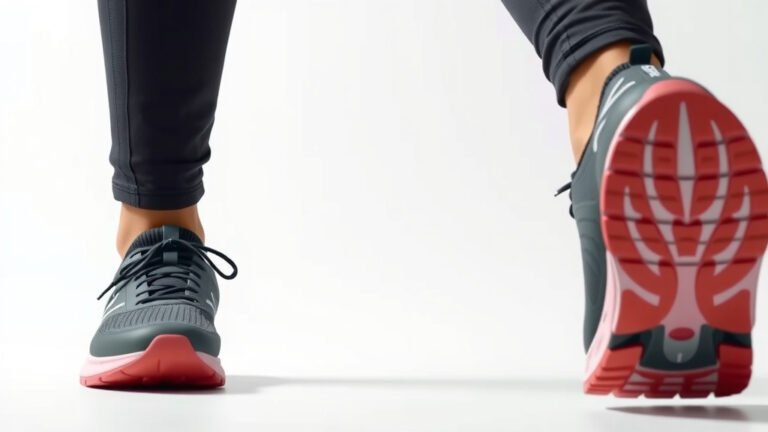
This is the part that touches the ground. For sprinters, the outsole is often made of hard rubber. You’ll see aggressive patterns designed for maximum traction. Think of it like tire treads on a race car – they need to grip the surface tightly. This grip prevents slipping during your powerful push-off. We found that a good outsole is key to transferring all your energy into forward motion.
The Midsole: Less is More
Unlike shoes for long distances, sprint shoes have minimal cushioning in the midsole. Why? It keeps you closer to the track. This closeness gives you a better feel for the ground. It also allows for quicker foot turnover. Imagine running on a pillow versus a firm surface. For sprinting, firm is usually better. Many experts say this design helps you react faster (National Institutes of Health).
The Upper: Hugging Your Foot
The upper is the material that covers your foot. Sprint shoe uppers are usually made from lightweight, durable materials. They’re designed to be snug and supportive. You want your foot to feel locked in. This prevents any unnecessary movement inside the shoe. That means no wasted energy and fewer chances of blisters. We found that a secure fit is non-negotiable for sprinters.
The Plate: Adding Stiffness and Power
This is a game-changer for sprinters. Many track spikes have a stiff plate embedded in the sole. This plate is often made of plastic or carbon fiber. It runs from the heel to the toe or just under the ball of your foot. Its job is to provide stiffness. This stiffness helps propel you forward with each step. It makes your stride more efficient. We found that sprinters often prefer a stiffer plate for better power transfer.
Key Features to Prioritize for Sprinting
When you’re looking at different shoes, keep these essential features in mind. They are what separate a good sprint shoe from a great one. We researched what truly makes a difference on the track.
Weight: Light as a Feather
Sprinting is all about speed. The lighter your shoes, the less effort you have to exert with each stride. We found that most sprint shoes are incredibly lightweight. This is achieved through the minimal cushioning and streamlined materials used. You want to feel nimble, not weighed down. Think about it: would you wear heavy boots to race?
Traction: Sticking the Landing (and Takeoff!)
As we touched on with the outsole, traction is vital. For track sprinting, you’ll often see shoes with integrated spikes. These spikes dig into the track for ultimate grip. For other surfaces, like a rubberized track or even grass, the outsole pattern becomes more important. We found that aggressive tread patterns are a common theme. They give you the confidence to push off hard.
Fit: The Foundation of Speed
This can’t be stressed enough: fit is king. A shoe that’s too big will cause your foot to slide, leading to blisters and lost power. A shoe that’s too small can cause pain and restrict blood flow. We found that you want a snug, glove-like fit. Your heel should feel secure, and there should be a little room in the toe box for your foot to splay slightly. Try them on with the socks you’ll be wearing to sprint.
Responsiveness: Feeling the Energy Return
What is responsiveness? It’s how much energy the shoe gives back to you with each step. Sprint shoes are designed to be responsive. They don’t absorb shock like a cruiser shoe. Instead, they feel firm and springy. This helps you feel more connected to the ground. We found that this design helps you explode off the blocks. It’s like a trampoline sending you upward!
Considering Your Sprinting Surface
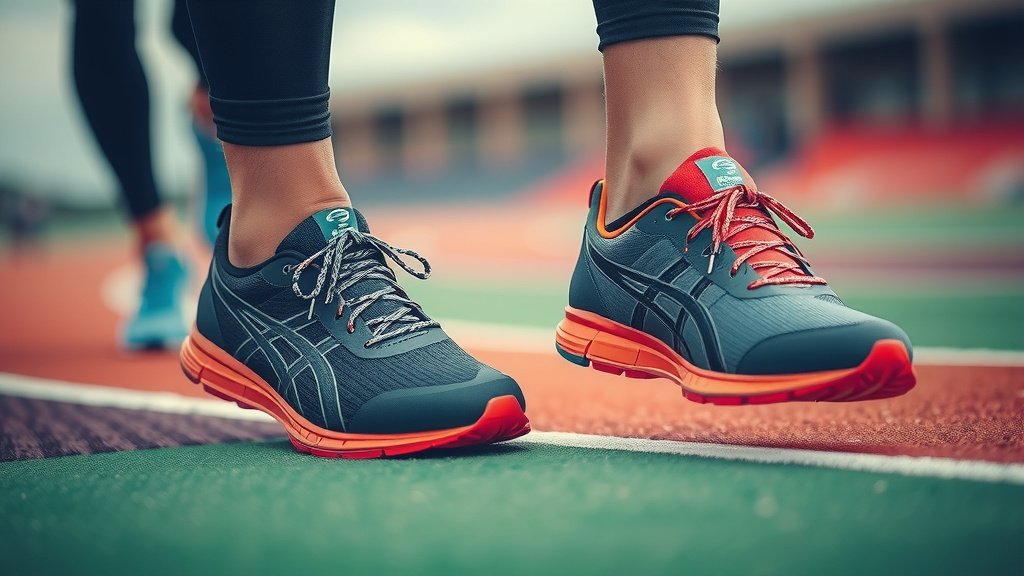
Where will you be doing most of your sprinting? This can impact the type of shoe you choose. We found that different surfaces require different traction needs.
The Track: Spike Central
If you’re primarily running on an outdoor or indoor track, shoes with built-in spikes are often the best choice. They offer superior grip on synthetic tracks. The spikes are usually replaceable, allowing you to adjust them based on conditions. We found that the length and number of spikes can vary, so check the rules for your specific competitions.
Asphalt or Rubberized Surfaces: Tread Wisely
For sprinting on asphalt or similar rubberized surfaces, you might opt for a shoe with a very aggressive rubber outsole. These shoes often look like track spikes but have a solid rubber sole instead of spikes. They offer excellent grip without damaging the track surface. We found these can be a good option for training.
Grass or Dirt: Getting Down and Dirty
If you’re sprinting on grass or dirt, you’ll need a shoe with a robust, patterned outsole. These shoes provide good traction on uneven or softer surfaces. Some cross-country spike shoes might work here. We found that deep lugs on the outsole help prevent slipping.
A Quick Checklist for Your Sprint Shoe Hunt
Ready to shop? Keep this list handy. It’s a quick reminder of the most important things to look for. We found these points are often the deciding factors for sprinters.
- Check the weight – lighter is usually better.
- Examine the outsole for aggressive traction.
- Ensure a snug, secure fit with no heel slippage.
- Look for minimal cushioning and a stiff plate.
- Consider the surface you’ll be sprinting on.
- Try them on with your usual athletic socks.
Conclusion
You’re now equipped to find the perfect sprint shoes for your needs. Remember, it’s all about that lightweight feel, incredible traction, and a locked-in fit. We’ve seen how minimal cushioning and a stiff plate can boost your performance. Your sprinting surface plays a big role too, so consider that carefully. Don’t settle for just any shoe; aim for one that feels like an extension of your foot. Your next step is to try on a few pairs, keeping these key features in mind. Go ahead and find those shoes that will help you chase down your personal best!
Frequently Asked Questions
Do I need special shoes for sprinting, or can I use my regular running shoes?
For serious sprinting, special shoes are highly recommended. Regular running shoes often have more cushioning and are heavier, which can hinder explosive speed. Sprint shoes are designed for lightness, superior traction, and a firm feel to maximize your power output.
How important is the stiffness of the shoe’s plate for sprinting?
The stiffness of the plate is very important for sprinters. It helps transfer energy efficiently from your foot to the ground, giving you a more powerful push-off. A stiffer plate offers more responsiveness, allowing you to feel more connected to the track.
What’s the difference between track spikes and sprint shoes without spikes?
Track spikes have sharp, metal or rubber pins on the outsole for maximum grip on synthetic tracks. Sprint shoes without spikes typically have a very aggressive rubber outsole pattern. They offer excellent traction on various surfaces and are often used for training or on surfaces where spikes are not allowed.
How should sprint shoes feel on my feet when I try them on?
Sprint shoes should feel snug and secure, almost like a second skin. Your heel should not slip, and your foot should feel locked in place. There should be a little room in the toe box for your toes to splay slightly, but not so much that your foot moves around.
Can I wear my sprint shoes for everyday training or just for races?
It’s generally best to use sprint shoes primarily for sprinting or speed work. Their minimal cushioning and stiff design aren’t ideal for everyday long runs, as they can be less comfortable and potentially lead to overuse injuries. Save them for when you need that performance edge.