
Choosing Marathon Running Shoes: Your Essential Guide
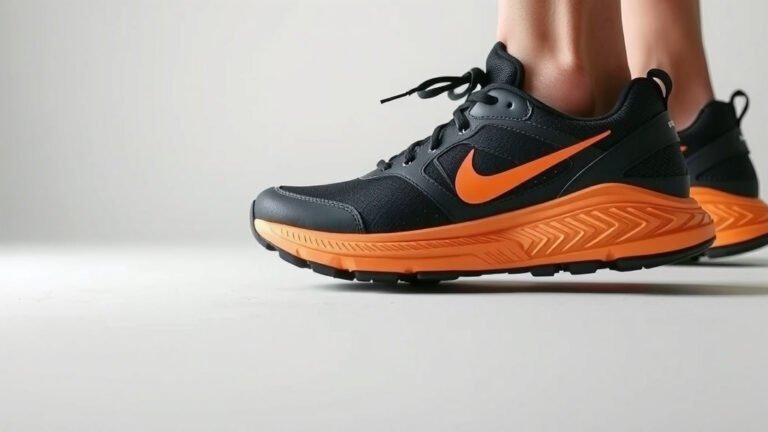
Choosing the right running shoes for your marathon is all about finding a balance between comfort and support. You need shoes that feel great from mile one to mile twenty-six. Look for a shoe with good cushioning and a secure fit. This helps prevent blisters and foot fatigue on your long run.
Your marathon shoes should also match your foot type and running style. We found that understanding if you overpronate or supinate is important. Getting this right means your shoes will work with your body, not against it. A good shoe makes a huge difference in your marathon experience.
- Fit is king for marathon shoes.
- Cushioning protects your feet over many miles.
- Support should match your foot’s natural movement.
- Don’t try new shoes on race day!
Let’s break down exactly how to pick the perfect pair for your marathon journey.
Finding Your Perfect Marathon Shoe Match
Selecting the right running shoes is one of the most important decisions you’ll make for your marathon. Your feet carry you through every mile. They deserve the best possible protection and comfort. We want you to feel confident and supported from start to finish line. Let’s get you fitted for the ideal pair.
Understanding Your Foot Type and Gait
Before you even look at shoe styles, you need to understand your own feet. Many runners overlook this step. It’s like building a house without knowing your foundation type. We’ve found that knowing your arch height and how your foot rolls is key.
Arch Height: High, Normal, or Flat?
Your arch is the spring in your step. It affects how your foot absorbs impact. Here’s a simple way to check:
- Wet your foot completely.
- Step onto a piece of heavy paper or cardboard.
- Step off and look at the imprint.
If you see most of your foot, you likely have flat feet. If you see almost nothing but your heel and the ball of your foot, you might have high arches. A clear imprint of your arch is usually a sign of a normal or medium arch.
Gait Analysis: Pronation Explained
Pronation is your foot’s natural inward roll when you land. It’s how your body handles shock. We found that understanding your pronation helps choose shoes that correct or complement your natural movement.
Neutral Pronation
Your foot rolls inward a normal amount. This is the most common type. Your shoes should offer a good mix of cushioning and flexibility. You don’t need extra support to correct your stride.
Overpronation
Your foot rolls inward too much. This can happen if you have flat feet. You might need shoes with extra stability. These shoes help control the inward roll and prevent injuries.
Supination (Underpronation)
Your foot doesn’t roll inward enough, or it rolls outward. This is often seen with high arches. You’ll benefit from shoes with plenty of cushioning. They help absorb the shock your foot doesn’t handle on its own.
Key Features to Look For in Marathon Shoes
Once you know your foot type, you can start looking at shoe features. Don’t get swayed by colors or trends. Focus on what your feet need.
Cushioning: Your Comfort Layer
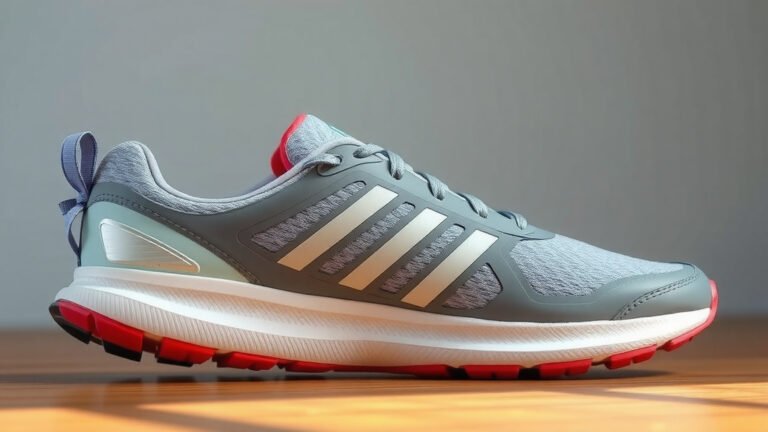
Marathons mean a lot of pounding. Good cushioning acts like a shock absorber for your feet and legs. We found that for marathon distances, ample cushioning is highly recommended. It reduces fatigue and soreness over those 26.2 miles. Look for shoes with responsive foam that springs back.
Support and Stability
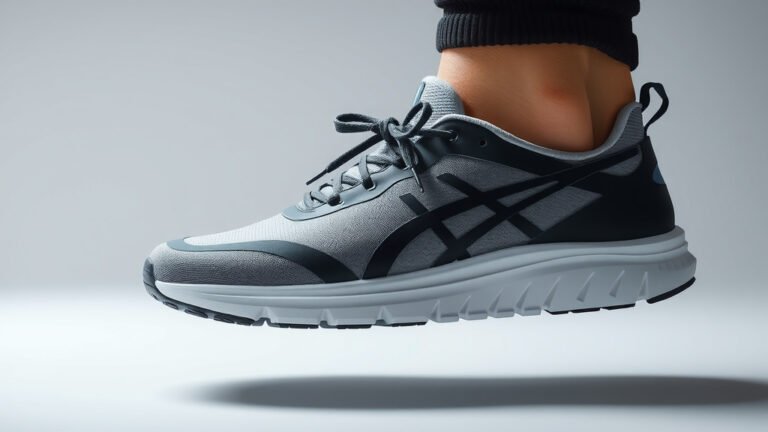
This ties back to your gait analysis. If you overpronate, you’ll want shoes labeled as “stability”. These often have guide rails or denser foam on the inner side. If you have a neutral gait or supinate, “neutral” shoes will be your best bet. They offer balanced support.
Fit and Feel: The Most Important Factor
A shoe can have all the best features, but if it doesn’t fit, it’s useless. Your shoes should feel snug but not tight. There should be about a thumb’s width of space between your longest toe and the end of the shoe. We found that many runners buy shoes too small.
The Thumb Rule
When you try on shoes, wiggle your toes. They should have room to spread out. Your heel should feel secure, with no slipping. Try them on at the end of the day when your feet are slightly swollen. This mimics how they’ll feel after running.
When to Buy and How to Break Them In
Timing is everything when it comes to new running shoes. You wouldn’t want to run your marathon in shoes you just laced up.
The “Don’t Buy New” Rule
We found that many runners make the mistake of buying shoes too close to race day. The golden rule is to get your marathon shoes at least 4-6 weeks before your race. This gives you plenty of time to break them in.
Breaking In Your Marathon Shoes
Start by wearing them for short runs. Gradually increase the mileage. This allows your feet to adjust. It also helps you spot any potential issues before they become a problem on race day. Think of it as getting to know your new running partner.

Where to Get the Best Advice
The best place to find your perfect marathon shoes is a specialty running store. Staff there are trained to perform gait analysis and recommend shoes based on your needs. They’ll watch you walk and run. They’ll ask about your training and your goals. This personalized approach is incredibly helpful.
Quick Checklist for Your Shoe Hunt
Here’s a quick reminder of what to focus on:
- Know Your Arch: Flat, normal, or high?
- Understand Your Gait: Do you overpronate, supinate, or have a neutral stride?
- Prioritize Cushioning: Especially for long distances like a marathon.
- Check the Fit: Snug heel, room for toes. Try them on later in the day.
- Buy Early: Give yourself at least 4-6 weeks to break them in before race day.
- Seek Expert Help: Visit a specialty running store for a gait analysis.
Conclusion
Choosing the right marathon shoes is a journey that puts your comfort and performance first. By understanding your unique foot type and gait, and prioritizing key features like cushioning and fit, you’re setting yourself up for success. Remember, consistent wear before race day is essential for breaking in your new partners. Don’t rush this process; let your feet get acquainted with their new home for the miles ahead. Your next step is to visit a specialty running store to get that expert analysis and find the pair that feels like it was made just for you.
Frequently Asked Questions
How much room should I have in my marathon running shoes?
You should have about a thumb’s width of space between your longest toe and the front of the shoe. This allows your feet to swell slightly during the marathon without causing discomfort or blisters. Your toes should also be able to wiggle freely.
Can I use my regular running shoes for a marathon?
You can, as long as they are the right type for your foot and gait and are not worn out. However, for the specific demands of a marathon, many runners benefit from shoes with extra cushioning and support tailored for long distances. It’s often wise to get a fresh pair specifically for the race.
What if I have flat feet? What kind of support do I need?
If you have flat feet, you likely overpronate. We found that you’ll generally need shoes with stability features. These shoes often have a firmer midsole on the inside to help control the excessive inward roll of your foot and provide better support.
Is it okay to try on running shoes with my normal socks?
No, it’s best to wear the type of socks you plan to run in. Marathon running socks can be thicker or have different materials than everyday socks. Using them during your fitting ensures you get an accurate sense of the shoe’s fit and feel.
Should I buy my marathon shoes online or in a store?
While online shopping is convenient, we highly recommend buying your marathon shoes from a specialty running store. The staff there can perform a gait analysis and recommend shoes specific to your foot type and running style, which is critical for marathon success.