Running Shoes for Back Pain: Your Ultimate Guide
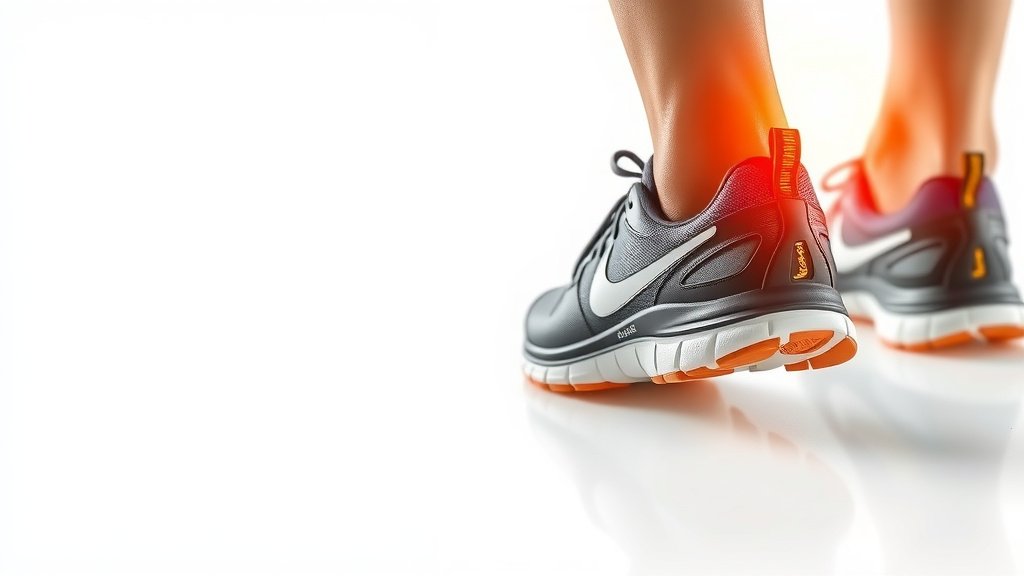
Choosing the right running shoes can make a big difference if you’re dealing with back pain. Look for shoes that offer excellent cushioning and support to absorb impact. This helps reduce the stress that travels up your spine with every step. Proper shoes can be a key part of managing discomfort while staying active.
When back pain is a concern, shoe choice matters more than you might think. We found that the right footwear can improve your posture and running form. This means less strain on your back and a more enjoyable run. Don’t let foot comfort be an afterthought; it’s connected to your whole body.
- Focus on cushioning to absorb shock.
- Prioritize arch support for stability.
- Consider neutral or stability shoes based on your foot type.
- Replace worn-out shoes to maintain effectiveness.
- Consult a professional if pain persists.
Let’s get you on the path to finding shoes that feel great and help soothe that back pain. Below, we’ll break down exactly what to look for and how to pick the perfect pair for your needs.
Finding the Right Running Shoes for Your Back Pain
When you’re dealing with back pain, choosing the right running shoes is more than just about comfort; it’s about protecting your spine. The impact from each stride can travel all the way up your back. So, you need shoes that can help absorb that shock effectively. We found that the right cushioning and support can make a real difference in reducing discomfort.
Understanding How Shoes Affect Your Back
Think of your shoes as the first line of defense against jarring impacts. When you run, your feet hit the ground with force. If your shoes don’t handle this well, that force can transfer to your ankles, knees, hips, and eventually your lower back. This repeated stress can worsen existing back pain or even lead to new issues. Many experts suggest that proper footwear can help align your body and improve your running form (Mayo Clinic).
Key Features to Look For
So, what exactly should you be looking for in a running shoe when your back is barking? It boils down to a few core components that work together to protect you.
Cushioning: Your Shock Absorber
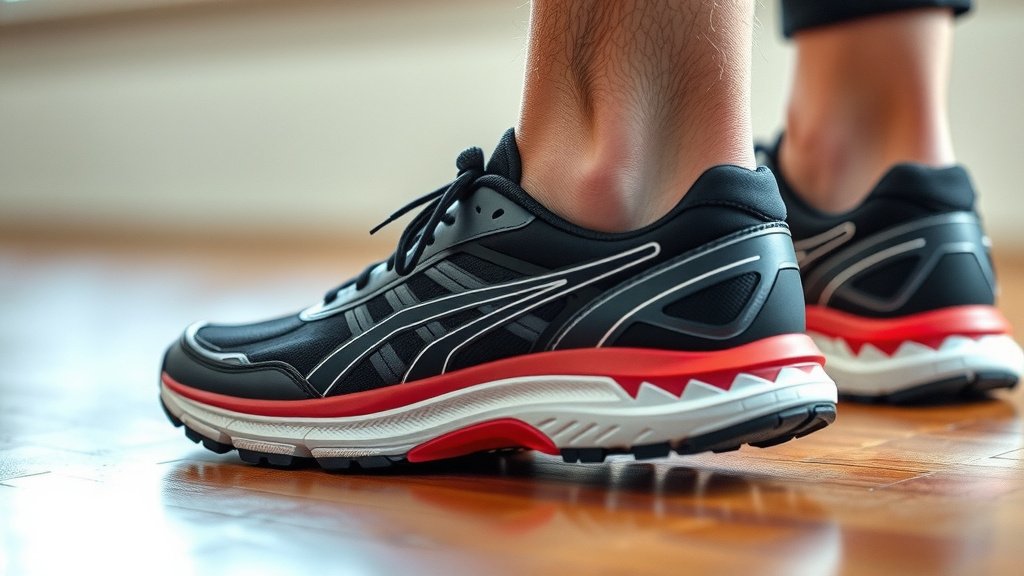
This is probably the most important feature. Good cushioning in the midsole of the shoe acts like a tiny trampoline. It helps soften the blow of each step, reducing the force that reaches your back. We found that shoes with ample cushioning provide a more comfortable ride, especially on harder surfaces like pavement. Look for descriptions like “plush,” “soft ride,” or “responsive cushioning.”
Support: Keeping Things Stable
Beyond just softness, you need support. This means the shoe helps keep your foot in a stable, neutral position as you run. This prevents your foot from rolling too far inward (overpronation) or outward (supination). Overpronation can cause your arch to collapse, leading to uneven stress distribution up your legs and back. Proper support helps maintain a balanced gait.
Fit: It Has to Be Just Right
A shoe that’s too tight can cause foot pain, which can alter your stride and affect your back. A shoe that’s too loose can lead to blisters and instability. You need a shoe that fits your foot snugly but comfortably. There should be about a thumb’s width of space between your longest toe and the end of the shoe. Your heel should feel secure, and the midfoot should feel hugged, not squeezed.
Types of Running Shoes for Back Pain Sufferers
Not all running shoes are created equal, especially when you have specific needs like back pain relief. The category of shoe you need often depends on your foot’s natural arch and how it moves when you run.
Neutral Shoes
These shoes offer cushioning but minimal motion control. They are generally best for people with high arches or those who have a neutral pronation. If your foot rolls inward just enough to absorb shock naturally, a neutral shoe can work well. They allow your foot to move naturally while still providing that all-important cushioning.
Stability Shoes
These shoes offer more support features to help control pronation. They often have denser foam or plastic inserts on the inner side of the midsole. We found that stability shoes can be a great choice for individuals with flat feet or those who overpronate. By guiding your foot into a more neutral position, they can help reduce the stress on your back.
Motion Control Shoes
These are the most rigid and supportive shoes. They are designed for severe overpronation. While they offer maximum support, they can sometimes feel stiff. Many people with back pain may find that stability shoes offer a better balance of support and comfort. It’s rare that someone with back pain would need motion control unless advised by a podiatrist.
How to Determine Your Foot Type and Pronation
Knowing your foot type is key to picking the right shoe. It doesn’t require a fancy lab; you can do a simple test at home.
The Wet Test for Arch Type
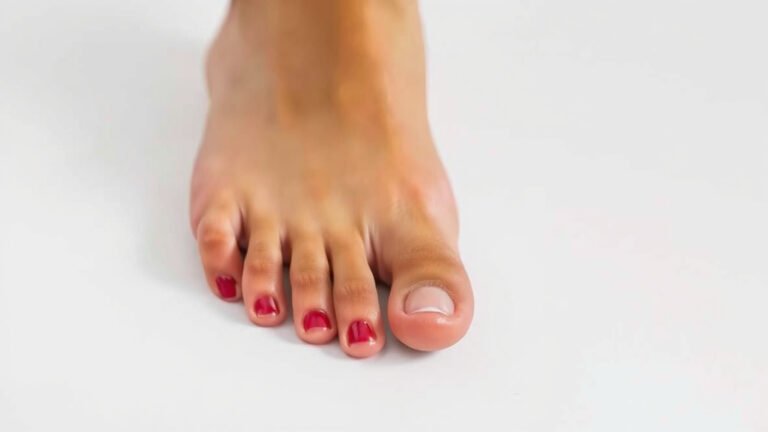
Get your feet wet and step onto a piece of paper or a dry surface. Look at the imprint your foot leaves. A full imprint means you likely have flat feet. A print with a very thin or no connection between the heel and the toes suggests a high arch. A print with a clear curve, showing about half of your arch, indicates a normal arch.
Observing Your Old Shoes
Check the wear pattern on a pair of old running shoes. If the soles are worn mostly on the inside edge, you likely overpronate. Even wear across the sole suggests a neutral gait. Wear on the outside edge can indicate supination.
The Importance of a Proper Fit and Professional Help
Even the “best” shoe for back pain won’t help if it doesn’t fit you correctly. Many specialty running stores offer gait analysis and expert fitting advice. They can watch you walk or run and help you find shoes that match your foot type and biomechanics. We found this professional guidance to be incredibly useful for runners experiencing pain.
If you have persistent or severe back pain, it’s always a good idea to consult with a healthcare professional. A doctor, physical therapist, or podiatrist can help diagnose the cause of your pain and provide tailored recommendations. They might even suggest specific types of shoes or orthotics to address your needs.
When to Replace Your Running Shoes
Running shoes don’t last forever. The cushioning and support they provide degrade over time, even if the shoes look okay on the outside. We found that most running shoes last between 300 to 500 miles. If you’re running regularly, this might be only a few months. Worn-out shoes lose their ability to absorb shock, which can put more strain on your back.
Your Checklist for Choosing Shoes for Back Pain
- Check your arch type using the wet test.
- Examine the wear on old shoes for pronation clues.
- Prioritize cushioning for shock absorption.
- Look for adequate support to maintain stability.
- Ensure a snug, comfortable fit with space for toes.
- Consider a gait analysis at a running store if unsure.
Conclusion
You’ve learned that choosing running shoes for back pain is about smart choices for your body. Prioritizing cushioning and support can significantly reduce impact. Understanding your foot type and ensuring a proper fit are equally important steps. Don’t underestimate the impact of worn-out shoes; replace them to maintain protection. Take this knowledge with you on your next shoe shopping trip. Your back will thank you for making an informed decision to keep you running comfortably and pain-free.
Frequently Asked Questions
Can running shoes actually help my back pain?
Yes, the right running shoes can definitely help manage back pain. By providing excellent cushioning, they absorb shock from each step, reducing stress on your spine. Proper support also helps maintain good alignment, which can lessen strain on your back.
How do I know if I need neutral or stability shoes?
You can determine this by looking at your foot’s arch and how your old shoes are worn. If you have a normal arch and your old shoes show even wear, you likely need neutral shoes. If you have flatter feet or see wear on the inner edge of old shoes, stability shoes might be better for you.
Is it okay to wear the same running shoes for walking and running?
While you can, it’s generally best to have separate shoes if you do both activities regularly. Running creates much more impact than walking, so your running shoes need specific cushioning and support designed for that. Using one pair for both might wear them out faster.
How often should I replace my running shoes if I have back pain?
It’s recommended to replace running shoes every 300 to 500 miles, or about every 6 months to a year depending on your mileage. For back pain sufferers, replacing them sooner rather than later is wise, as worn-out shoes lose their protective shock absorption and support.
What if my back pain continues even with new, supportive shoes?
If your back pain persists despite wearing appropriate running shoes, it’s important to seek professional advice. A doctor, physical therapist, or podiatrist can help diagnose the root cause of your pain and recommend further treatments or specific footwear solutions, such as orthotics.