Choose the Right Racing Running Shoes for Peak Performance
Choosing the right running shoes for a race means finding a balance between speed and support. You want shoes that are lightweight enough to help you fly but also offer enough cushioning to protect your feet for the distance. We found that the best racing shoes often have a responsive foam and a snug fit.
Racing shoes are different from your everyday trainers. They are designed for peak performance on race day. Think of them as your secret weapon to shave seconds off your personal best. We know picking the right pair can feel overwhelming, but it’s worth the effort for a faster, more comfortable race experience.
- Look for lightweight, responsive shoes.
- Ensure a snug but not constricting fit.
- Consider the race distance.
- Don’t overlook cushioning for comfort.
- Prioritize what feels best for your stride.
Below, we’ll walk you through exactly how to pick the perfect racing shoes for your next competition.
Picking Your Perfect Racing Shoes
You’ve trained hard, and now it’s time to find the shoes that will help you perform your best on race day. Racing shoes are special. They aren’t your everyday trainers. We found that the right pair can make a real difference. They are built for speed. They also need to keep you comfortable for the entire race distance.
Understanding Racing Shoe Types
Not all racing shoes are created equal. They often fall into a few main categories. Knowing these will help you narrow down your choices.
The Lightweight Racer
These are your sprinters. Think of them as pure speed machines. They offer minimal cushioning. The focus is on being incredibly light. We found they are often best for shorter races. This includes 5Ks and 10Ks. You might sacrifice some shock absorption. But you gain a faster, more direct feel with the ground.
The Performance Trainer (or “Tempo Shoe”)
This category is a bit of a hybrid. They offer more cushioning than a pure racer. But they are still lighter and more responsive than your daily trainers. Many runners find these ideal for longer races. This includes half-marathons and marathons. We found they strike a great balance. You get support and some protection. You also get a lively feel to keep you moving.
The Super Shoe Revolution
You’ve probably heard about these. Super shoes feature a thick slab of highly responsive foam. Many also include a carbon fiber plate. This plate acts like a spring. It helps propel you forward. Research suggests these shoes can improve running economy. This means you use less energy at a given pace (Frontiers in Sports and Active Living). We found they can feel a bit bulky at first. But the energy return is noticeable. They are a big investment. But many serious runners swear by them for personal bests.
Key Features to Consider
Once you know the types, let’s look at what makes a good racing shoe tick.
Weight Matters (A Lot!)
This is probably the most critical factor for racing. Lighter shoes mean less energy expenditure. You’re not lugging extra weight with every stride. We found that most racing shoes aim to be under 8 ounces. Some even come in closer to 5-6 ounces. For a marathon, every ounce can feel like a pound after mile 20. So, prioritize lightness.
Cushioning: Not Too Much, Not Too Little
This is where it gets personal. Too little cushioning can lead to foot fatigue. It can also increase impact on your joints over long distances. Too much cushioning can make the shoe feel mushy. It might also add unnecessary weight. Many modern racing shoes use specialized foams. These foams are both light and very bouncy. We found that a good racing shoe offers enough cushioning. It protects your feet without feeling sluggish.
Responsiveness: The “Pop” Factor
Responsiveness refers to how much energy the shoe returns to you. Think of it like a trampoline. A responsive shoe bounces back. It helps you push off the ground with more power. This is different from just being soft. We found that responsive foams and plates contribute to this. It can help you maintain pace with less effort. It’s like getting a little boost with every step.
Fit: Snug is King, But Not Too Tight
This is crucial. Your racing shoes should feel secure. You don’t want your foot sliding around. A snug heel and midfoot are ideal. This prevents blisters. However, you need a little room in the toe box. Your feet swell during longer runs. Many experts suggest about a thumb’s width of space. We found that a shoe that’s too tight can cause pain. It can also lead to lost toenails. So, aim for a snug embrace, not a vise grip.
Upper Material: Breathability is Key
The upper is the part of the shoe that wraps your foot. For racing, you want it to be breathable. This helps keep your feet cool. Cool feet sweat less. Less sweat means fewer blisters. Many racing shoes use thin, engineered mesh. This material is lightweight and allows air to flow freely. We found this makes a big difference, especially in warm weather.
Your Race Distance Matters
The type of race you’re running should guide your shoe choice. What works for a 5K might not be ideal for a marathon.
Short Distances (5K to 10K)
For shorter races, you can often get away with very minimal shoes. Lightweight racers are great here. You don’t need a ton of cushioning. Speed is the absolute priority. We found that ultra-light shoes feel nimble. They allow you to feel quick off the ground.
Middle Distances (Half Marathon)
A half marathon is a sweet spot. You need some cushioning for comfort. But you still want to feel fast. Performance trainers or a “super shoe” often work best. We found these shoes offer a good blend of speed and support. You can maintain a quick pace without beating up your feet too much.
Long Distances (Marathon and Ultra)
For marathons and ultras, cushioning is your friend. Your feet take a pounding over many miles. We found that shoes with ample, responsive cushioning are essential. This helps absorb impact. It also reduces fatigue. Many marathoners opt for super shoes. They offer the best combination of protection and energy return.
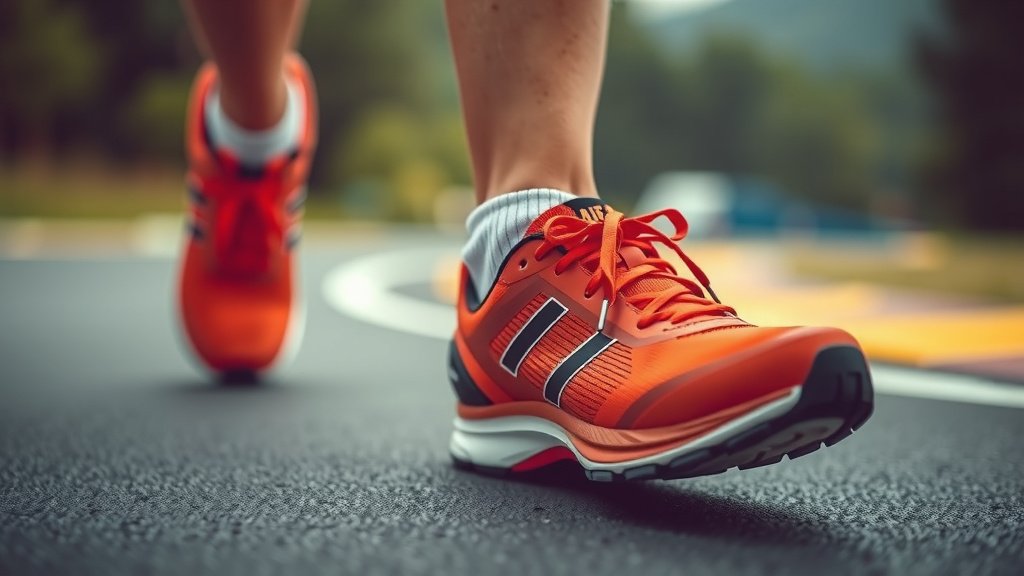
Testing Your Potential Race Shoes
Don’t buy racing shoes online without trying them first. Here’s how we suggest testing them out.
The “Feel” Test
When you first slip them on, how do they feel? They should feel comfortable. There shouldn’t be any pinching or rubbing. Walk around in them. Do they feel stable? Do they feel light on your feet?
The “Test Run” Strategy
Once you’ve got a few pairs in mind, take them for a spin. Go for a few short runs. Try to replicate race pace if possible. Pay attention to how your feet feel afterward. We found that running in them is the best way to know. A shoe that feels great in the store might not perform on the road.
Consider a Break-In Period (Sometimes!)
While many modern racing shoes require little to no break-in, some might benefit. If a shoe feels slightly stiff, try a few more shorter runs. This can help mold it to your foot. However, if it feels truly uncomfortable, it’s probably not the shoe for you.
Your Personal Checklist for Race Day Shoes
Here’s a quick rundown of what to keep in mind:
- Lightweight feel? Check.
- Snug, secure fit? Check.
- Enough cushioning for your race distance? Check.
- Responsive and energetic feel? Check.
- Comfortable on a test run? Check.
- Breathable upper? Check.
Conclusion
You’ve done the training, and now it’s time for race day. Choosing the right racing shoes is a key step. Remember, you’re looking for a blend of lightness and responsiveness. Consider your race distance. A marathon demands more cushioning than a 5K. Always prioritize how the shoe feels on your foot. A comfortable, secure fit will boost your confidence. Test your shoes before race day. Your perfect pair awaits to help you achieve your personal best!
Frequently Asked Questions
Should I wear my usual running shoes for a race?
Generally, no. Racing shoes are specifically designed for speed. They are typically lighter and more responsive than your everyday trainers. While your usual shoes offer great support for training, a dedicated racing shoe can help you perform better on race day.
Can I use “super shoes” for shorter races like a 5K?
You can, but it might not be optimal. Super shoes with carbon plates are fantastic for longer distances because their energy return helps conserve energy over many miles. For a short, fast 5K, a lighter, more minimalist racing flat might feel nimbler and more appropriate.
How much toe room should I have in racing shoes?
Aim for about a thumb’s width of space between your longest toe and the end of the shoe. Your feet swell during a race, especially longer ones. Too little space can lead to discomfort, blisters, or even lost toenails, so it’s better to have a little extra room.
Do I need to break in racing shoes?
Most modern racing shoes require very little break-in time, if any. They are designed to feel good right out of the box. However, if a shoe feels slightly stiff, a few short runs might help it mold to your foot. If it feels truly uncomfortable, it’s probably not the right shoe for you.
What’s the main difference between a performance trainer and a lightweight racer?
A performance trainer, also known as a tempo shoe, offers a bit more cushioning and support than a lightweight racer. They are still lighter than daily trainers but provide enough comfort for longer distances like half marathons. Lightweight racers are more minimalist, prioritizing maximum speed and a direct ground feel, making them ideal for shorter races.