Understanding Pronation: What It Is & Why It Matters
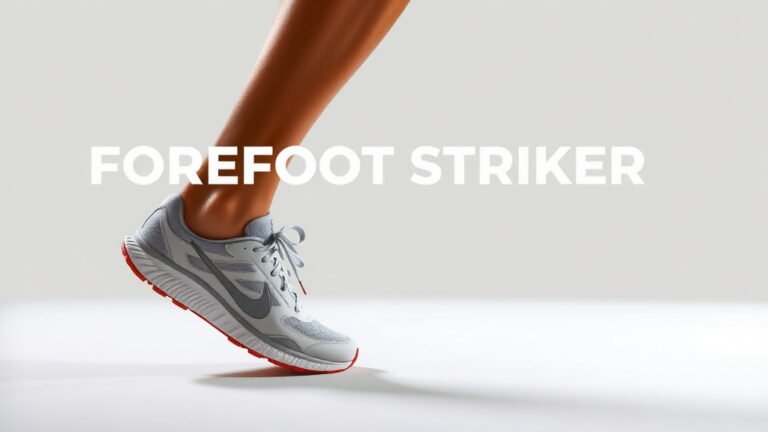
Pronation is the natural inward rolling motion of your foot as it strikes the ground. It’s a normal part of your stride that helps absorb shock. When you walk or run, your foot naturally rolls inward to flatten your arch. This movement is essential for shock absorption.
Understanding your pronation type can help you choose the right footwear. Overpronation means your foot rolls inward too much. Supination, or underpronation, means your foot doesn’t roll inward enough. Both can lead to discomfort or even injury over time.
- Pronation is your foot’s natural inward roll when walking.
- It helps your body absorb shock as you move.
- Too much (overpronation) or too little (supination) can cause issues.
- Knowing your pronation helps pick the right shoes.
Let’s break down what pronation is and how it affects your body. We’ll look at the different types and why they matter for your feet and overall comfort.
Understanding Your Foot’s Natural Roll
Pronation is your foot’s natural way of handling impact. It’s a healthy movement that happens every time you take a step. Think of it like your foot’s built-in shock absorber. When you land, your foot rolls inward slightly. This helps cushion your stride.
This inward roll is a crucial part of how your body moves efficiently. It allows your bones and joints to absorb the forces from walking or running. Without it, your body would take a much harder hit. This could lead to problems elsewhere.
The Biomechanics of Pronation
Your foot has a complex structure. It’s made up of many bones, muscles, and ligaments. These work together to support your body’s weight. Pronation is one of the key movements this structure performs.
When you walk, your foot lands on its outer edge. Then, it begins to roll inward. This is pronation. Your arch flattens out a bit. This action distributes pressure evenly. It also helps you push off the ground.
What Happens During Pronation
Imagine your foot as a spring. As it hits the ground, it compresses. Pronation is the controlled compression. It allows the foot to absorb shock. This shock absorption protects your ankles, knees, and hips. It keeps these joints healthy and functional.
The ankle joint also plays a role. It everts (rolls outward) slightly during pronation. This helps the foot adapt to uneven surfaces. It keeps you stable as you move. It’s a well-coordinated dance of many parts.
The Three Main Types of Foot Pronation
Pronation isn’t a one-size-fits-all deal. We generally talk about three main patterns. Each one affects your body a little differently. Knowing which pattern describes your foot can be very helpful.
We’ve identified these patterns through research and observation. They help us understand how different feet handle impact. Let’s look at them closely.
Neutral Pronation: The Goldilocks Zone
This is what many consider the ideal scenario. Neutral pronation means your foot rolls inward just the right amount. It’s not too much and not too little. Your arch supports your weight effectively.
When you walk or run, your foot lands on the outside. It then rolls inward about 15%. This movement spreads the impact evenly. Your push-off is efficient. People with neutral pronation usually have fewer foot-related issues.
Overpronation: Too Much of a Good Thing
This is when your foot rolls inward excessively. Your arch may collapse too much. This happens as your foot tries to absorb more shock than needed. Overpronation is common in people with flat feet. Their arches are already low.
When your foot overpronates, the impact isn’t distributed well. This can put extra stress on your feet. It can also affect your ankles, shins, and knees. You might feel pain or discomfort after activity.
Supination (Underpronation): Not Rolling Enough
Supination, or underpronation, is the opposite of overpronation. Your foot doesn’t roll inward enough. Or it might even roll outward slightly. The outer edge of your foot often bears most of the impact. Your arch may be very high.
With supination, your foot doesn’t absorb shock well. This can lead to jarring impacts. These impacts travel up your leg. This can cause pain in your shins, knees, or hips. It also makes you more prone to certain injuries.
How to Identify Your Pronation Type
You might be wondering, “Which one am I?” The good news is, there are a few ways to find out. You don’t always need a fancy test. Simple observations can give you a good idea.
The Wet Footprint Test
This is a classic method. It’s easy to do at home. You’ll need some water and a flat surface like concrete or thick paper.
- Wet the bottom of your foot.
- Step firmly onto the paper or surface.
- Lift your foot and examine the imprint.
A normal arch will show about half your foot. An overpronated foot often leaves a nearly complete footprint. A supinated foot will show mostly your heel and the ball of your foot. You’ll see a very thin line connecting them, if anything.
Checking Your Shoe Wear Pattern
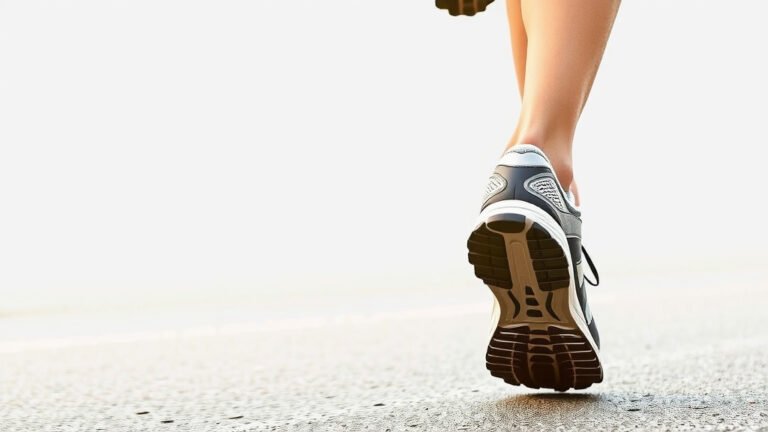
Your shoes can tell a story about your feet. Look at the soles of your well-worn shoes. They show where you put the most pressure. This is a great indicator of pronation.
We found that wear patterns are quite revealing. They are a consistent sign of how your feet move.
| Pronation Type | Typical Shoe Wear Pattern |
|---|---|
| Neutral Pronation | Even wear across the heel and ball of the foot. A slight outward tilt. |
| Overpronation | Excessive wear on the inside edge of the heel and under the big toe. |
| Supination (Underpronation) | Heavy wear on the outside edge of the sole. Little wear on the inside. |
Look at Your Feet When Standing
Another quick check involves looking at your feet. Stand naturally and have someone observe your ankles. Or look in a mirror.
- Neutral Pronation: Your ankle should look relatively straight. Your bones should align well.
- Overpronation: Your ankle may appear to roll inward. Your heel bone might tilt outwards.
- Supination: Your ankle might seem to bow outward. Your heel bone may tilt inwards.
These visual cues can help confirm what your shoes or footprints suggest. Remember, these are general guidelines.

Why Pronation Type Matters for Your Body
Understanding your pronation is more than just foot trivia. It directly impacts your comfort and physical health. Different pronation types can lead to different types of strain on your body.
When your feet don’t move as they should, it’s like a domino effect. The misalignment travels up your kinetic chain. This means your knees, hips, and even your back can be affected. This is why addressing it is important.
Common Issues Linked to Overpronation
People who overpronate often experience certain aches and pains. The excessive inward roll can strain muscles and ligaments. This is a common finding in biomechanics studies.
- Shin splints: Pain along the shinbone.
- Plantar fasciitis: Heel pain, especially in the morning.
- Knee pain: Often felt on the inside of the knee.
- Bunions: A bony bump on the side of your big toe.
- Achilles tendinitis: Pain in the back of your ankle.
These issues arise because the foot isn’t handling impact efficiently. The body is compensating.
Common Issues Linked to Supination (Underpronation)
Those with supination face their own set of challenges. The lack of inward roll means less shock absorption. This can lead to different kinds of stress.
- Ankle sprains: Due to instability.
- Stress fractures: Small cracks in the bones from repeated impact.
- IT band syndrome: Pain along the outside of the thigh.
- Knee pain: Often felt on the outside of the knee.
- Hip pain: Due to altered gait mechanics.
The repetitive, jarring motion can take a toll. It’s like walking on a trampoline all day.
Taking the Next Steps for Your Feet
Once you have a better idea of your pronation type, you can take steps. These steps aim to support your feet. They can help reduce strain and prevent future problems. It’s about giving your feet the right kind of help.
Here’s a simple checklist:
- Identify your pronation type. (Wet test, shoe wear, visual check).
- Choose supportive footwear. (Different shoes for different needs).
- Consider orthotics if needed. (Custom or over-the-counter inserts).
- Strengthen your feet and ankles. (Exercises can help).
- Listen to your body. (Don’t push through pain).
- Consult a professional. (Podiatrists offer expert advice).
Your feet do a lot for you. Taking a little time to understand them can make a big difference. It’s an investment in your overall well-being and comfort.
Conclusion
You’ve learned that pronation is your foot’s natural inward roll, acting as a key shock absorber. Understanding if you neutral pronate, overpronate, or supinate is vital. It helps you pick the right shoes and understand potential aches. Don’t let discomfort hold you back. Your next step is simple: take a moment to check your feet using the methods we discussed. This small action can pave the way for more comfortable movement and better overall health. Your feet deserve that care!
Frequently Asked Questions
Can I fix my pronation type?
You can’t change your natural foot structure, but you can manage its effects. Choosing supportive footwear and considering orthotics can help correct alignment and provide better shock absorption. Strengthening exercises also play a role in supporting your foot mechanics.
How do I know if my running shoes are wrong for my pronation?
If you experience pain in your feet, ankles, shins, or knees after running, your shoes might be contributing to the problem. Look for excessive wear patterns on your shoes that match overpronation or supination. Trying on shoes designed for your specific pronation type can make a big difference.
Is overpronation always a bad thing?
While overpronation means your foot rolls inward more than ideal, it’s not automatically “bad.” Many people overpronate without issues. Problems typically arise when this motion leads to strain, pain, or injury because the body isn’t compensating effectively.
What is the difference between pronation and supination?
Pronation is the natural inward roll of your foot. Supination, also called underpronation, is the opposite: your foot doesn’t roll inward enough, or it rolls outward. Supination means the outer edges of your feet absorb most of the impact.
Can pronation affect my knees or hips?
Yes, pronation issues can definitely impact your knees and hips. When your feet don’t align properly due to overpronation or supination, it can create a chain reaction up your legs. This misalignment can cause strain and pain in your knees, hips, and even your lower back.