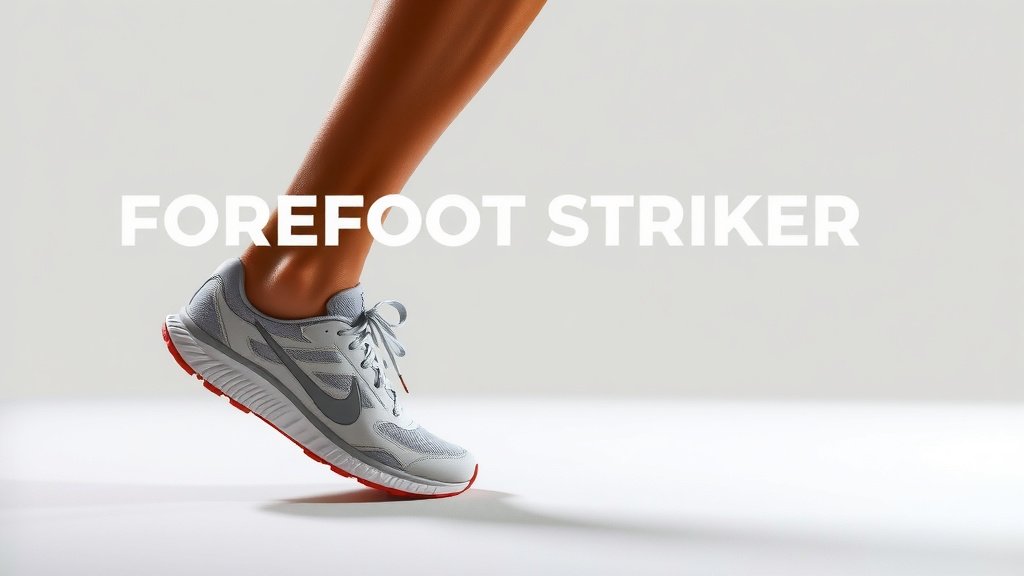
Forefoot Striker Explained: How Your Foot Lands When Running
A forefoot striker is a runner who lands on the ball of their foot, rather than their heel, when their foot hits the ground. This landing style is often called a midfoot or forefoot strike. It’s a natural way many people run, especially without much thought to it.
Understanding your foot strike can help improve your running form and potentially reduce injuries. Many runners are curious about forefoot striking, wondering if it’s better for them. It’s a common topic among runners aiming for more efficient and comfortable miles. We’ve looked into what makes this running style unique.
- Forefoot striking means landing on the ball of your foot.
- It’s different from heel striking.
- Many runners do this naturally.
- It can affect your running form and comfort.
- Research shows it can impact your stride.
So, what exactly is a forefoot striker, and should you care about your foot strike? Let’s break down the details to help you understand your own running mechanics better.
“`htmlUnderstanding How You Strike Your Foot When Running
Have you ever thought about how your foot hits the ground when you run? Most people don’t. They just run. But for many runners, the way their foot lands is a natural part of their gait. Landing on the ball of your foot is a common running style. It’s called forefoot striking. Let’s dig into what that really means for your running.
What Defines a Forefoot Striker?
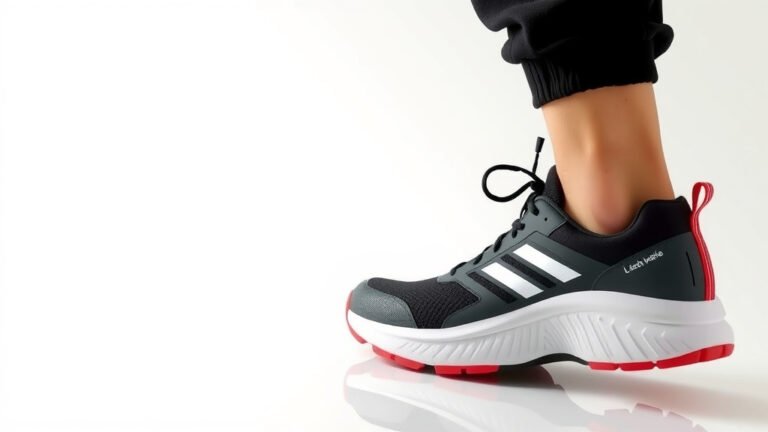
A forefoot striker is someone who lands on the front part of their foot. This is usually the ball of the foot, right behind your toes. When your foot comes down, this area makes contact with the ground first. It’s different from a heel striker. A heel striker lands on their heel first. Think of it like a ballet dancer’s pointe shoe versus a heavy boot. One is designed for the front, the other for the heel.
Many runners naturally adopt this style. It often happens without them even realizing it. Some research suggests it might be a more instinctive way to run. Especially for those who are lighter on their feet or have a quicker cadence. It’s not necessarily better or worse, just different.
Forefoot Striking vs. Heel Striking: The Key Differences
The main distinction lies in the point of initial ground contact. For forefoot strikers, it’s the ball of the foot. For heel strikers, it’s the heel. This difference affects how your body absorbs impact. It also influences your stride length and overall running mechanics.
Impact Absorption
When you land on your forefoot, your Achilles tendon and calf muscles act like a spring. They absorb much of the impact. This can feel very different from landing on your heel. Heel striking often involves a stiffer leg and a direct impact to the heel bone. Many biomechanical studies have shown that forefoot striking can lead to lower impact forces felt higher up the leg. This might reduce stress on your knees and hips.
Stride and Cadence
Forefoot strikers often have a higher cadence. This means they take more steps per minute. Their stride tends to be shorter and quicker. This can lead to a more efficient-feeling run for some. Heel strikers might have a longer stride. They might also have a lower cadence, taking fewer steps per minute. The goal for many runners is to find a cadence that feels natural and efficient for them.
Muscles Involved
Forefoot striking engages your calf muscles and Achilles tendon more directly. These muscles work harder to absorb shock and propel you forward. It can also lead to more activation of your foot muscles themselves. Heel striking tends to rely more on the larger muscles of your legs, like your quads and hamstrings, for shock absorption and propulsion. Some runners find this a more comfortable distribution of effort.
Is Forefoot Striking Better for You?
This is the million-dollar question for many runners. There’s no single answer that fits everyone. What works best often depends on your body type, running history, and individual biomechanics. Many experts suggest that focusing on a natural, comfortable stride is more important than forcing a specific foot strike. Trying to change your natural gait too drastically can sometimes lead to new injuries.
We found that research on the topic is mixed. Some studies suggest that forefoot striking can reduce the risk of certain injuries, particularly those related to impact shock like shin splints or stress fractures in the lower leg. Other research indicates that it might increase the risk of other issues, like calf strains or Achilles tendinitis, especially if you’re not accustomed to it. It’s a bit of a trade-off.
Potential Benefits of Forefoot Striking
Runners who forefoot strike often report a feeling of lightness and speed. Because their feet land beneath their center of gravity, it can feel more efficient. This “landing under you” can reduce braking forces. It allows your body to absorb impact more dynamically.
- May lead to a more efficient stride for some runners.
- Can potentially reduce impact forces on the knees and hips.
- Often associated with a higher running cadence.
- Some runners feel it allows for a quicker turnover and faster pace.
Potential Downsides and Things to Watch Out For
If you’re not used to forefoot striking, trying to adopt it too quickly can cause problems. Your calf muscles and Achilles tendon will be doing more work. This can lead to soreness or even injury if they aren’t conditioned for it. It’s like asking a beginner to lift heavy weights without proper training.
You might experience:
- Calf muscle pain
- Achilles tendon soreness
- Plantar fasciitis
- Increased strain on the metatarsals (the bones in the ball of your foot)
How to Tell If You’re a Forefoot Striker
The easiest way is to pay attention to your body. Does your foot feel like it lands on the ball or the heel first? You can also have someone film you running from the side. Watch the video in slow motion. You’ll clearly see where your foot makes contact.
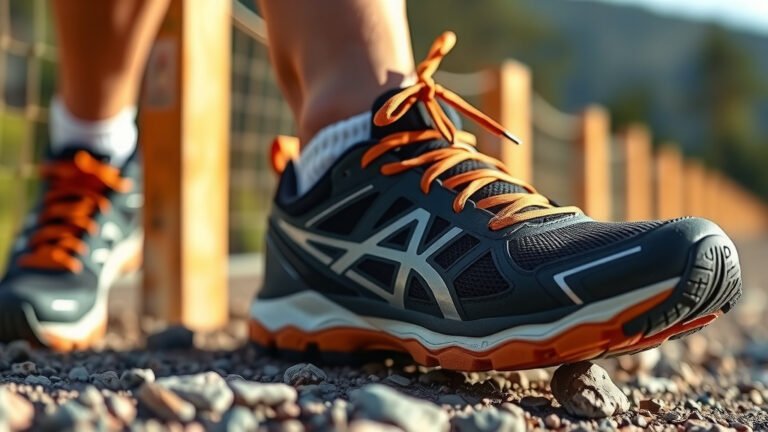
Another simple check involves your shoes. Look at the wear pattern on the soles of your running shoes. If the front part of the sole, especially under the ball of your foot, is heavily worn, you’re likely a forefoot striker. If the heel area shows the most wear, you’re probably a heel striker. Some people might have wear in both areas, indicating a midfoot strike.
When to Consider Your Foot Strike
You don’t need to worry about your foot strike if you’re running comfortably and pain-free. However, if you’re experiencing persistent injuries or feel like your running form could be improved, it might be worth investigating. Many running coaches and physical therapists analyze foot strike as part of a gait analysis.
If you decide to explore changing your foot strike, do it gradually. It’s important to let your body adapt. Small changes over weeks or months are much safer than drastic ones. Focus on feeling your feet land underneath you, rather than reaching out with your heel.
Common Misconceptions About Forefoot Striking
One big myth is that forefoot striking automatically makes you faster and injury-free. As we’ve seen, it comes with its own set of potential issues. Another misconception is that you must actively “force” yourself to land on your forefoot. Often, subtle changes in posture and cadence can naturally encourage a forefoot strike if that’s your natural tendency.
Research from sources like the National Institutes of Health suggests that natural running form, whatever it may be, is often the most sustainable. Trying to mimic another runner’s style without considering your own body’s signals can be counterproductive. It’s about finding what feels right and works for you.
Checking Your Shoe Wear Patterns
Your shoes can tell a story about your running style. A quick look at the bottom of your old running shoes can give you a clue. Heavy wear on the outer edge of the heel often suggests heel striking. Significant wear on the forefoot, particularly under the ball of the foot, points towards forefoot striking. Even wear across the middle of the foot indicates a midfoot strike.
Here’s a simple guide:
| Wear Pattern | Likely Foot Strike | What It Might Mean |
|---|---|---|
| Heavily worn heel | Heel Striker | Landing on your heel first. Common, but can increase impact forces. |
| Heavily worn forefoot (ball of foot) | Forefoot Striker | Landing on the ball of your foot first. Engages calf muscles more. |
| Even wear across the midfoot | Midfoot Striker | Landing on the middle of your foot. A blend of forefoot and heel. |
| Wear on the outer edge of heel/forefoot | Supinator | Foot rolls outward. Might affect stability. |
| Wear on the inner edge of heel/forefoot | Overpronator | Foot rolls inward excessively. Can affect alignment. |
When to Seek Professional Advice
If you’re experiencing persistent pain or are concerned about your running form, consulting a professional is a smart move. A physical therapist or a certified running coach can perform a gait analysis. They can assess your foot strike. They can also identify any biomechanical issues contributing to your problems. They can offer personalized guidance to help you run more efficiently and safely. They might suggest specific exercises or drills.
They can help you understand if forefoot striking is a good fit for your body. Or if making slight adjustments to your current style would be more beneficial. Your running health is important, so don’t hesitate to get expert help.
“`
Conclusion
Understanding whether you’re a forefoot striker is about recognizing your body’s natural rhythm. It’s not about forcing a change, but about awareness. Your foot strike plays a role in how you absorb impact and how efficient your stride feels. While forefoot striking offers potential benefits like a feeling of speed, it also requires your calf muscles and Achilles tendon to work harder. Our research suggests the most effective approach is listening to your body and seeking comfort. If you’re pain-free, embrace your natural gait. If you’re experiencing issues, consider a gradual adjustment and professional guidance.
Your next step? Pay attention to how your feet meet the ground on your next run, and perhaps check those old running shoes for clues!
Frequently Asked Questions
Can changing my foot strike make me faster?
For some runners, a forefoot strike can feel more efficient, potentially leading to quicker turnover and a faster pace. However, research suggests that speed is more about overall running mechanics and conditioning rather than just your foot strike. Focusing too hard on changing your strike can sometimes lead to injuries that slow you down.
How can I tell if I’m accidentally trying to force forefoot striking?
If you suddenly develop calf soreness, Achilles pain, or metatarsal discomfort, you might be forcing it. This often happens when you try to change your strike too quickly without letting your body adapt. Listen for increased pounding sounds, or feel for unnecessary tension in your lower legs.
Is midfoot striking also considered a type of forefoot strike?
Midfoot striking is generally considered distinct from a pure forefoot strike, though they are related. A midfoot strike involves landing on the middle of your foot, whereas a forefoot strike is specifically landing on the ball of your foot. Many runners exhibit characteristics of both, often landing slightly on the ball and then rolling onto the midfoot.
Will running barefoot help me become a forefoot striker?
Running barefoot can encourage a forefoot or midfoot strike because it often feels more natural and less jarring than heel striking on hard surfaces. Your foot’s natural mechanics are more exposed. However, directly transitioning to barefoot running needs caution, as your feet and lower legs will need time to strengthen.
What are the main risks of being a forefoot striker if I’m not used to it?
The primary risks involve increased stress on your calf muscles and Achilles tendon. If they aren’t conditioned for this type of impact and propulsion, you can experience soreness, strains, or even tendinitis. You might also feel increased pressure on the bones in the ball of your foot.